⚠️ Please note that the content here was translated by a large language model.
Day 1 - Osaka
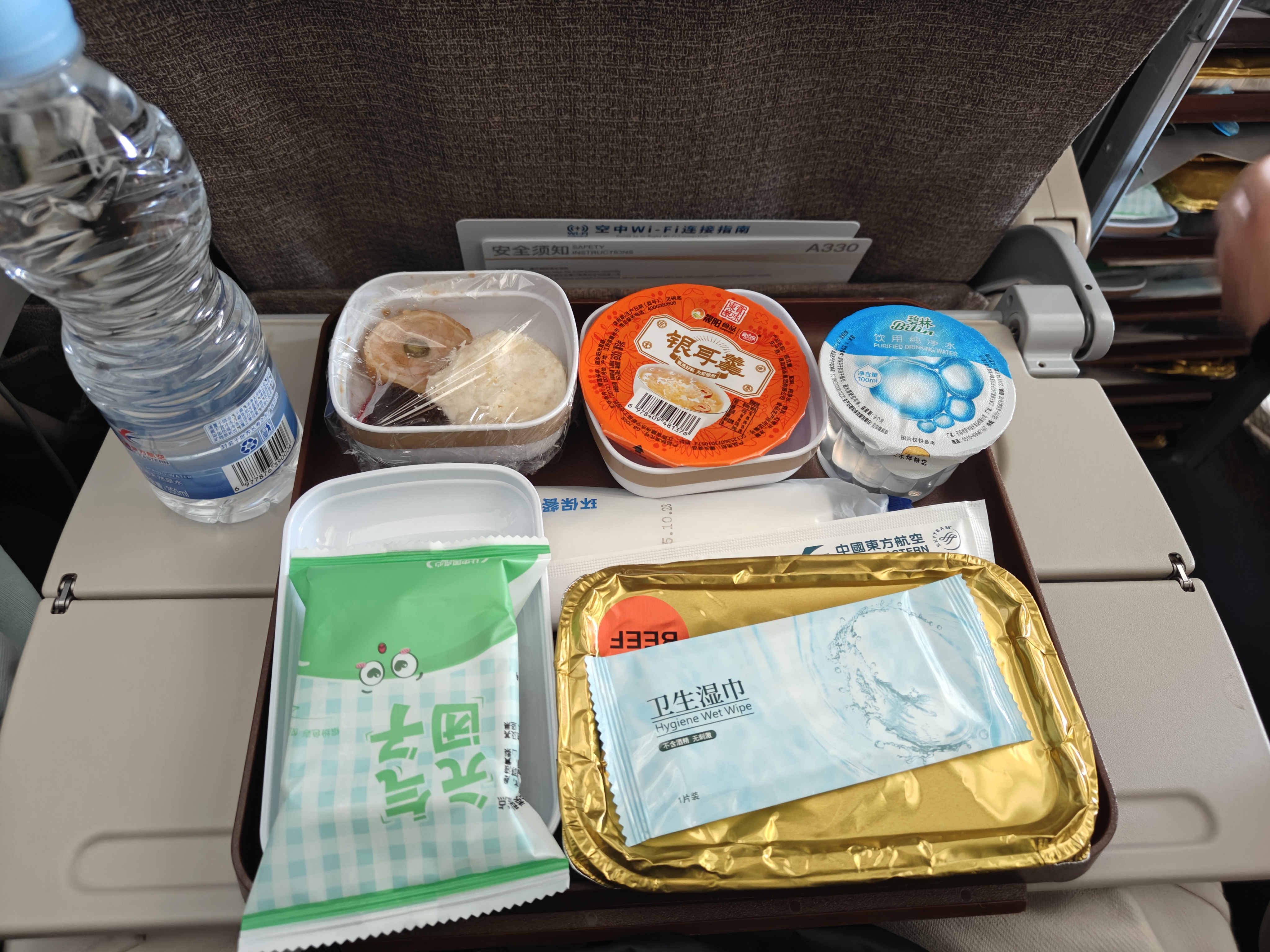
We left very early that day. First, we took a flight departing at 6:30 from Wenzhou Longwan to Shanghai Pudong, then caught a flight at 10:05, arriving at Kansai Airport before 13:30 local time.
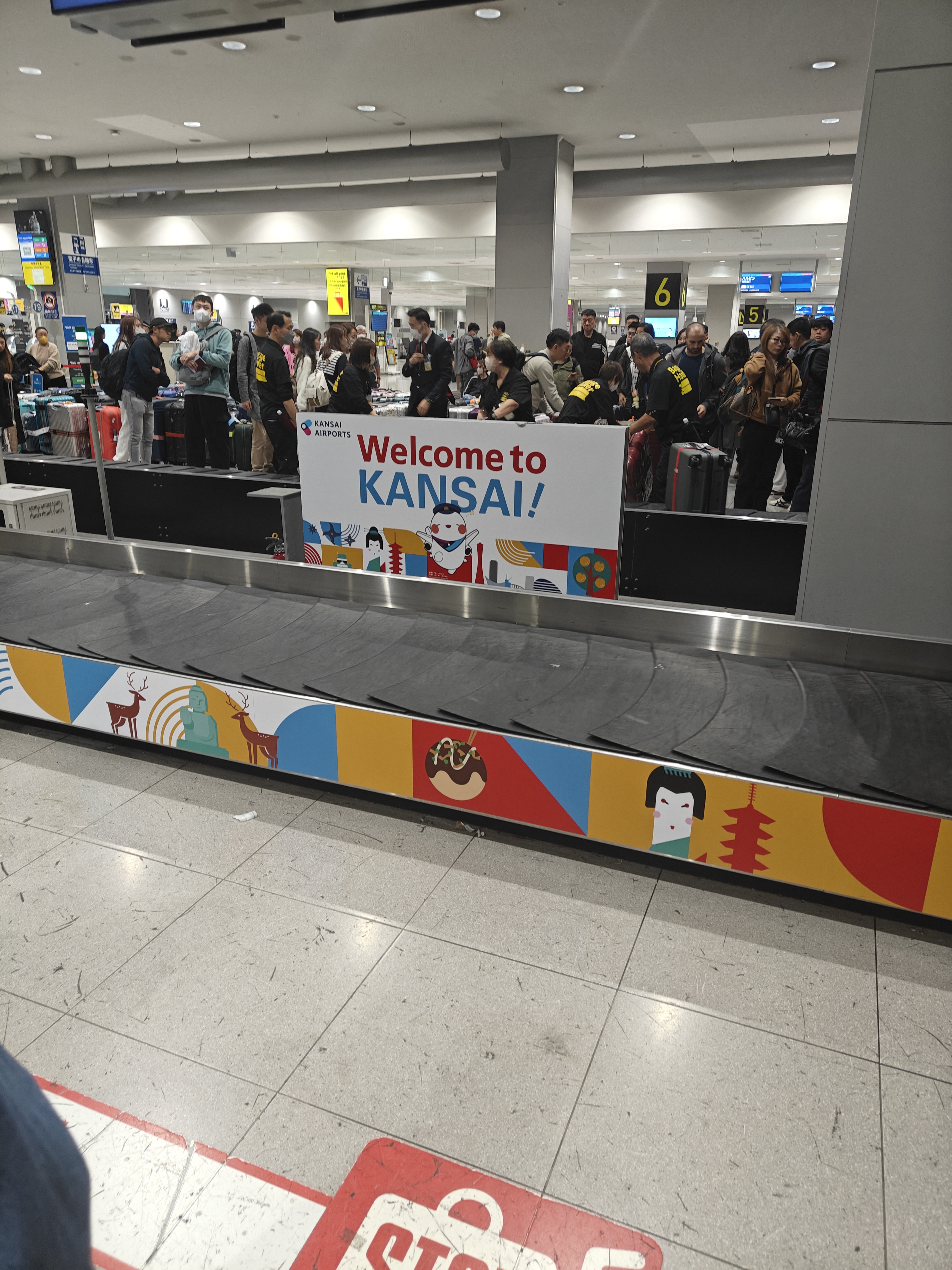
Waiting for the flow SIM card, waiting for checked luggage, exchanging ICOCA cards took up quite some time.
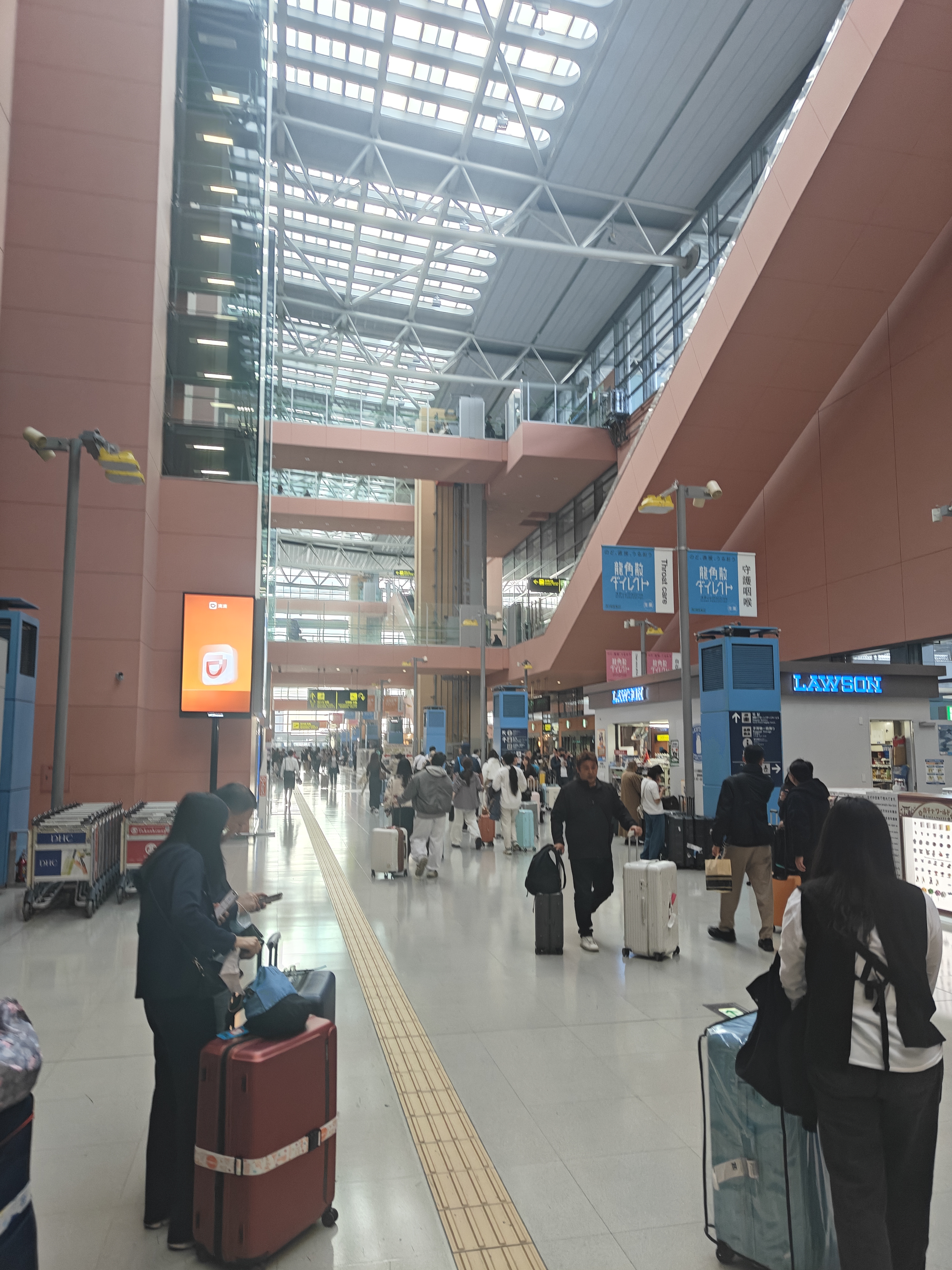
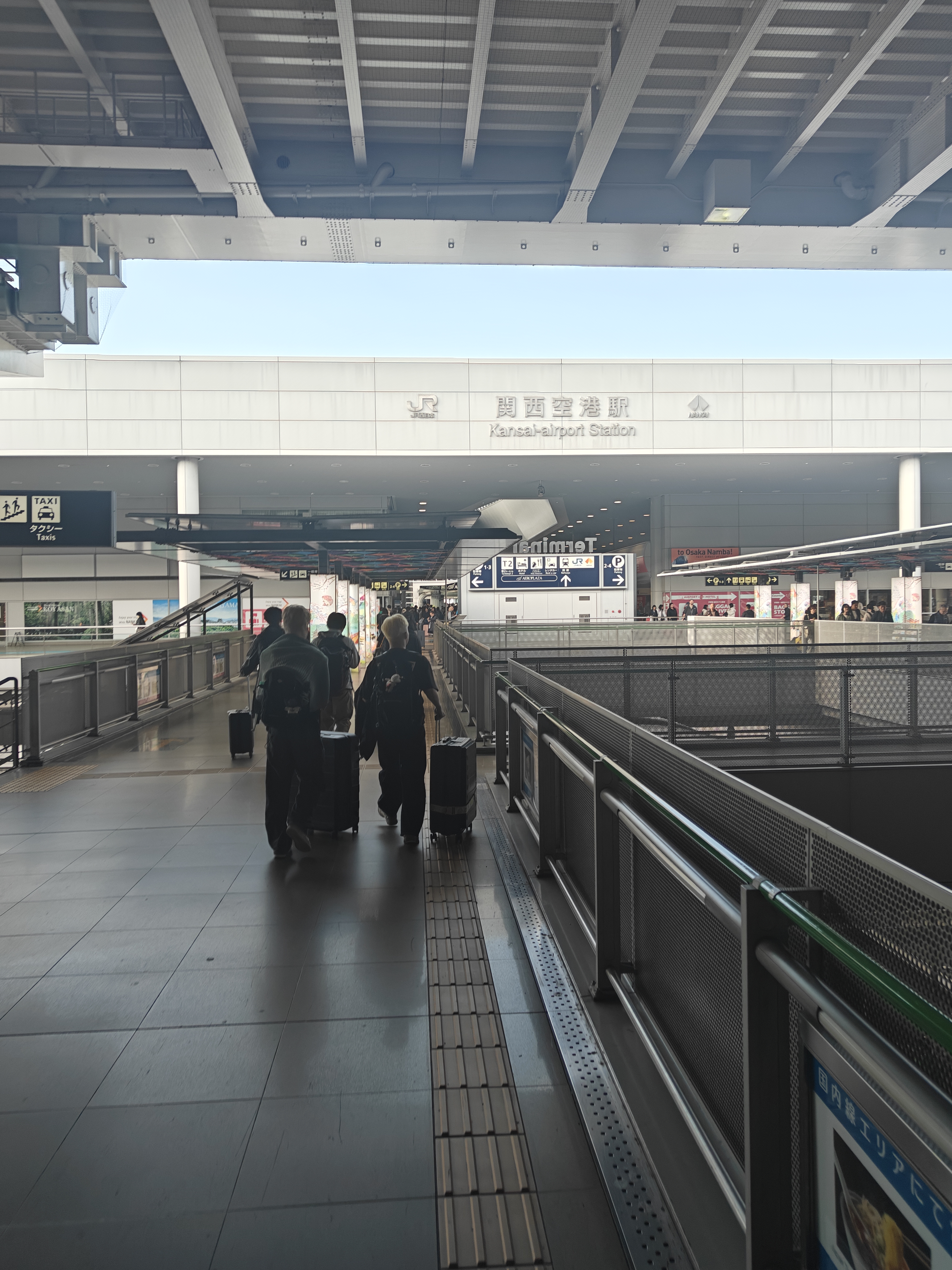
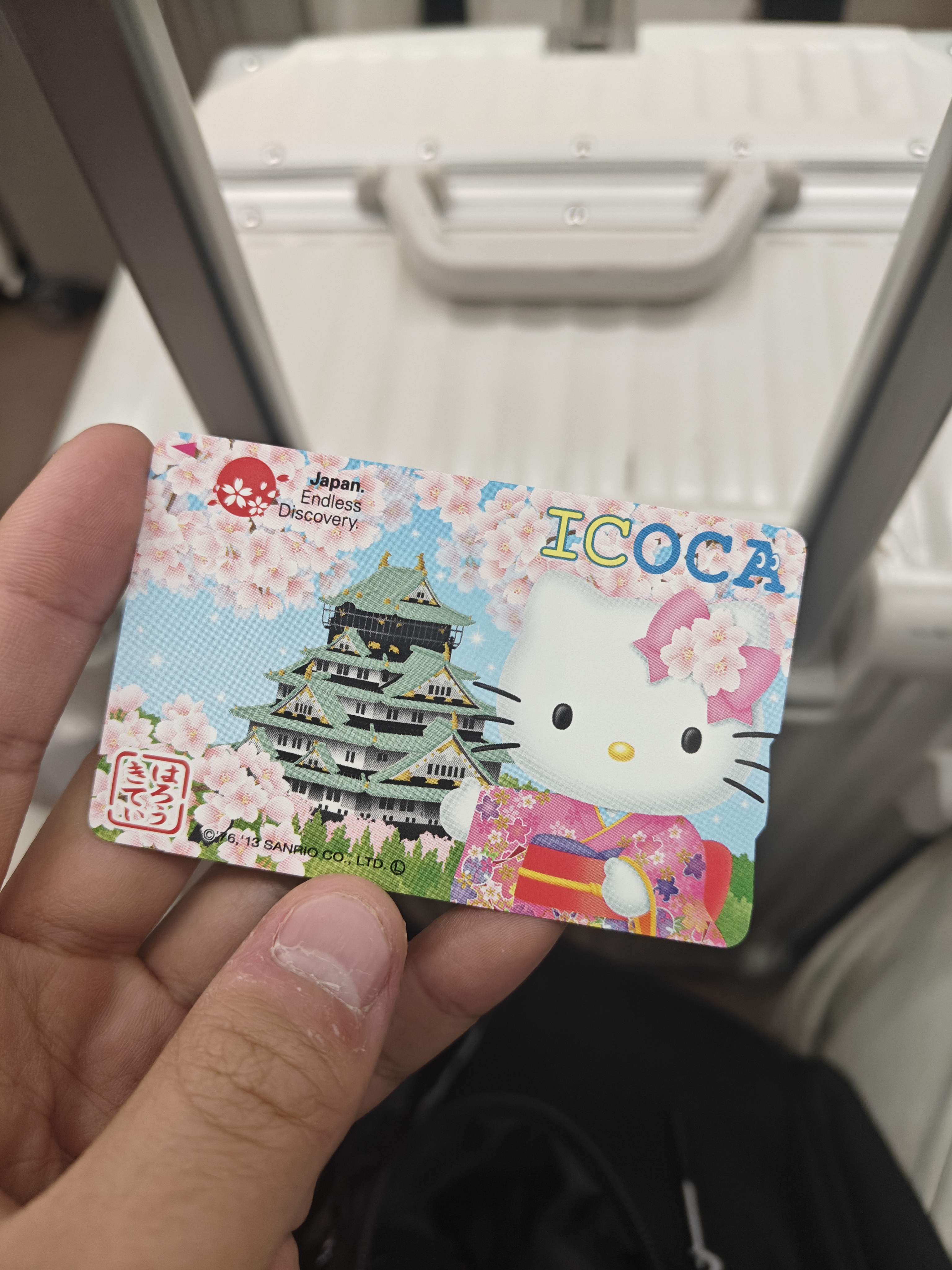
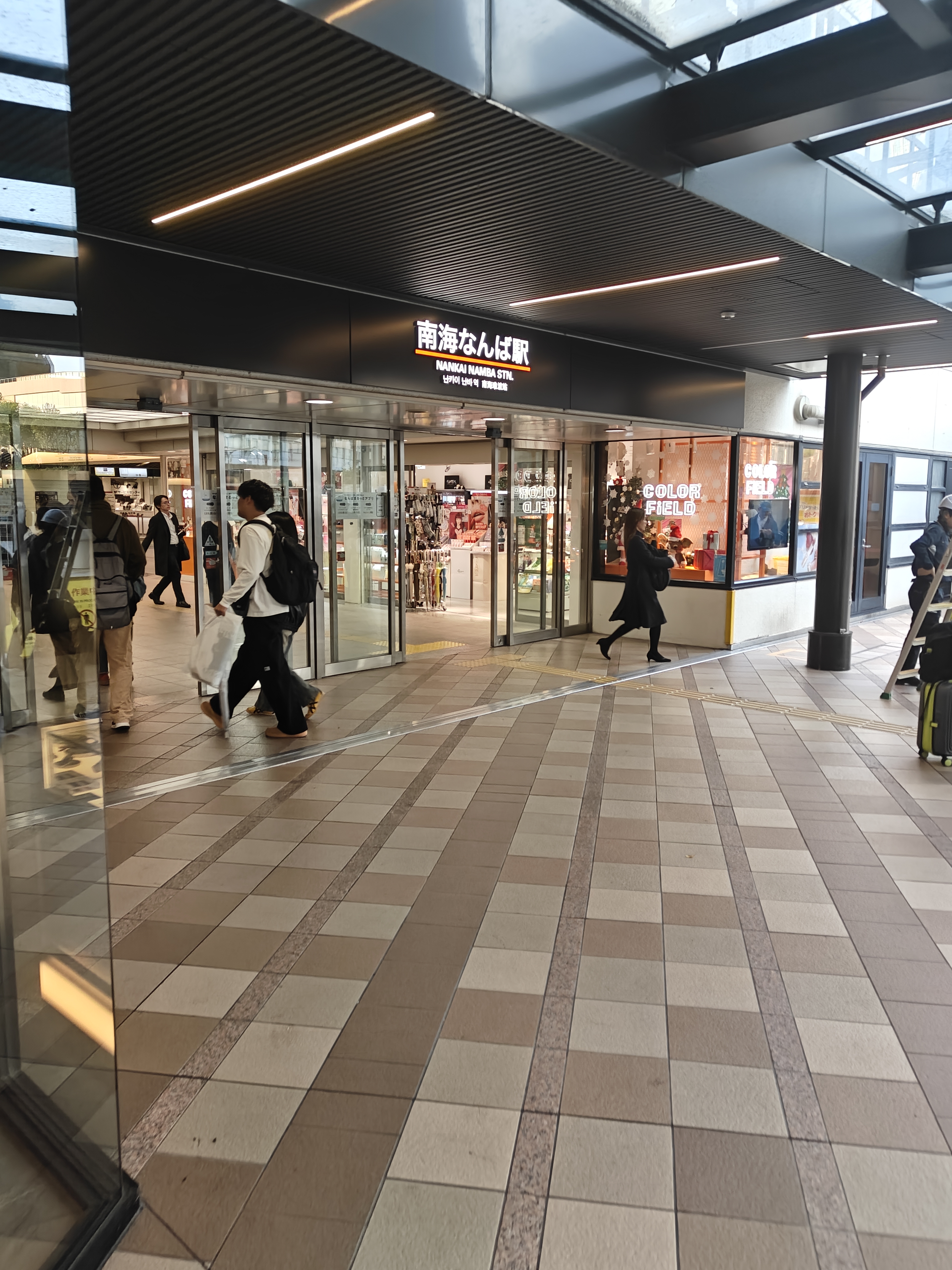
Then took the Nankai Airport Line / Nankai Main Line to Nankai Namba Station, transferred (got lost at Namba Station for a long time) to the Midosuji Line to Honmachi Station, and finally checked into THE BASEMENT HOTEL Osaka Honmachi in the evening. This hotel opened in 2025, has very good reviews, and a great location (Honmachi is close to many famous Osaka attractions, but the downside is frequent transfers).
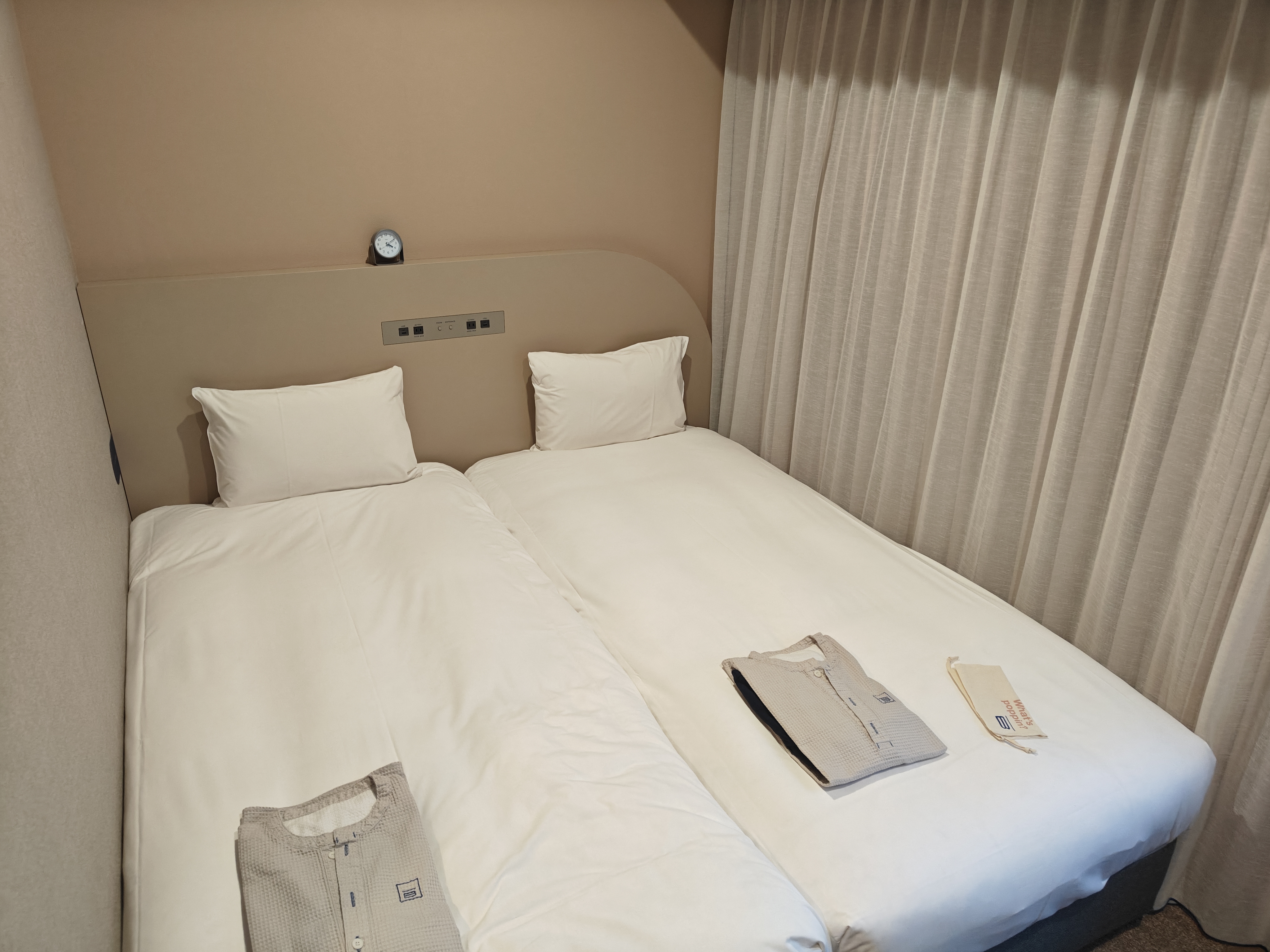
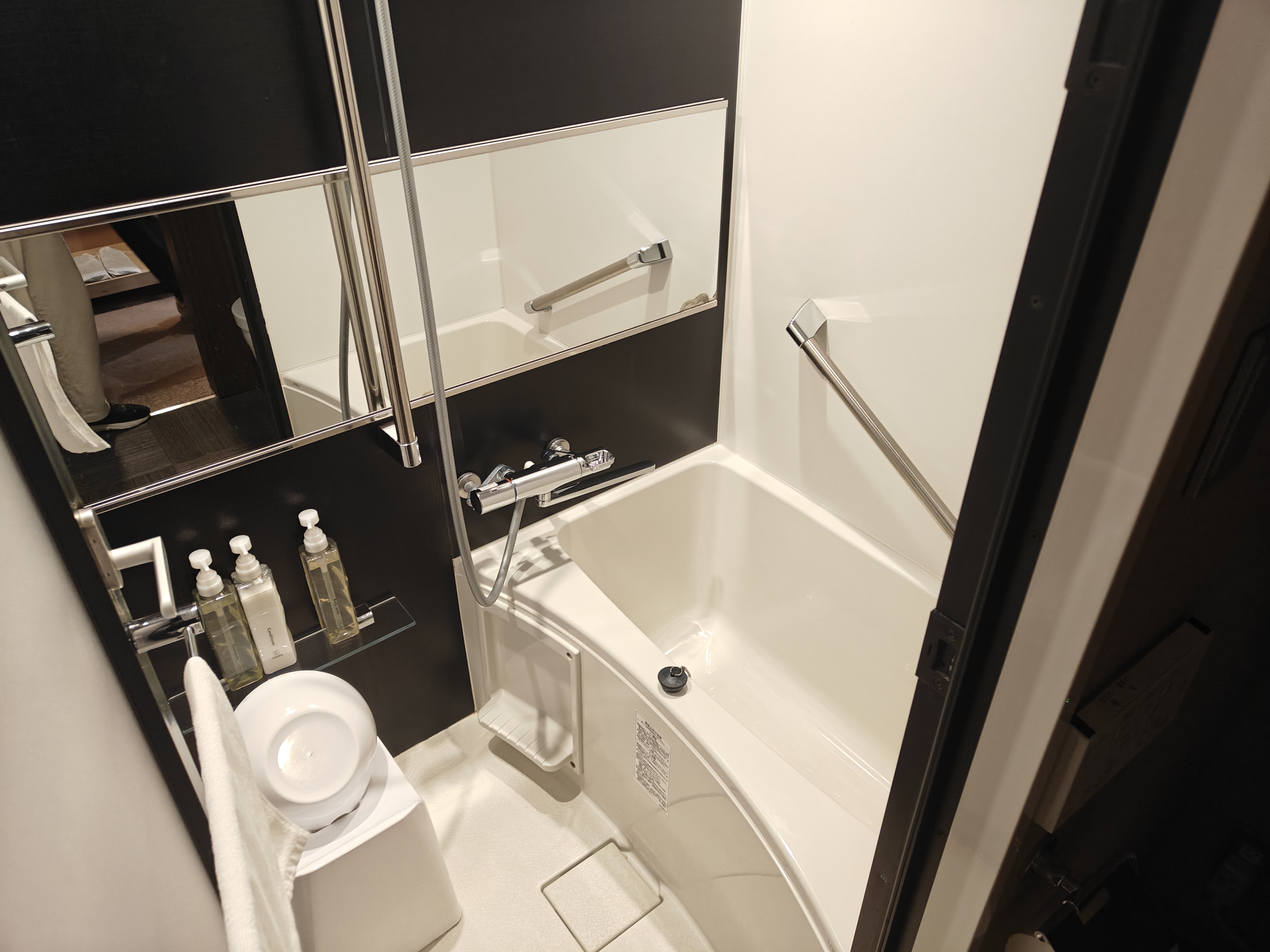
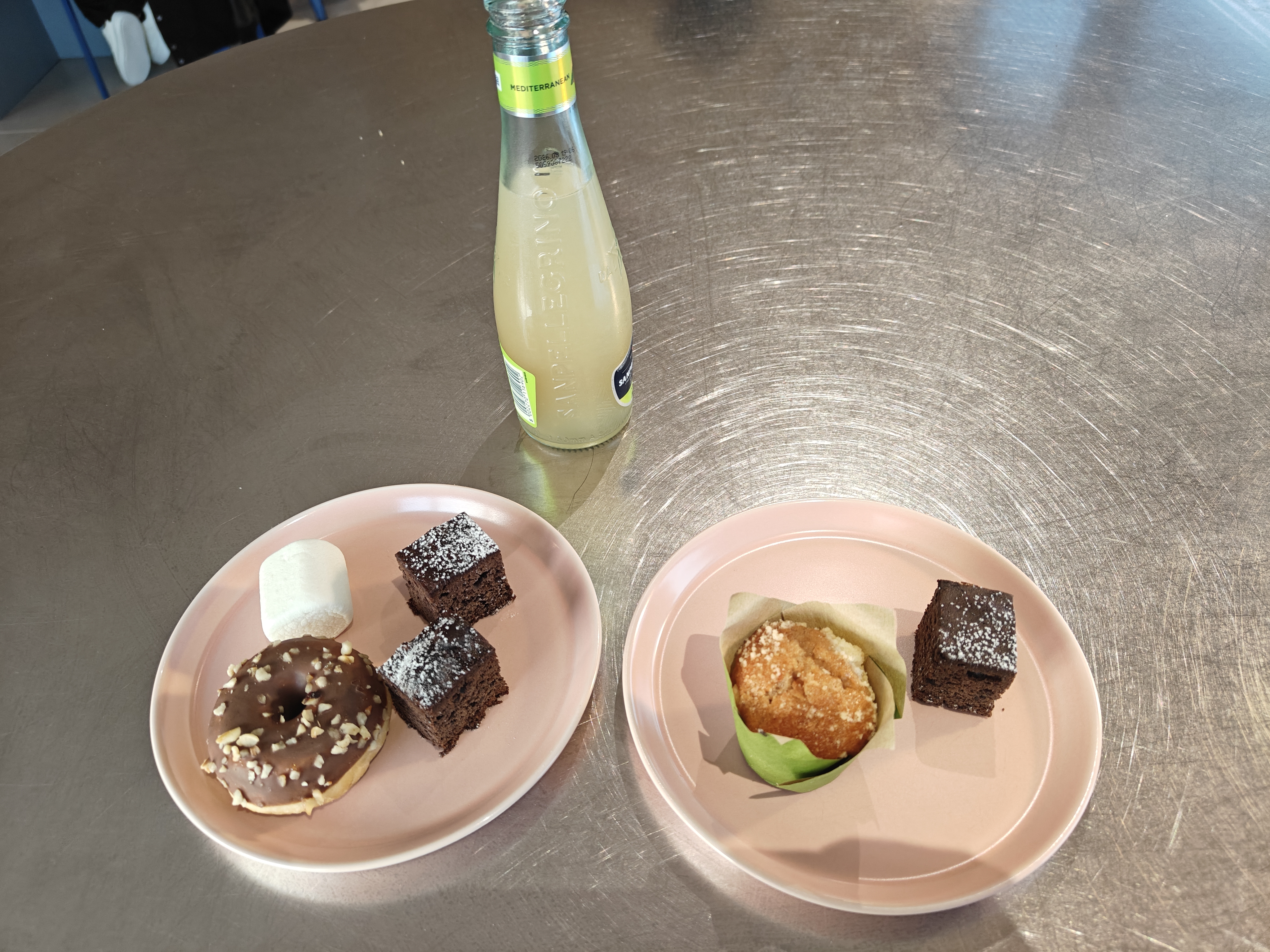
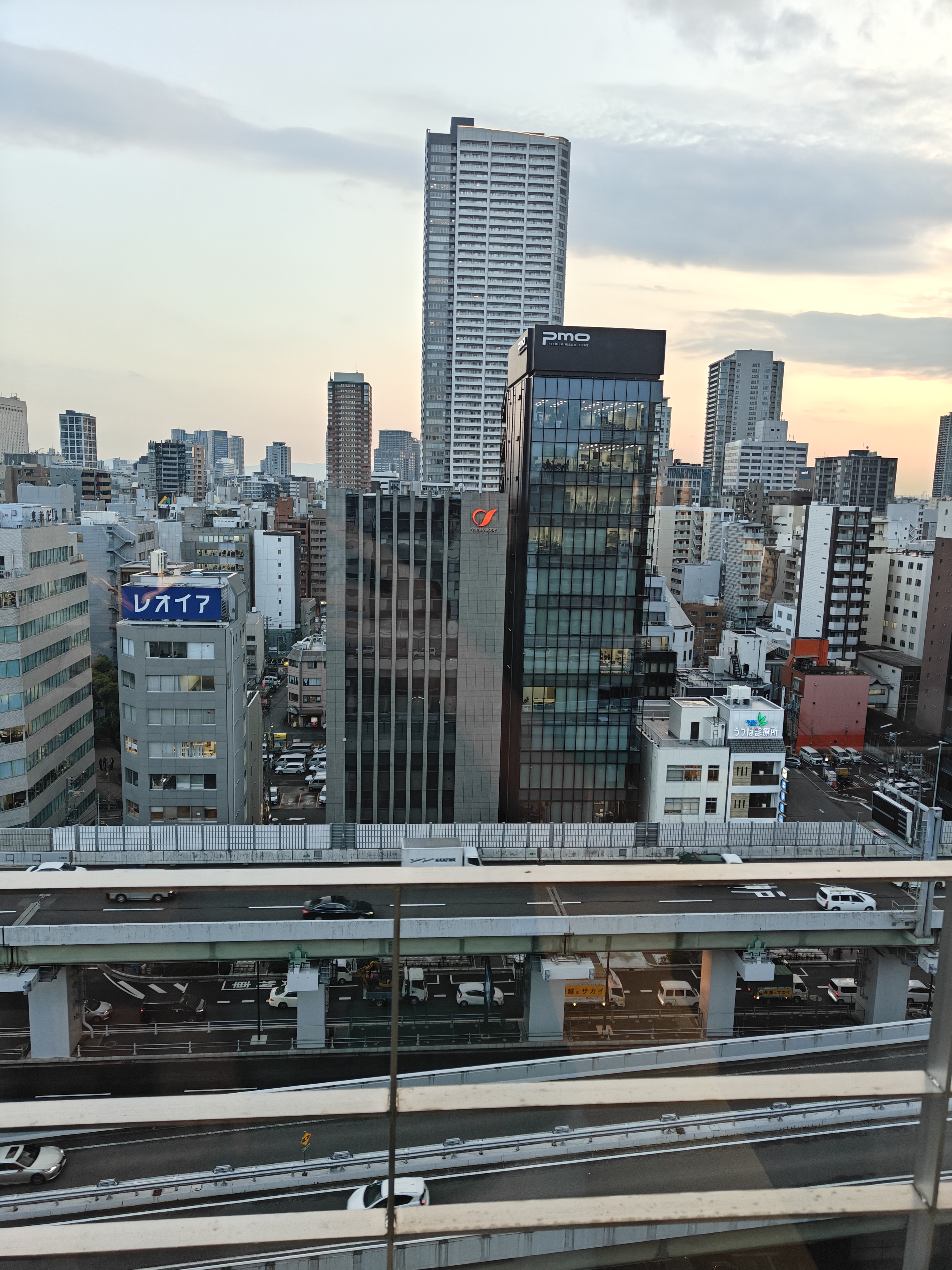
After check-in, hurried to the happy hour for some supplies, took a quick look at the high-rise view, then prepared to set off and officially start the trip!
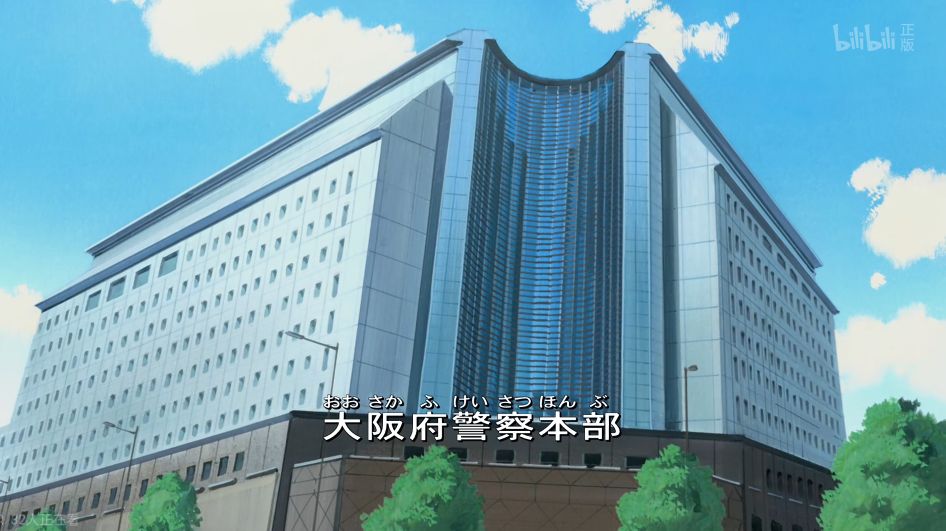
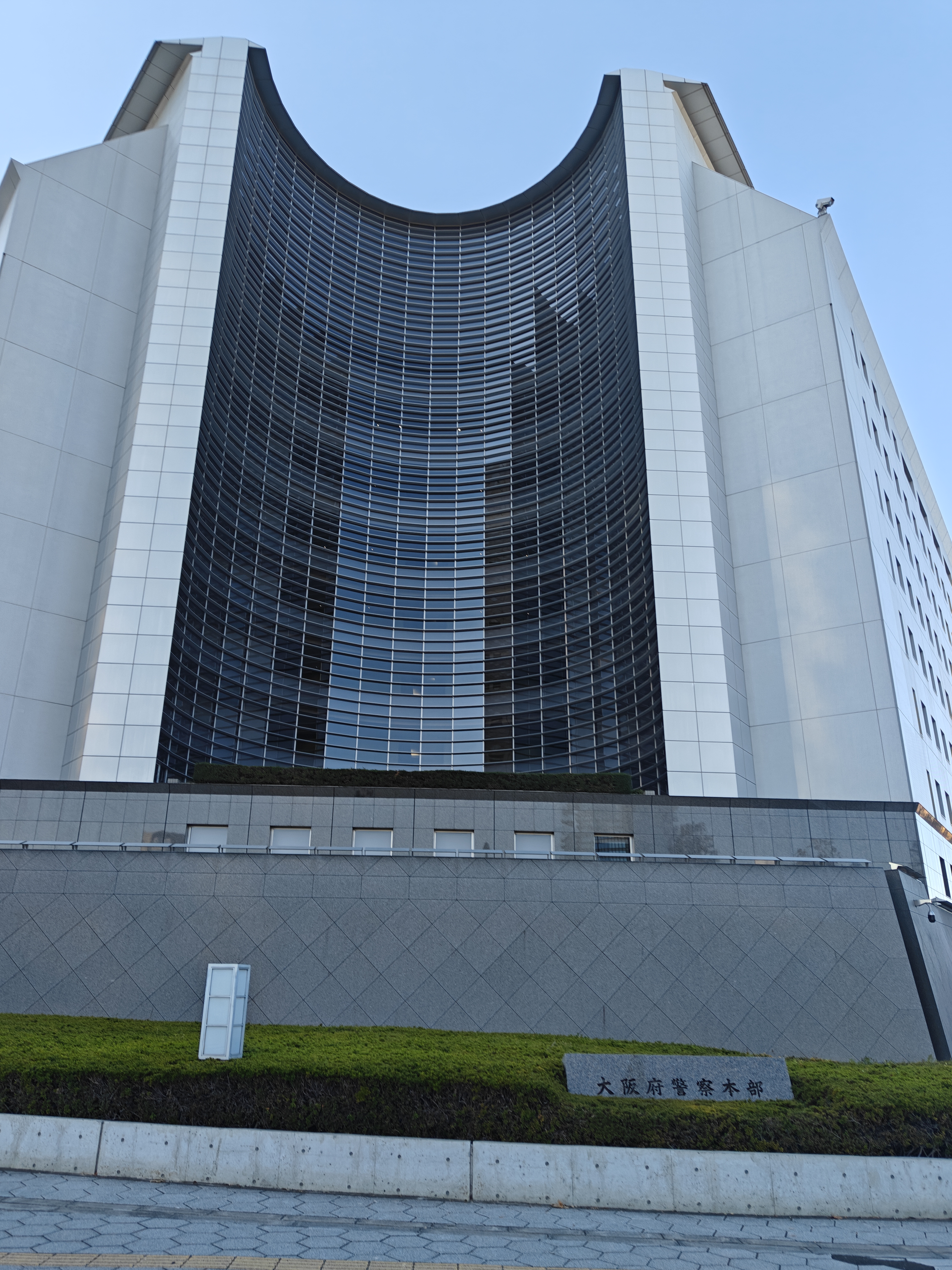
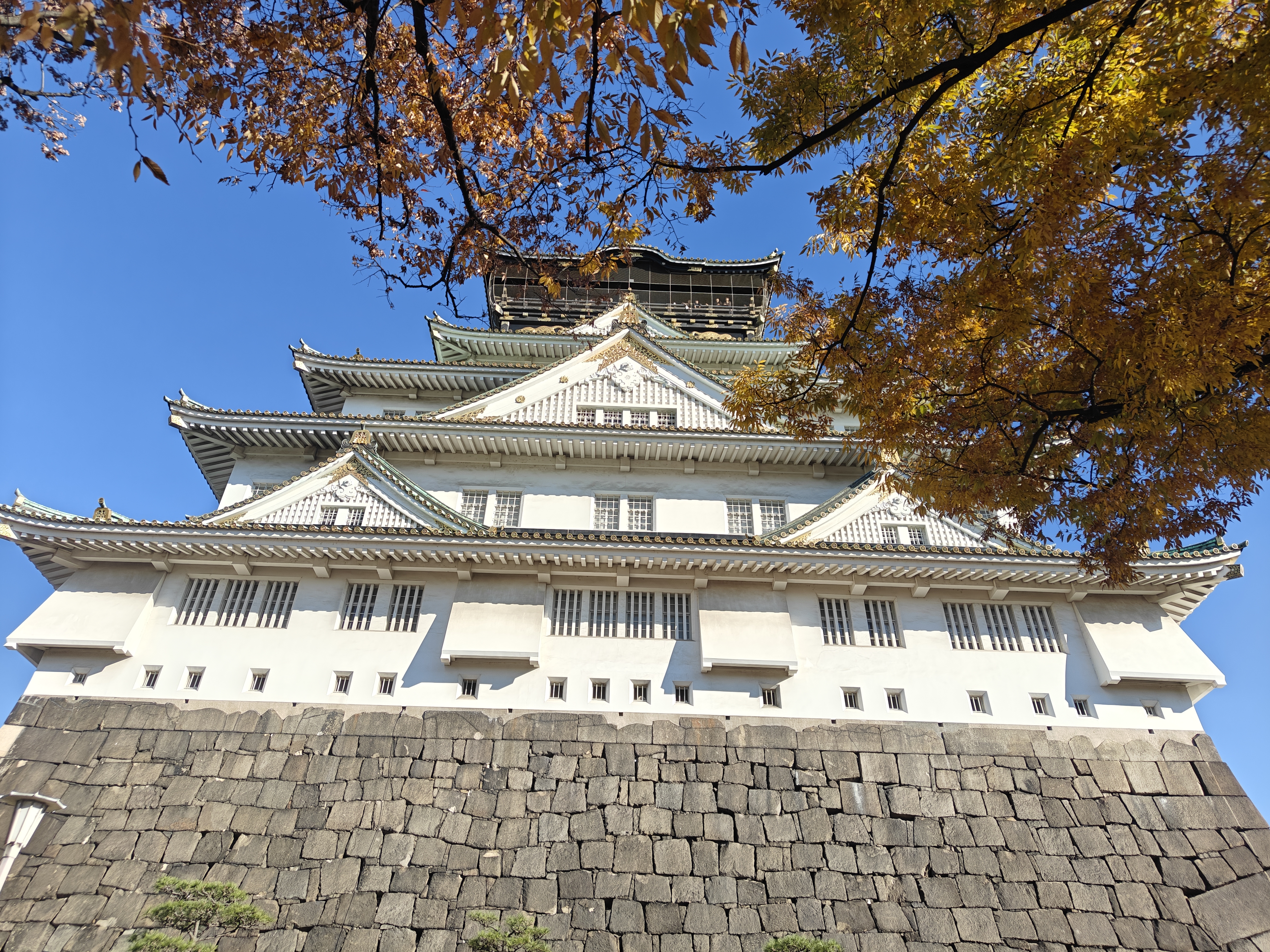
The first stop was planned to be Osaka Castle Park in the east, and also to check out the Osaka Prefectural Police Headquarters, but I miscalculated! First, it was still quite bright when we left, but by the time we arrived, it was completely dark, and the roads around Osaka Castle Park are almost without streetlights, very dark, which made the experience somewhat average; second, the weather forecast was misleading—since it was confirmed not to rain, we didn’t bring an umbrella, but as soon as we reached the foot of the castle keep, it started pouring heavily. We could only quickly snap a couple of photos and then sadly hide in Osaka Castle Miraiza to wait out the rain.
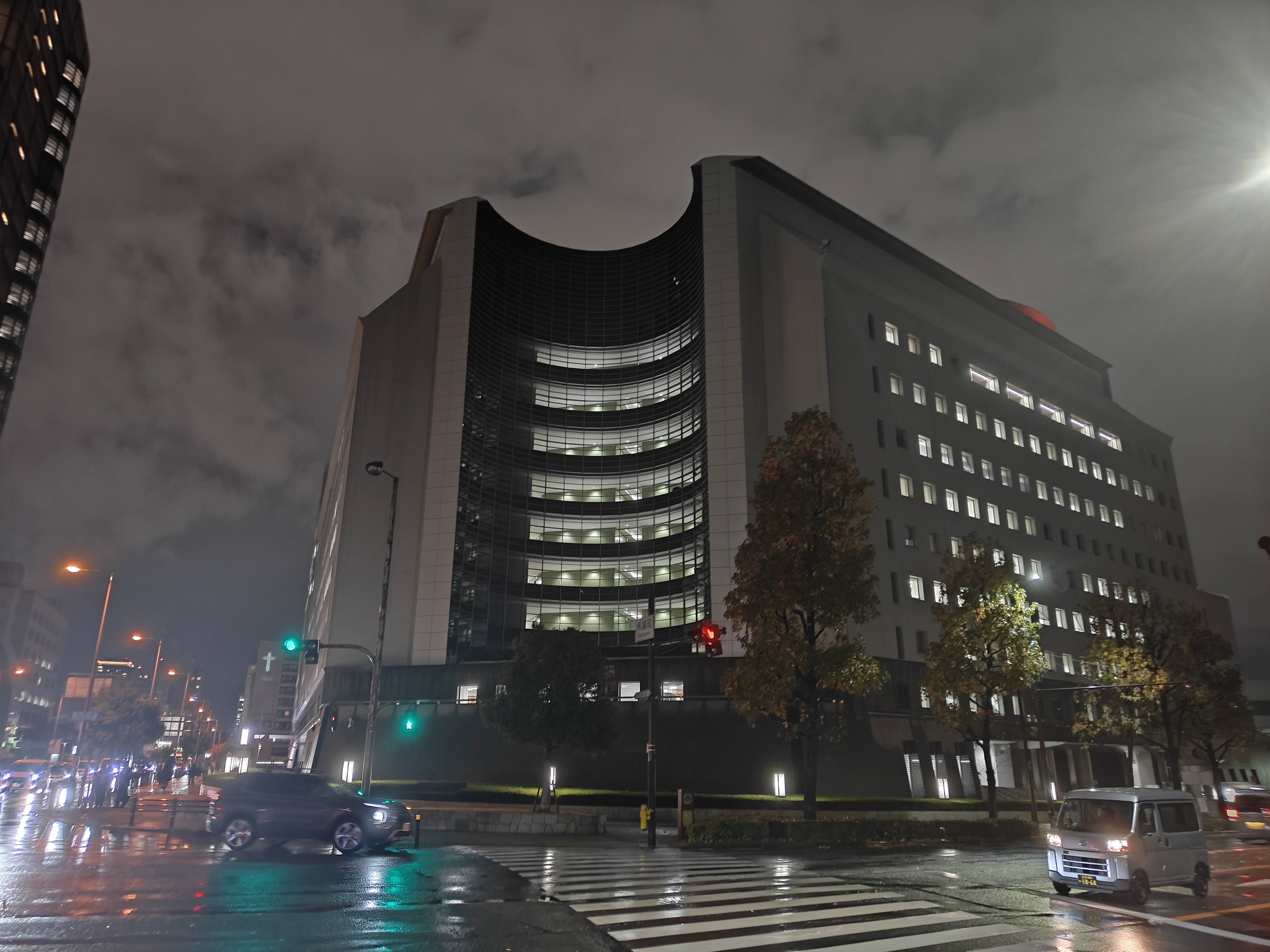
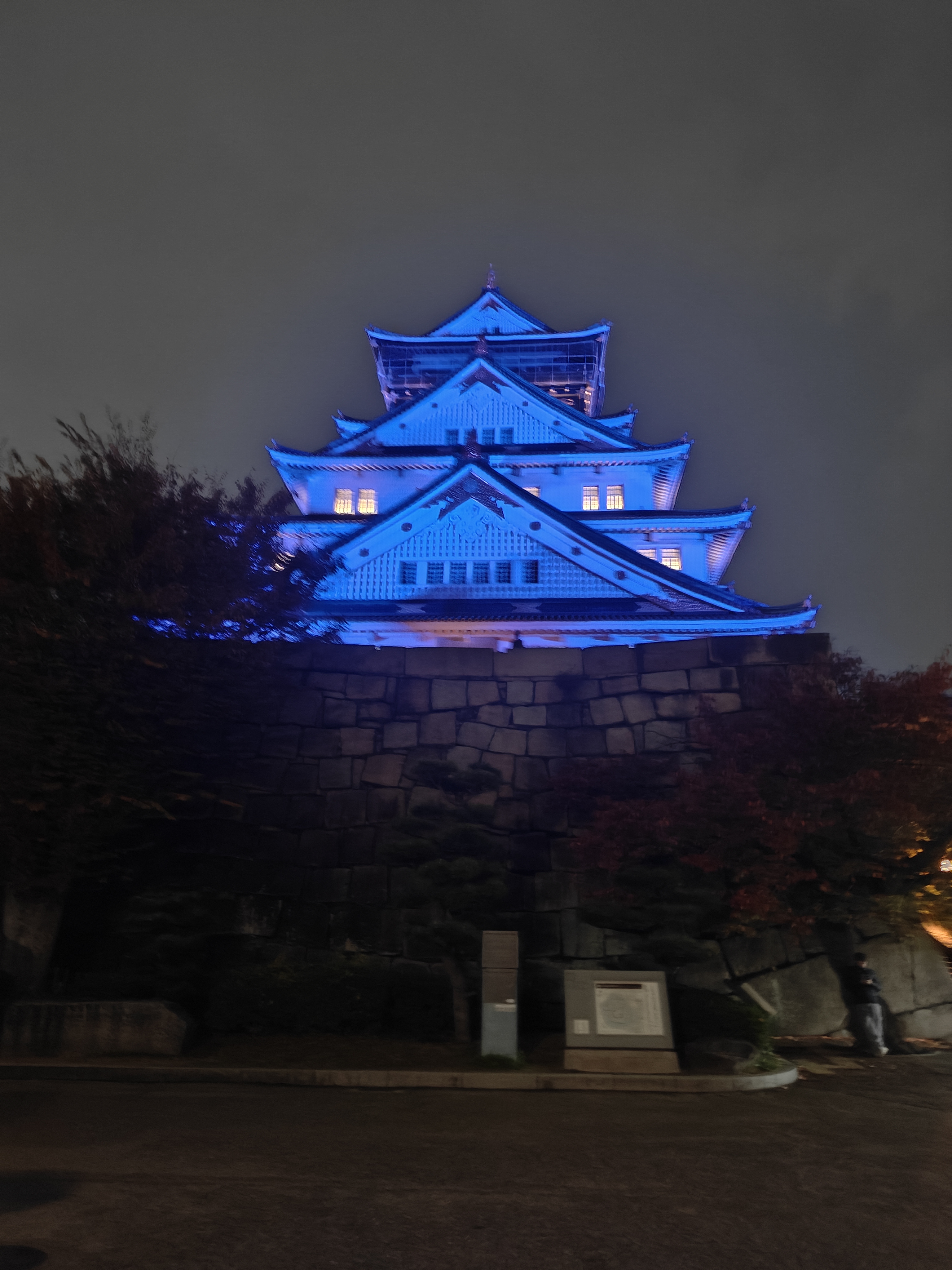
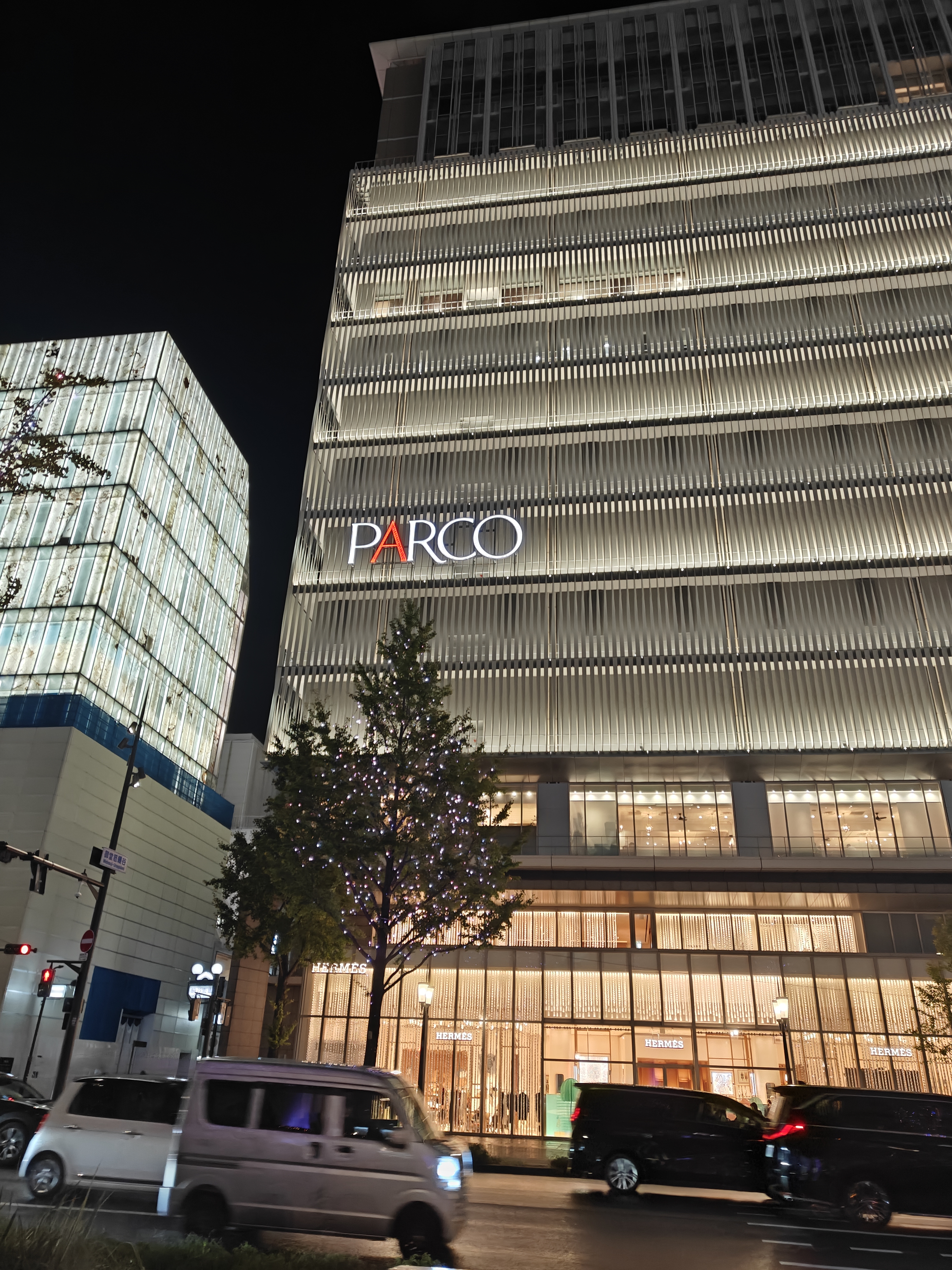
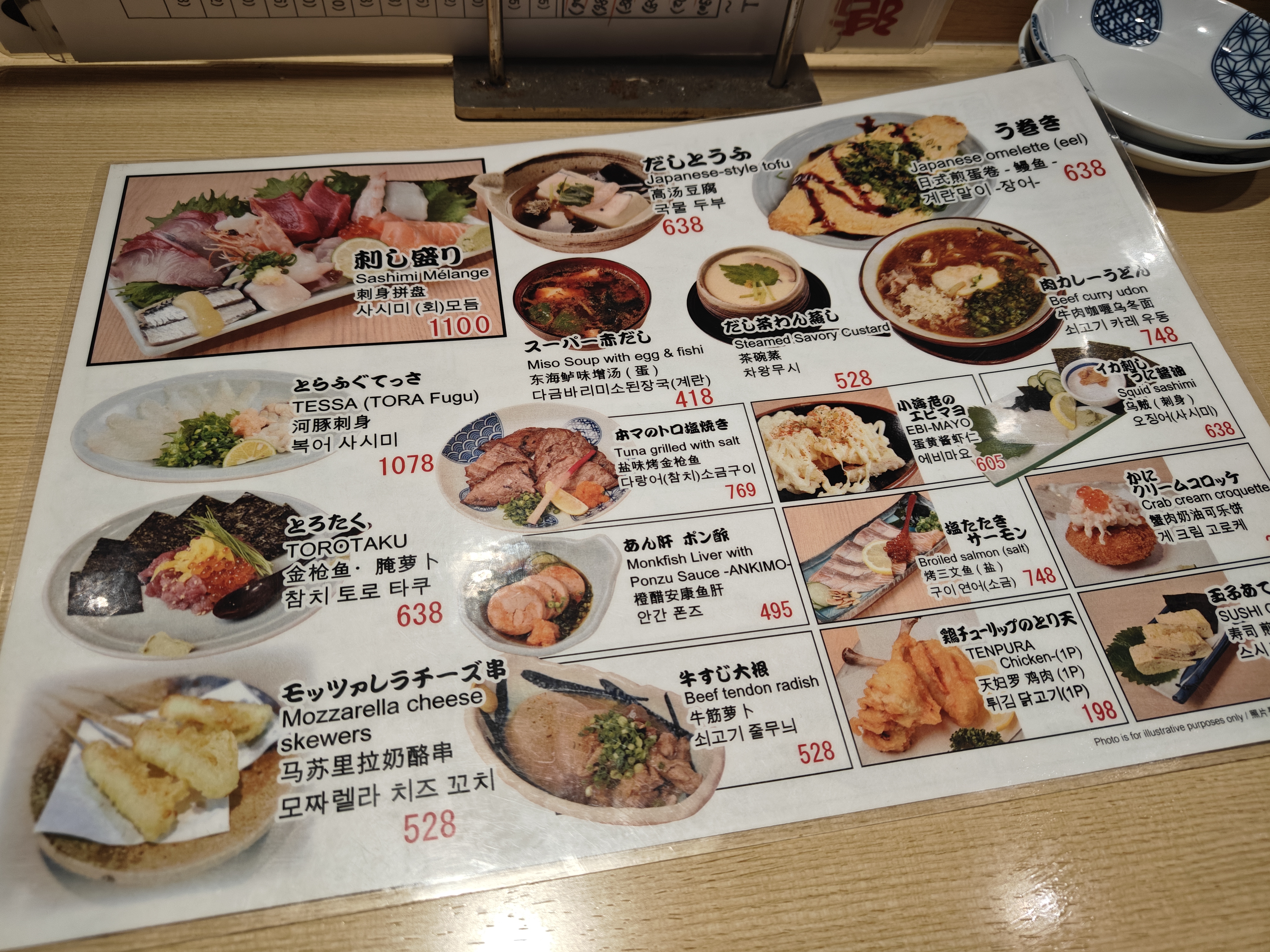
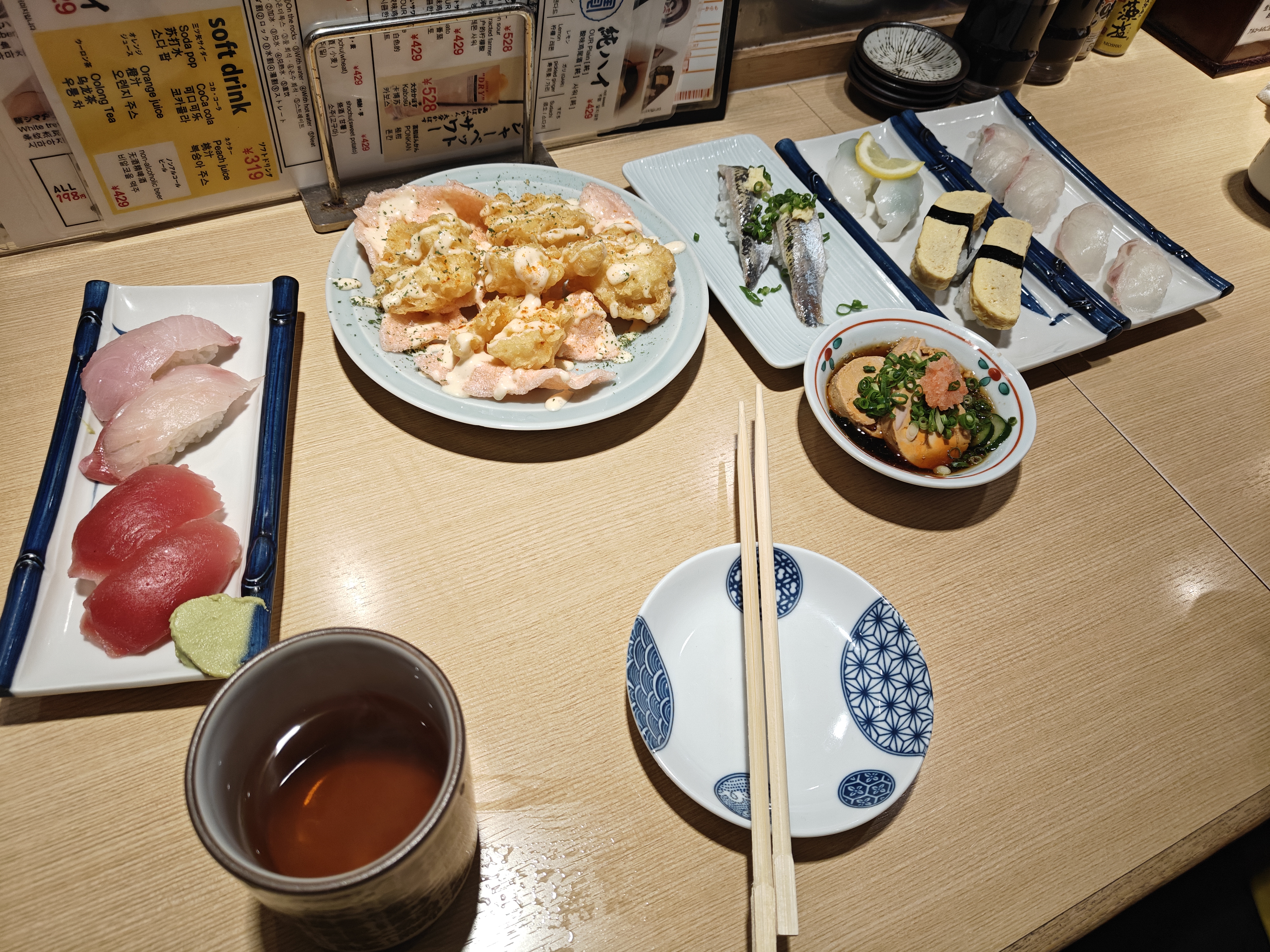
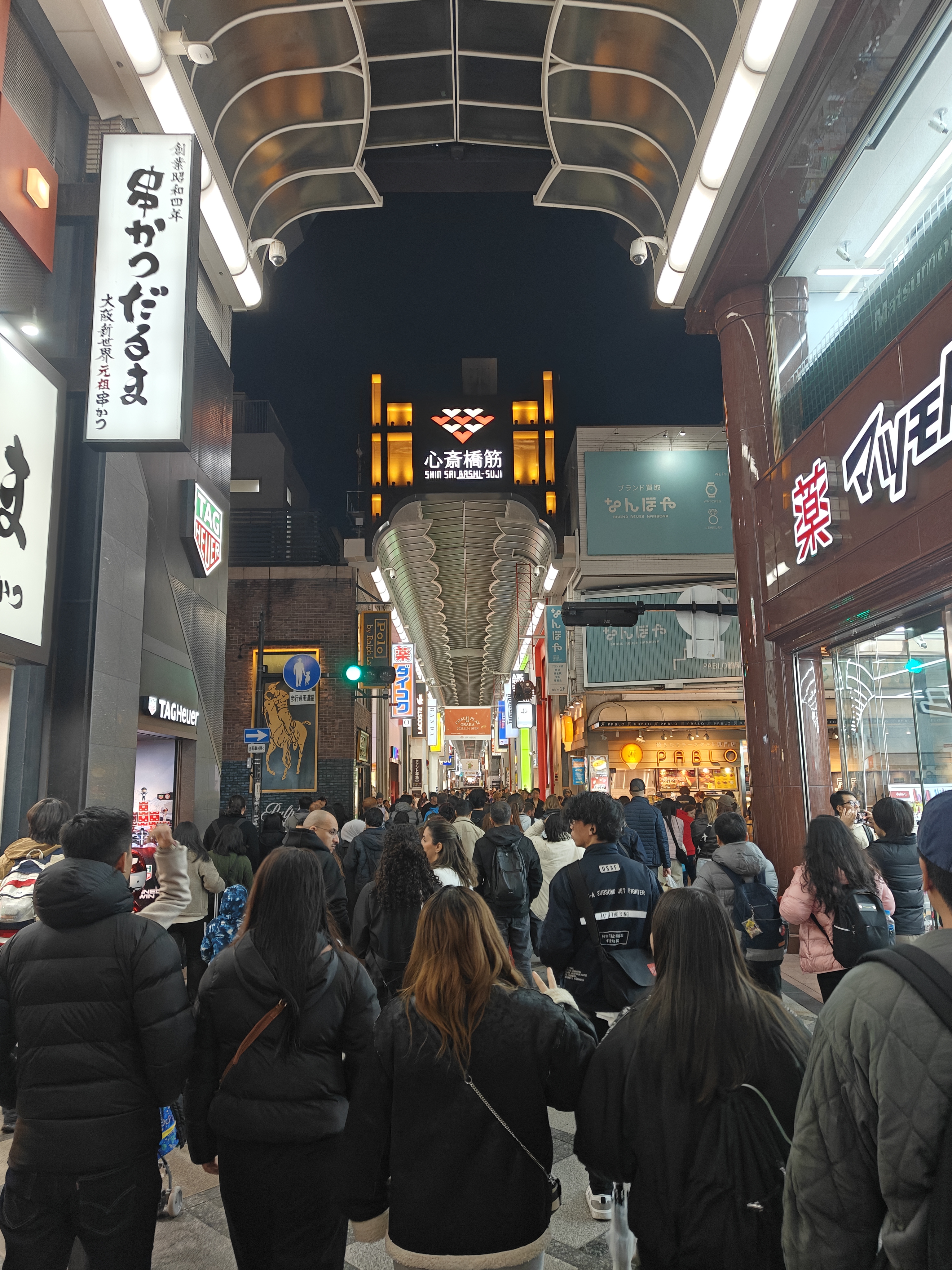
The trip started off badly. Taking advantage of the light rain easing, we hurried back to the hotel for a rest. After the rain stopped, we went out to find dinner. We walked to Shinsaibashi and finally chose New SUSHI Center in the PARCO B2 food street. Tried ankimo (monkfish liver) which I never got to eat at Sushi-Ro, feeling it was so-so; but the squid sashimi amazed us, so we ordered another. Other dishes were quite good (but not outstanding), and the prices were reasonable with high cost-performance. Dinner was finished around 19:30. PARCO and the nearby Dotonbori Marui were closing soon (why are shops near Shinsaibashi closing so early?), so we didn’t have time to visit the Pokémon Center and Montbell, leaving those for next time.
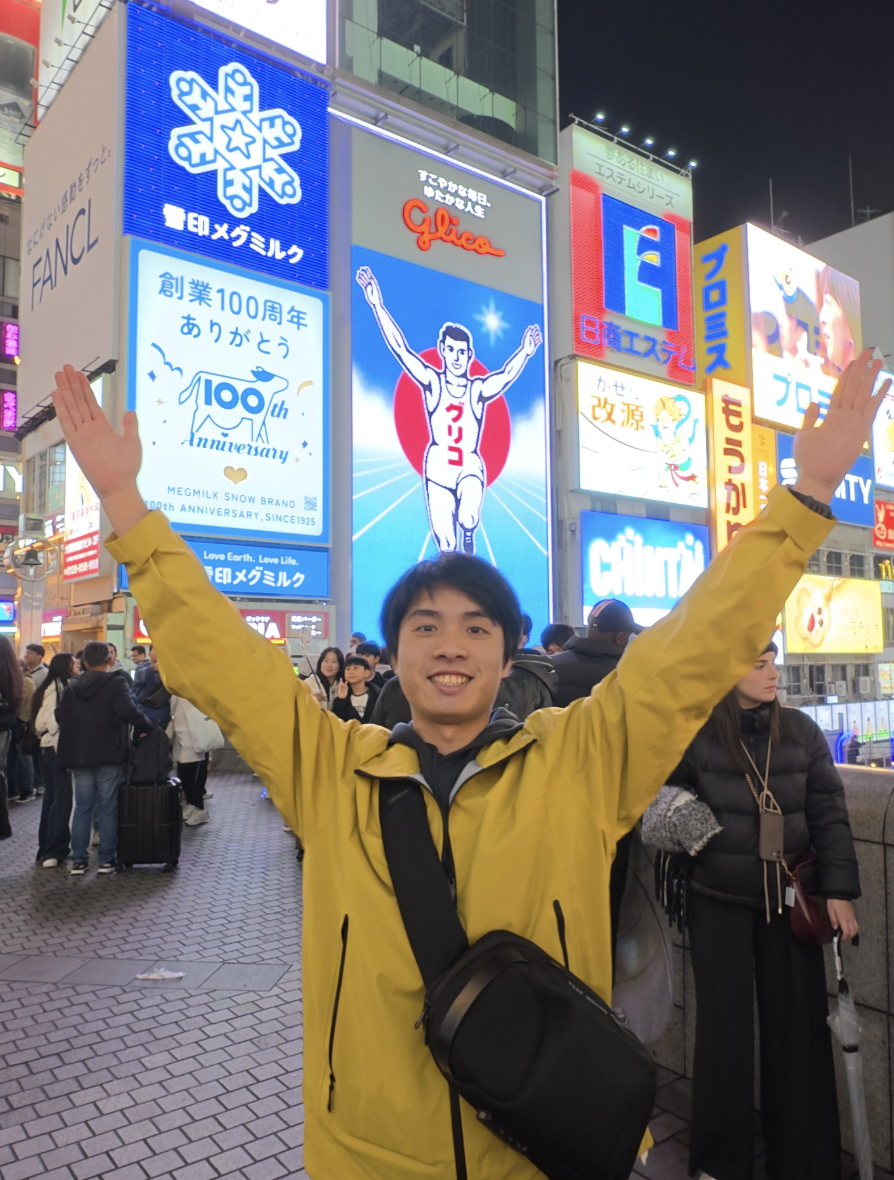
Thinking about the UNIQLO Thank You Sale discount deadline, I bought some clothes at UNIQLO in Shinsaibashi. After tax, the prices were still very attractive. After a quick check-in photo under the Glico sign in Dotonbori, I found a seemingly good milk tea shop (Koi Thé), bought a cup, but it was just so-so (and 560 yen—very expensive).
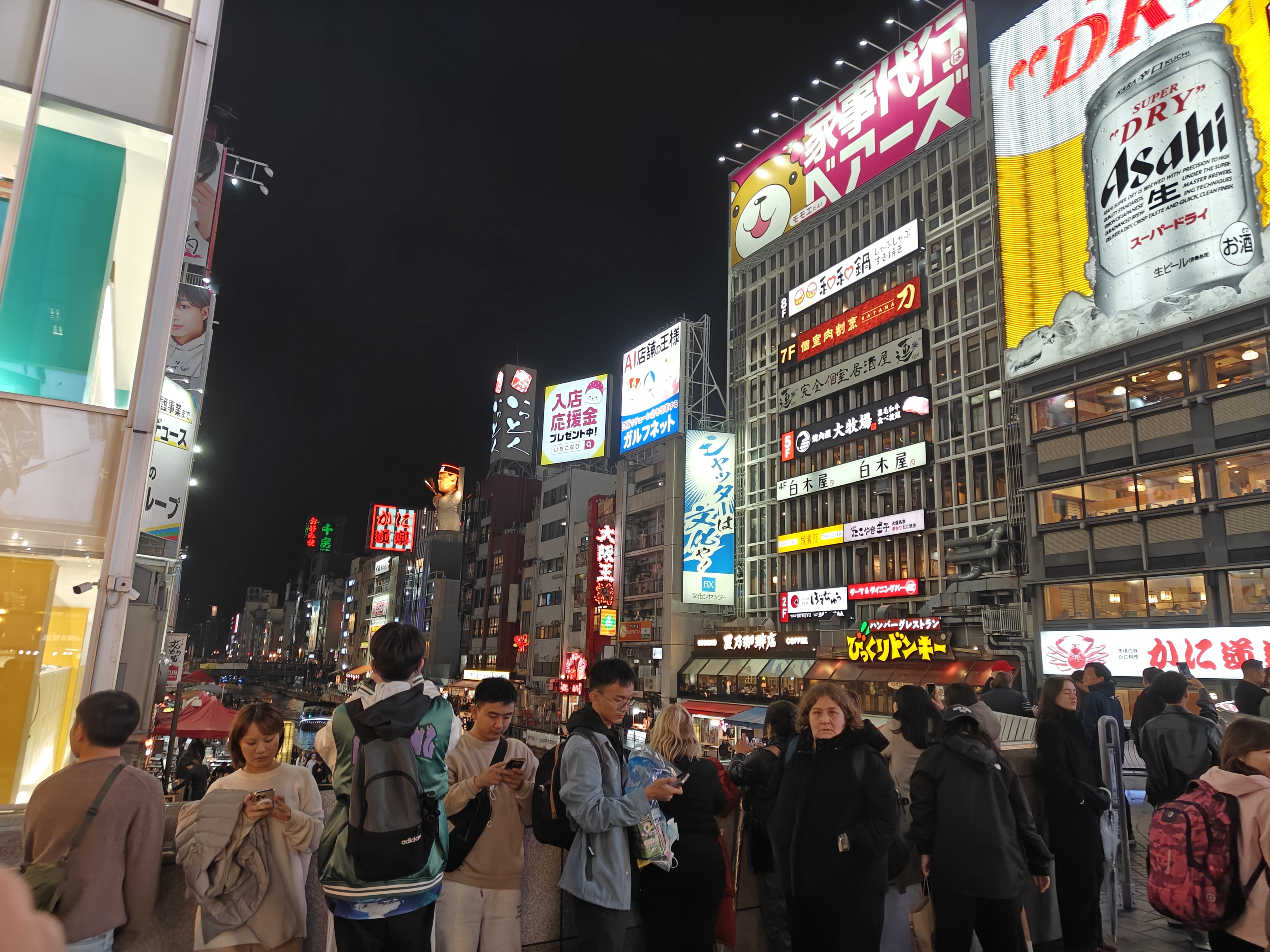
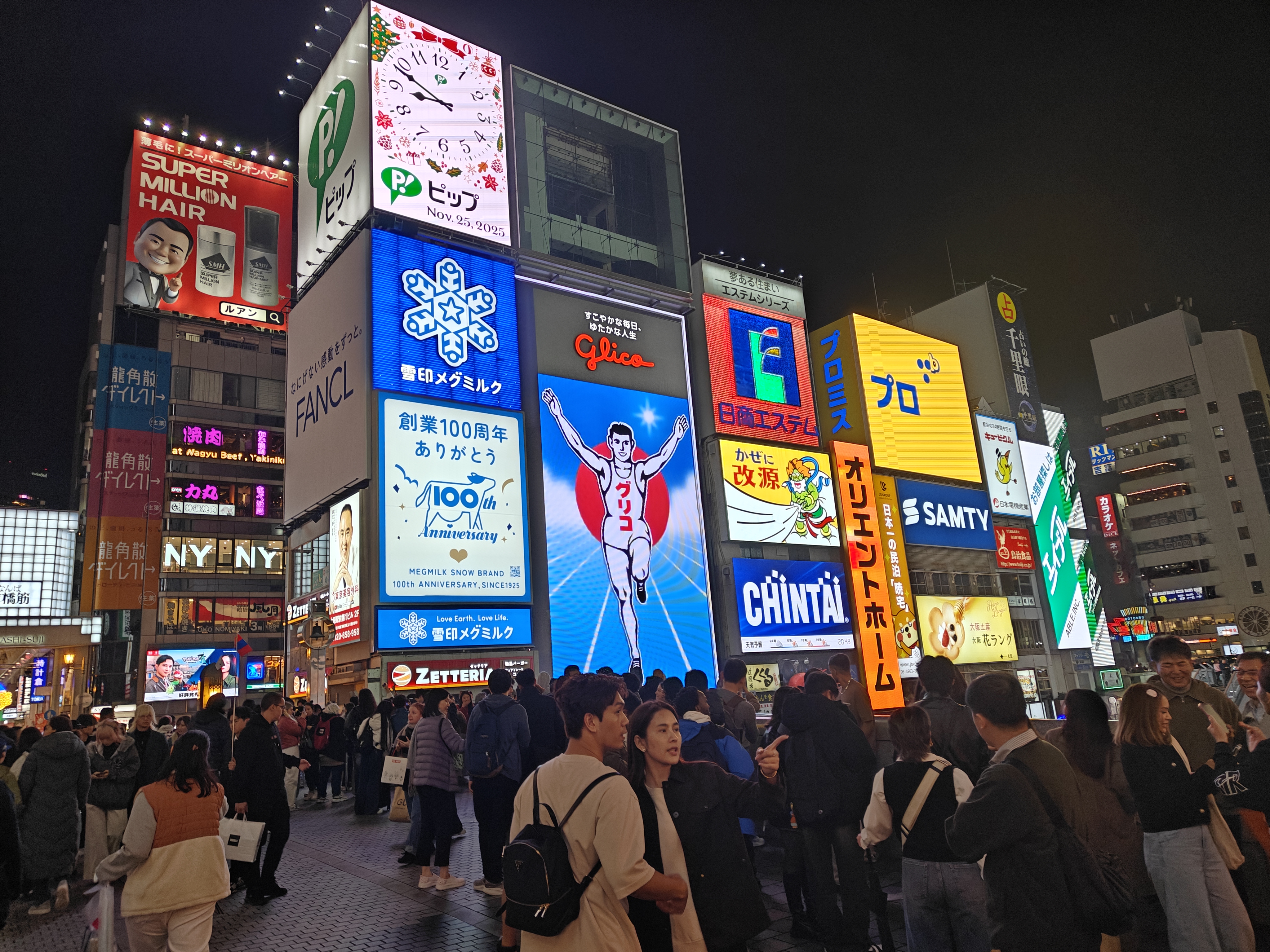
Honestly, I still can’t clearly distinguish the boundaries of Shinsaibashi and Dotonbori—just consider it one area and wander around aimlessly.
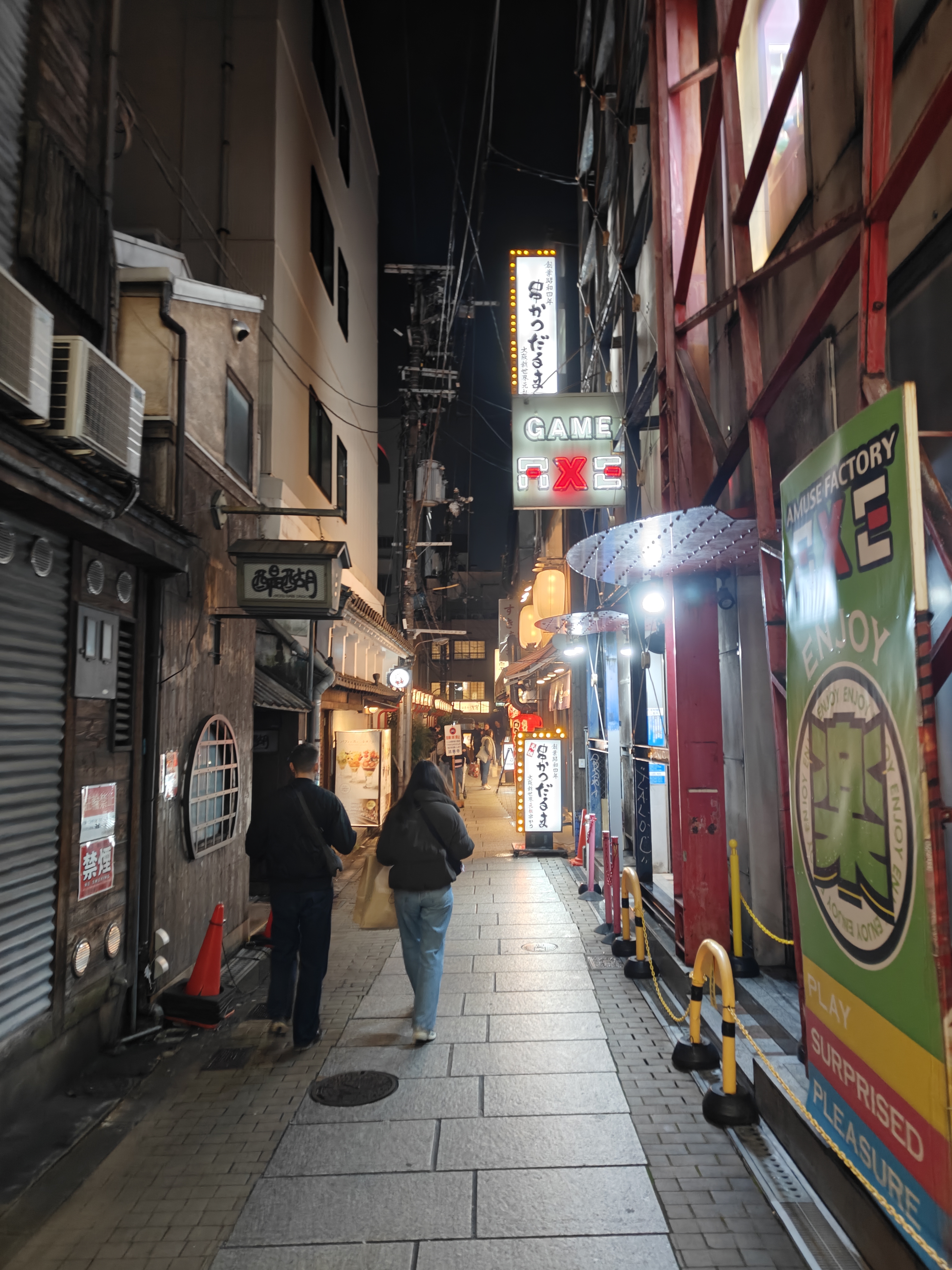
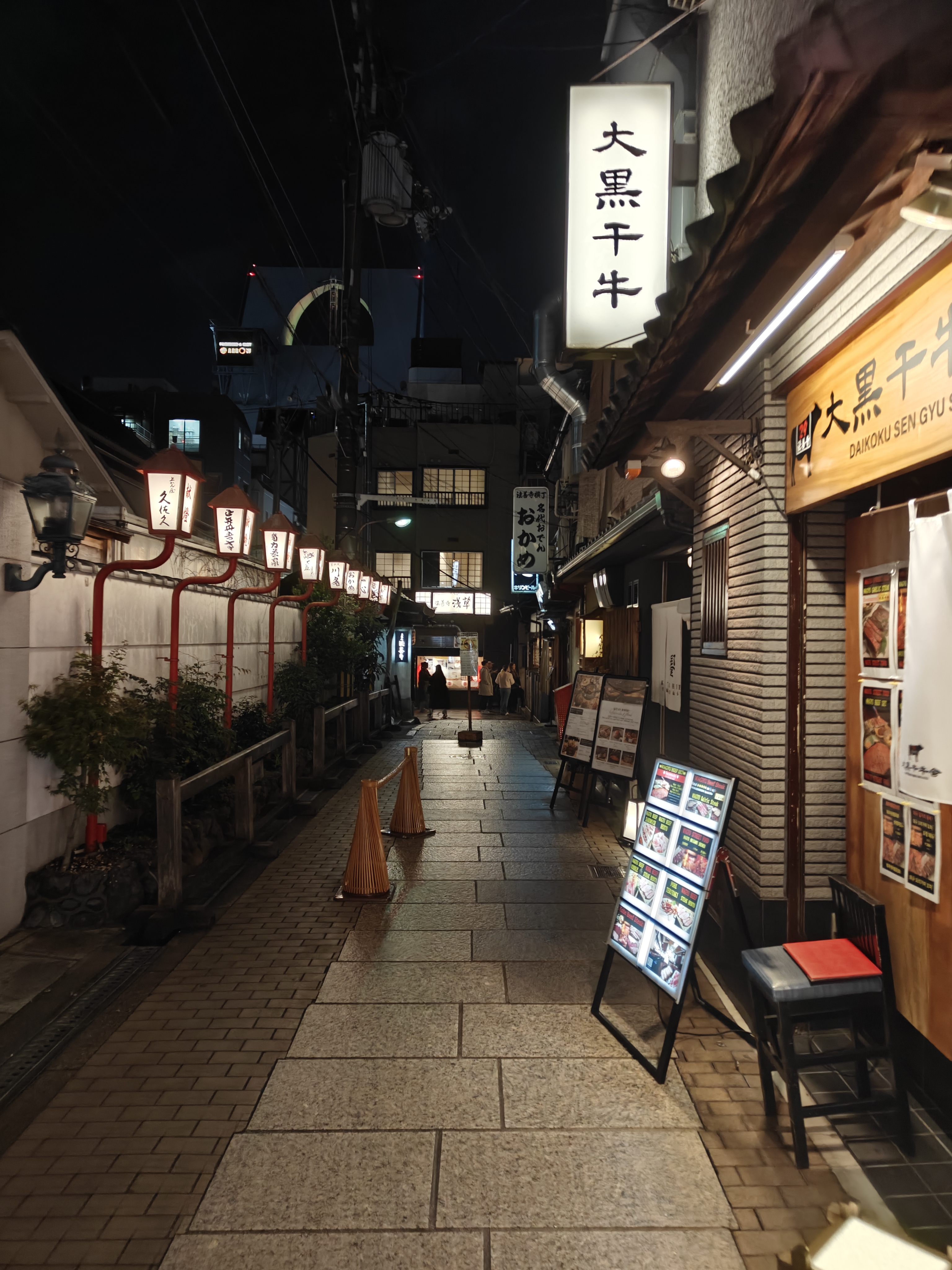
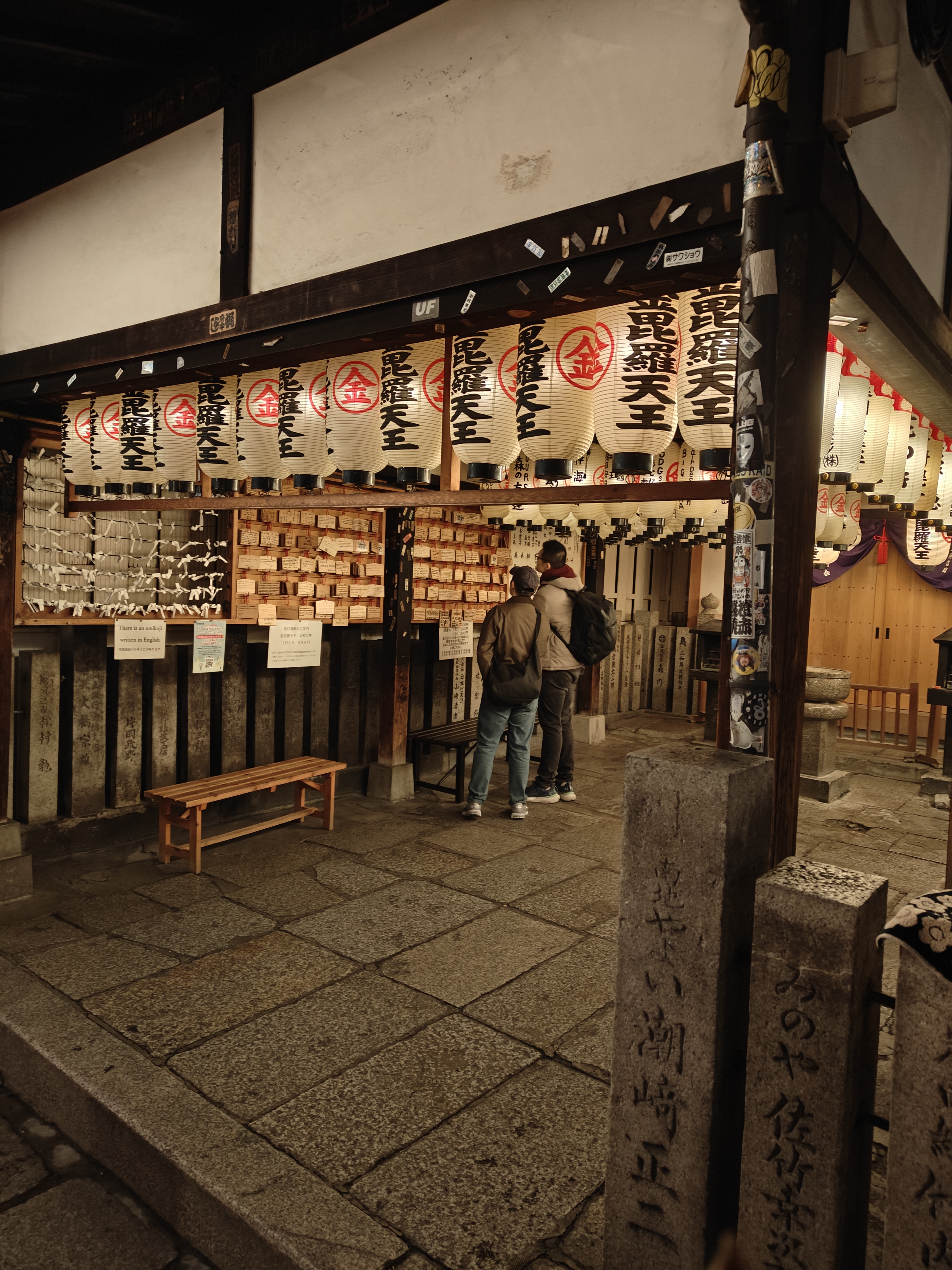
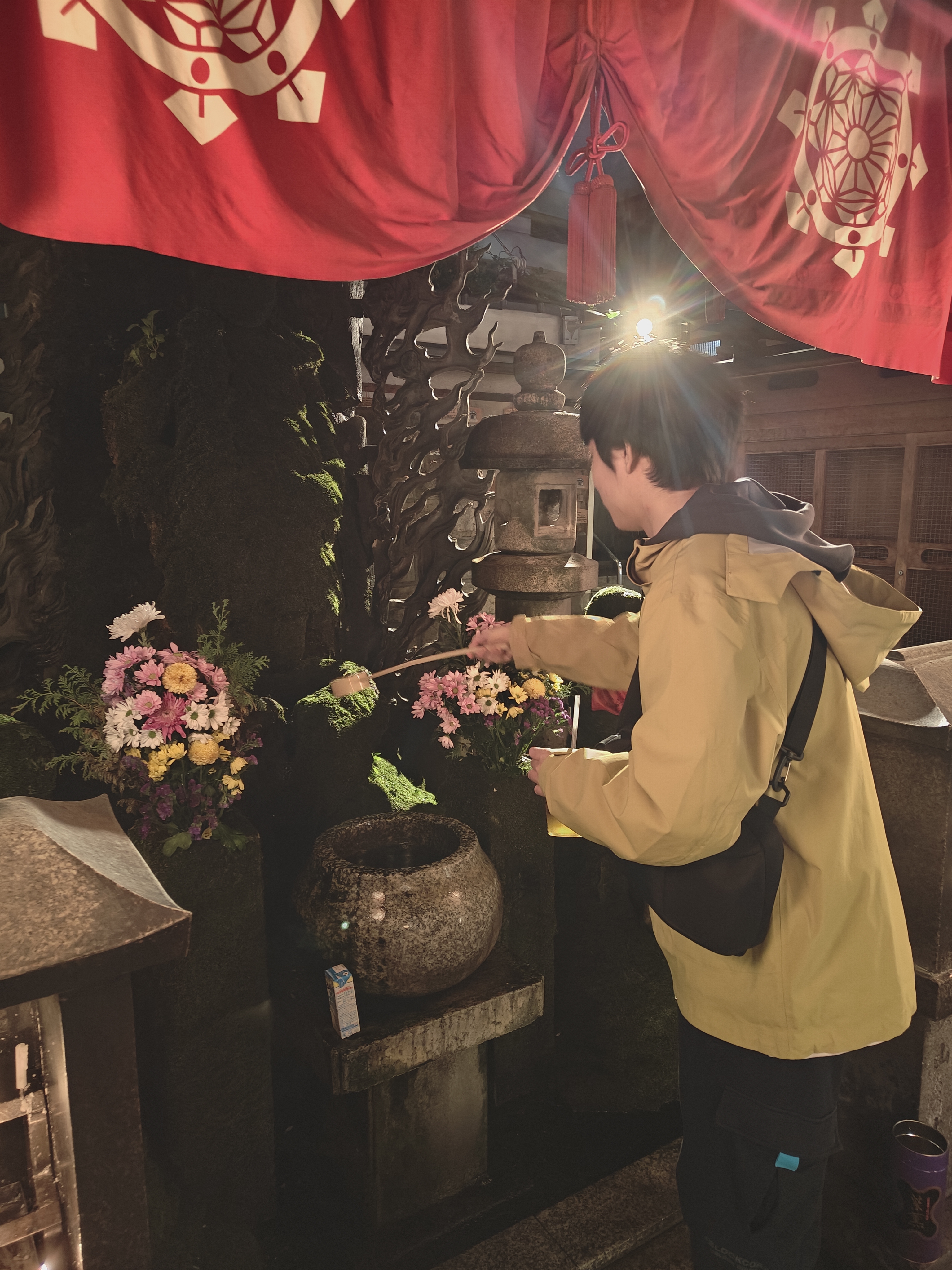
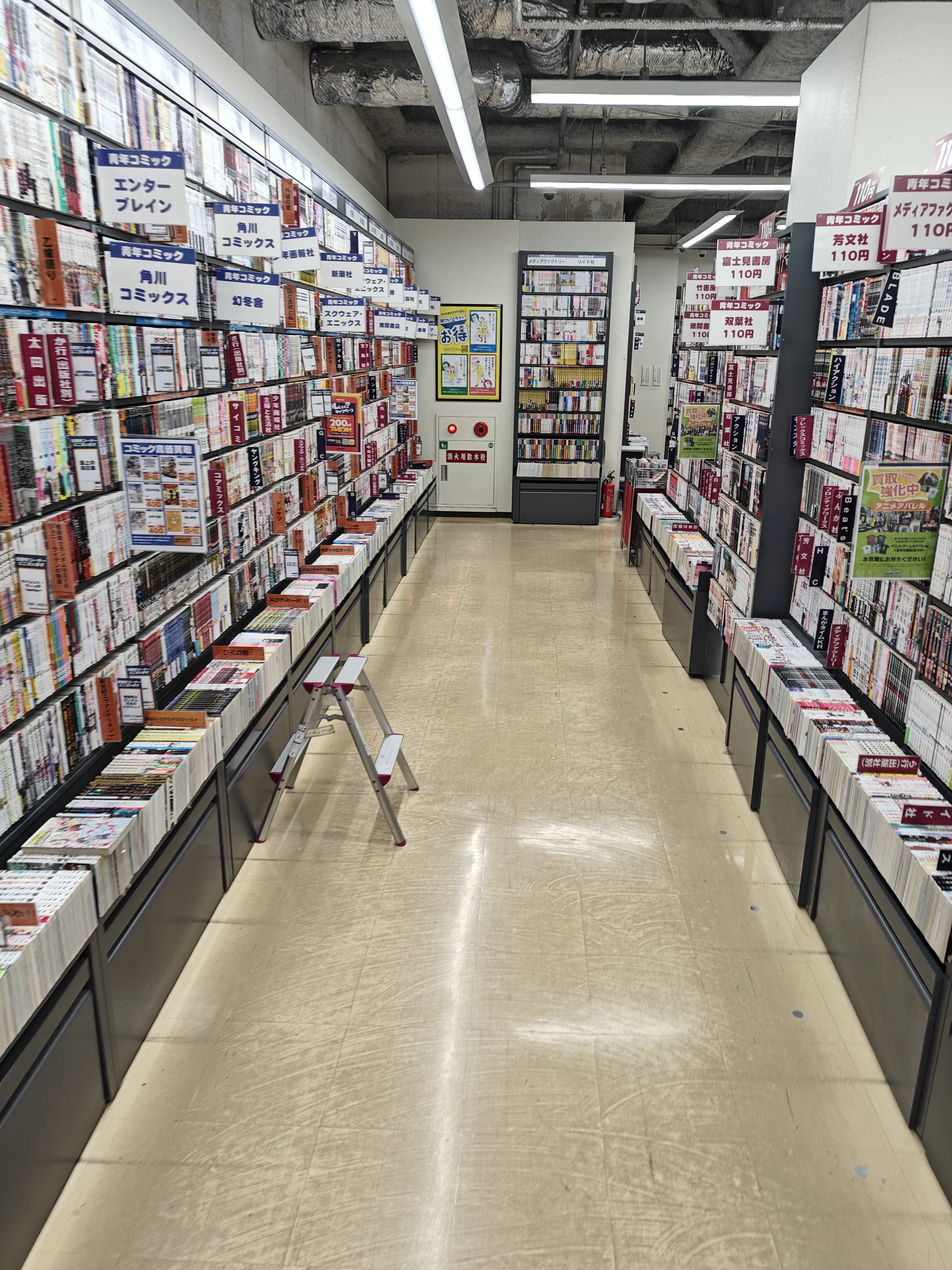
Passing by Hozenji Yokocho, there’s a statue of Mizugame Fudō Myō-ō, so I poured some water on it. Nearby, the couple’s Zenzai (sweet red bean soup) was also marked earlier, but unfortunately I had no appetite to eat more. Finally, casually visited a BookOff nearby, and the first day’s itinerary ended! Back at the hotel, I definitely needed a bath—very relaxing, though a bit dizzy after soaking too long. Today didn’t go very smoothly, but after arriving in a foreign country, I roughly got familiar with transportation and shopping procedures, and later on, it became much smoother.
Day 2 - Osaka
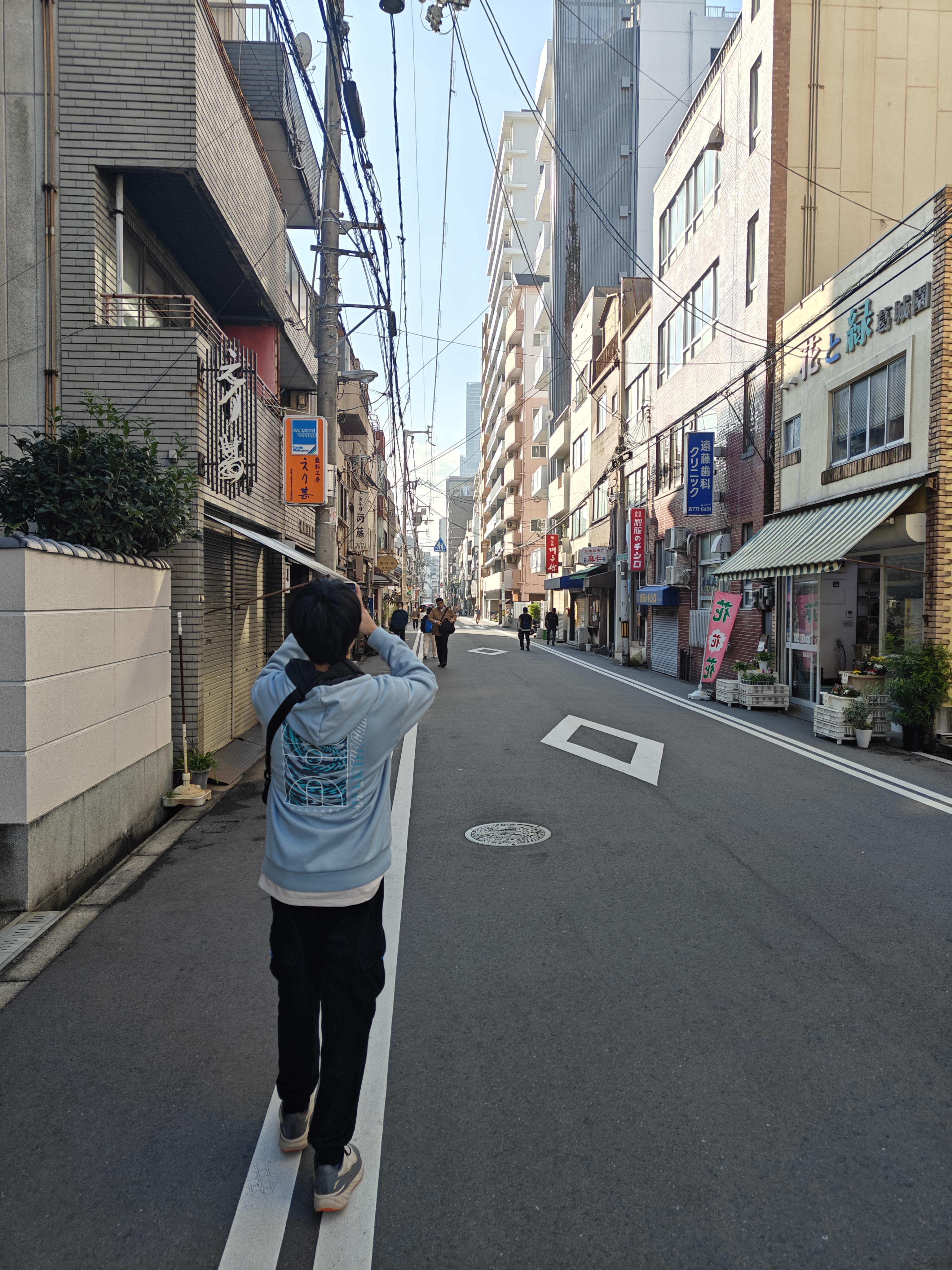
My friend isn’t very fond of breakfast, so I usually buy rice balls at convenience stores the day before. Japanese convenience store rice balls are really delicious, especially the tofu skin rice ball and cod roe rice ball, which I love deeply. Today’s main plan was to visit the area near Tennoji Zoo in southern Osaka, and to make up for the early closing of PARCO and Daimaru yesterday. Starting from Honmachi, take the Chuo Line, transfer at Tanimachi 9-chome to Tanimachi Line, get off at Tanimachi 9-chome, then take the Yotsubashi Line to Yotsubashi Station, and from there take the Osaka City Bus No. 207 at Shijo Takakura to Kiyomizu-dera. Then walk to Kiyomizu-zaka, which takes about 1 hour 40 minutes (880 yen, not expensive, but a JR limited express would be much pricier).
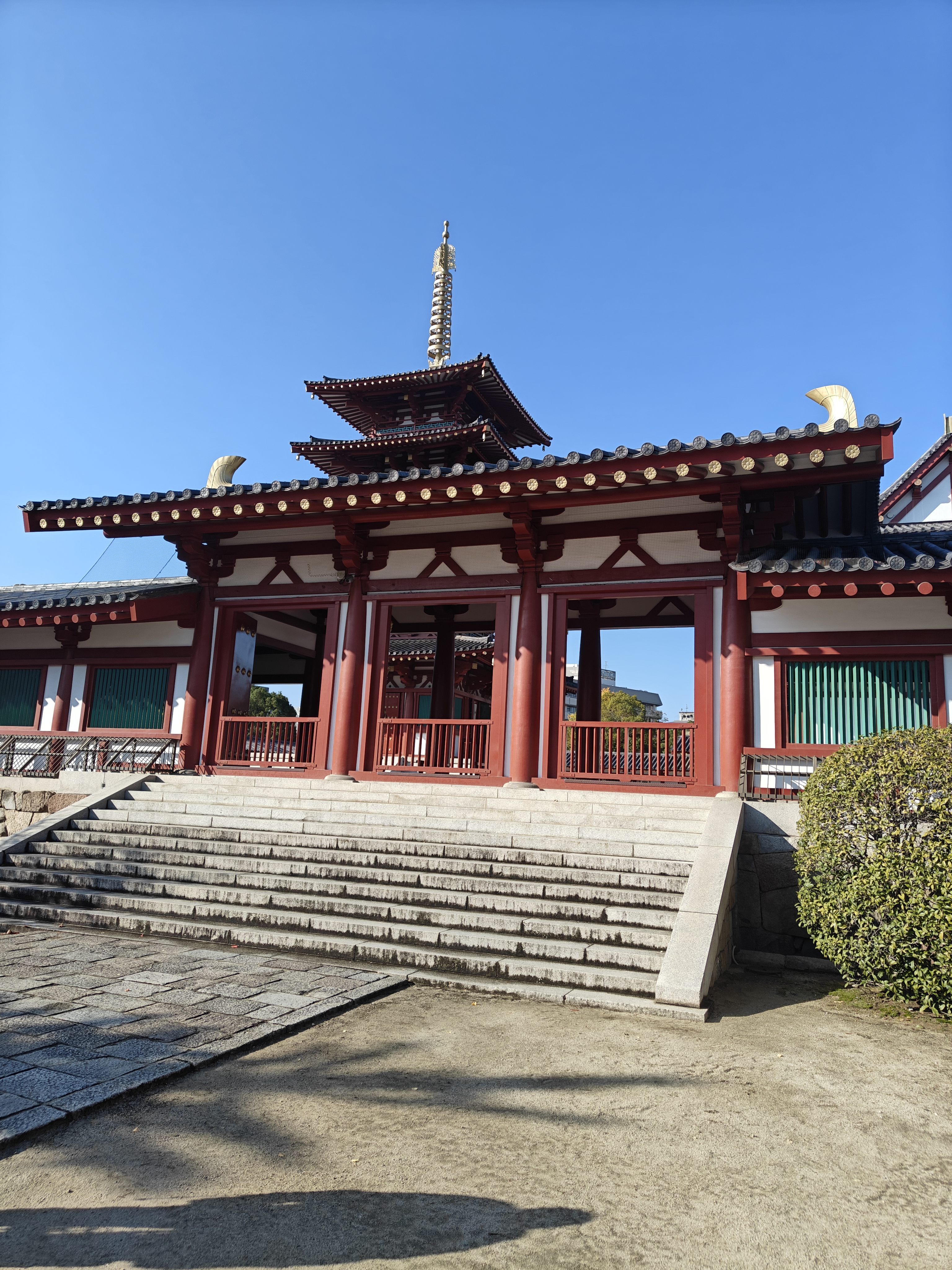
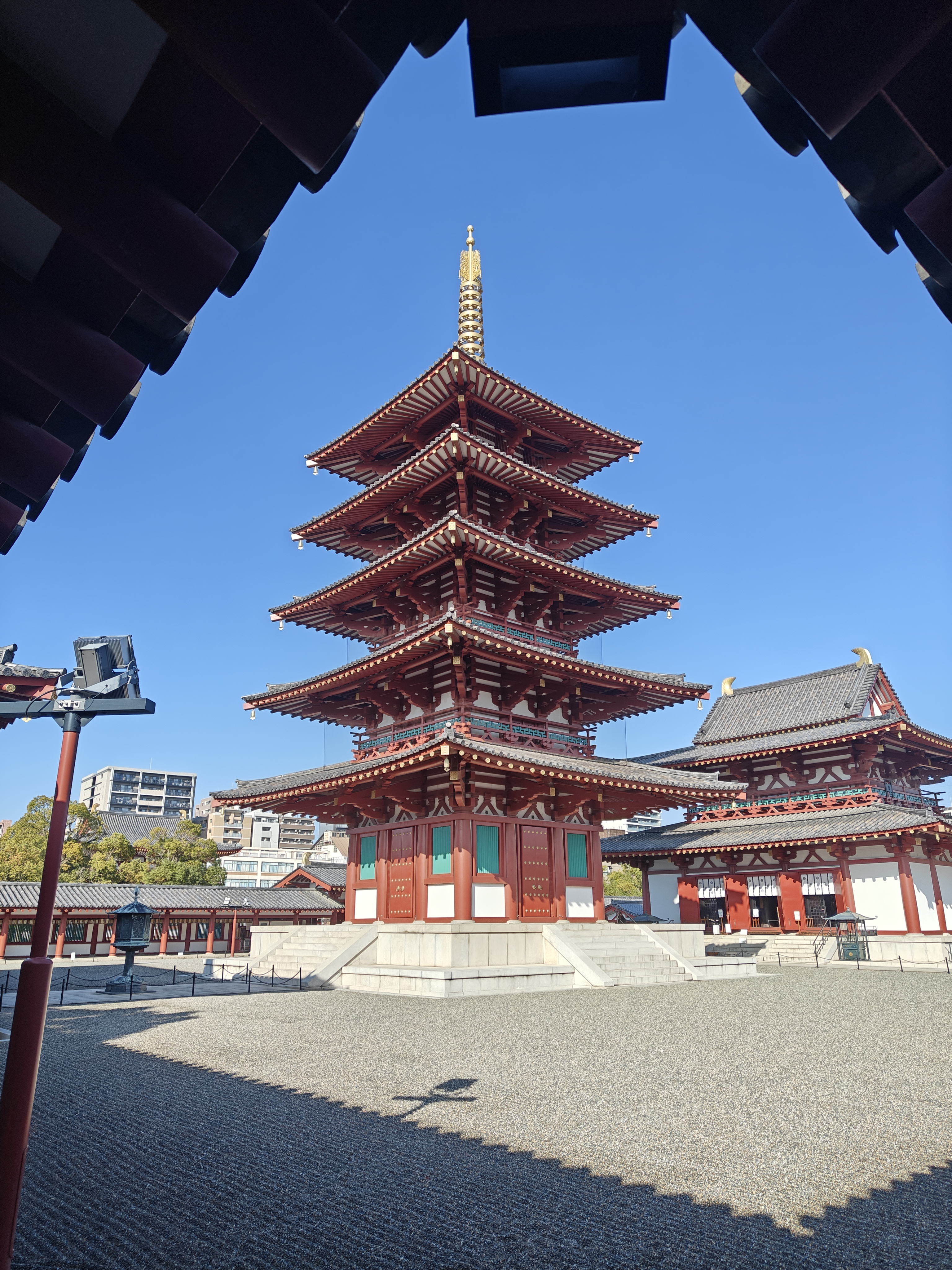
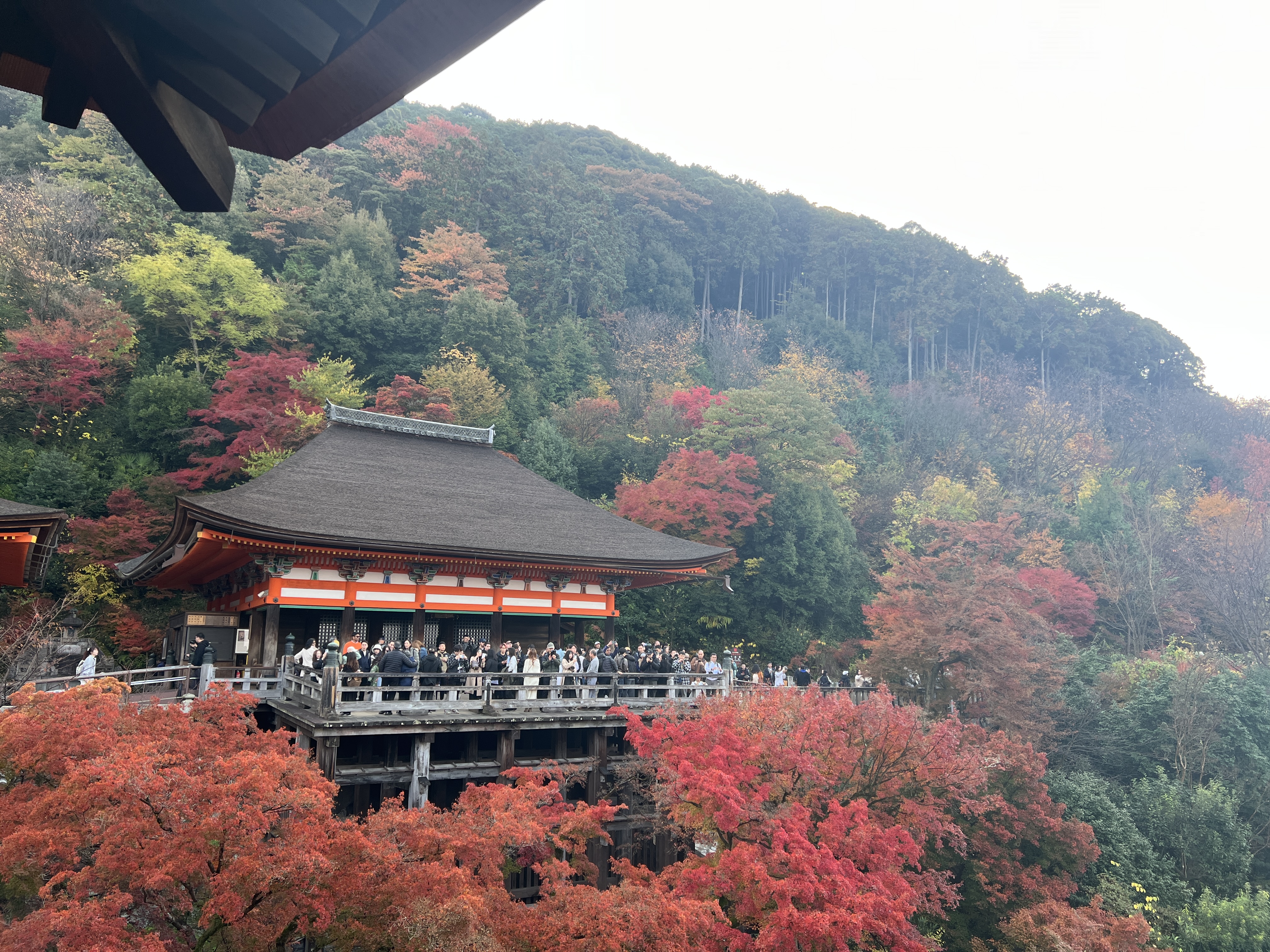
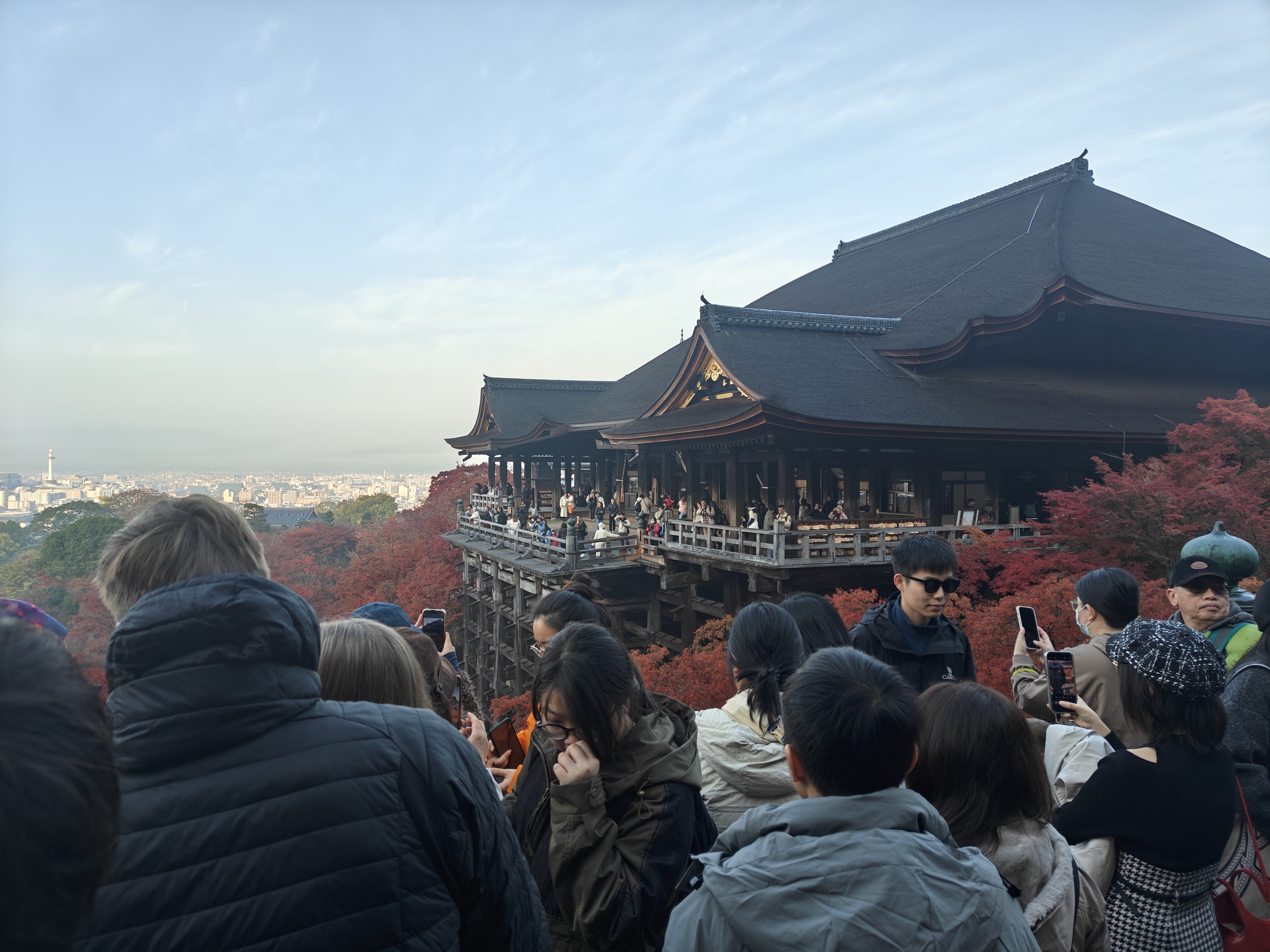
Entry to Kiyomizu-dera costs 500 yen, but unfortunately, the main deity shrine was closed for maintenance that day. The autumn leaves here are very vibrant, giving a “Tang red love song” vibe, but after the intense walking the past two days and today’s early start, I was really exhausted.
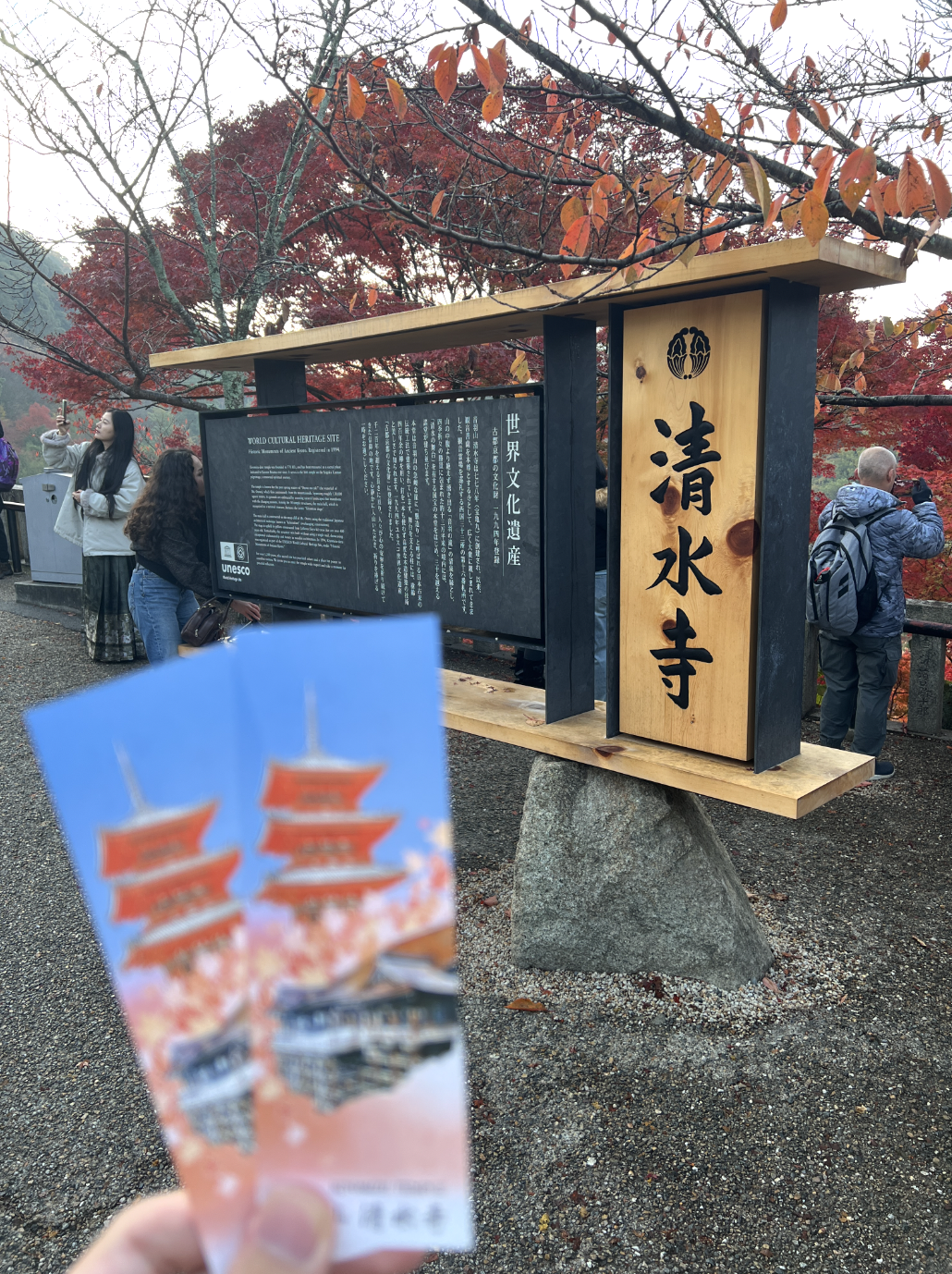
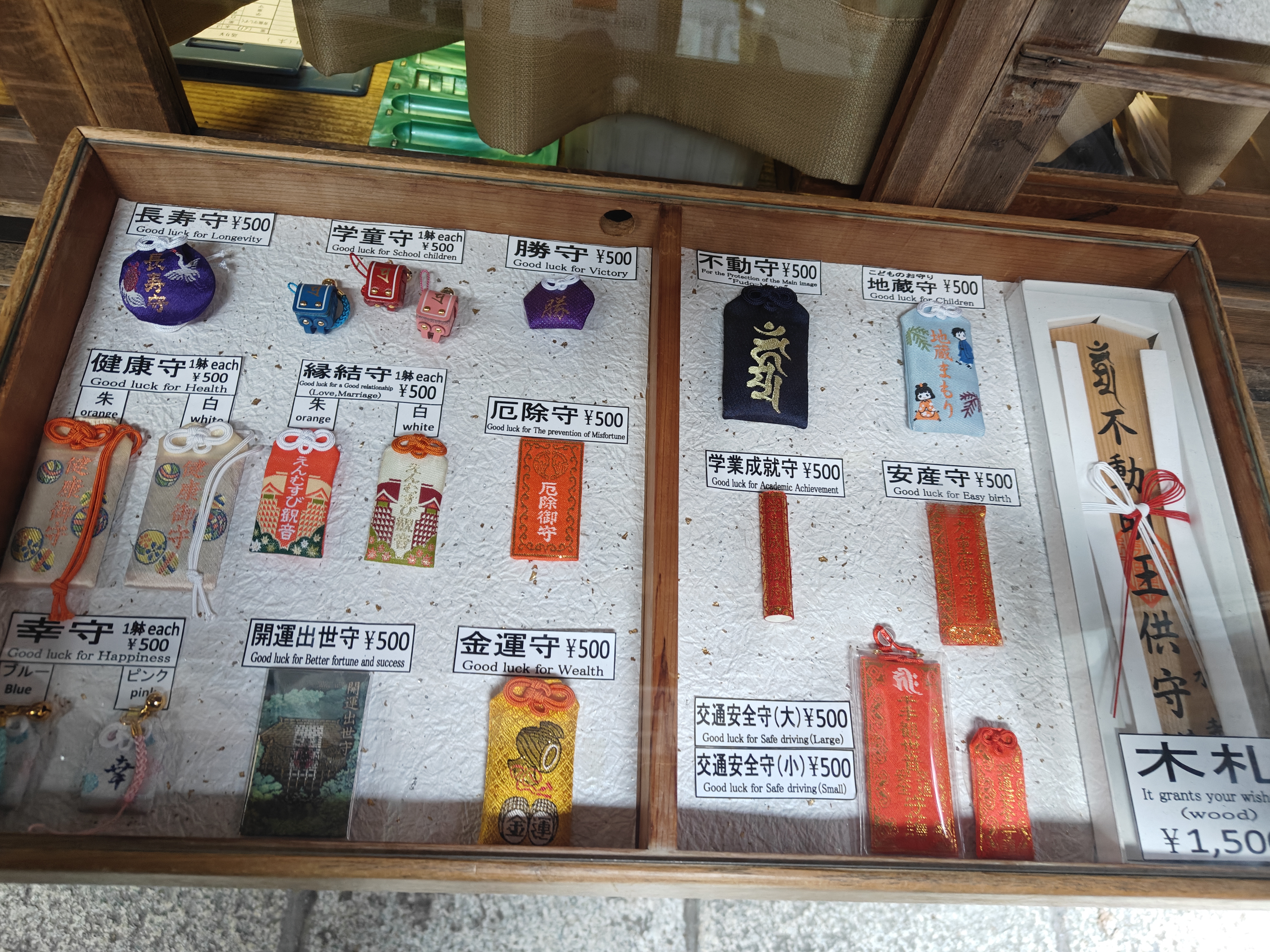
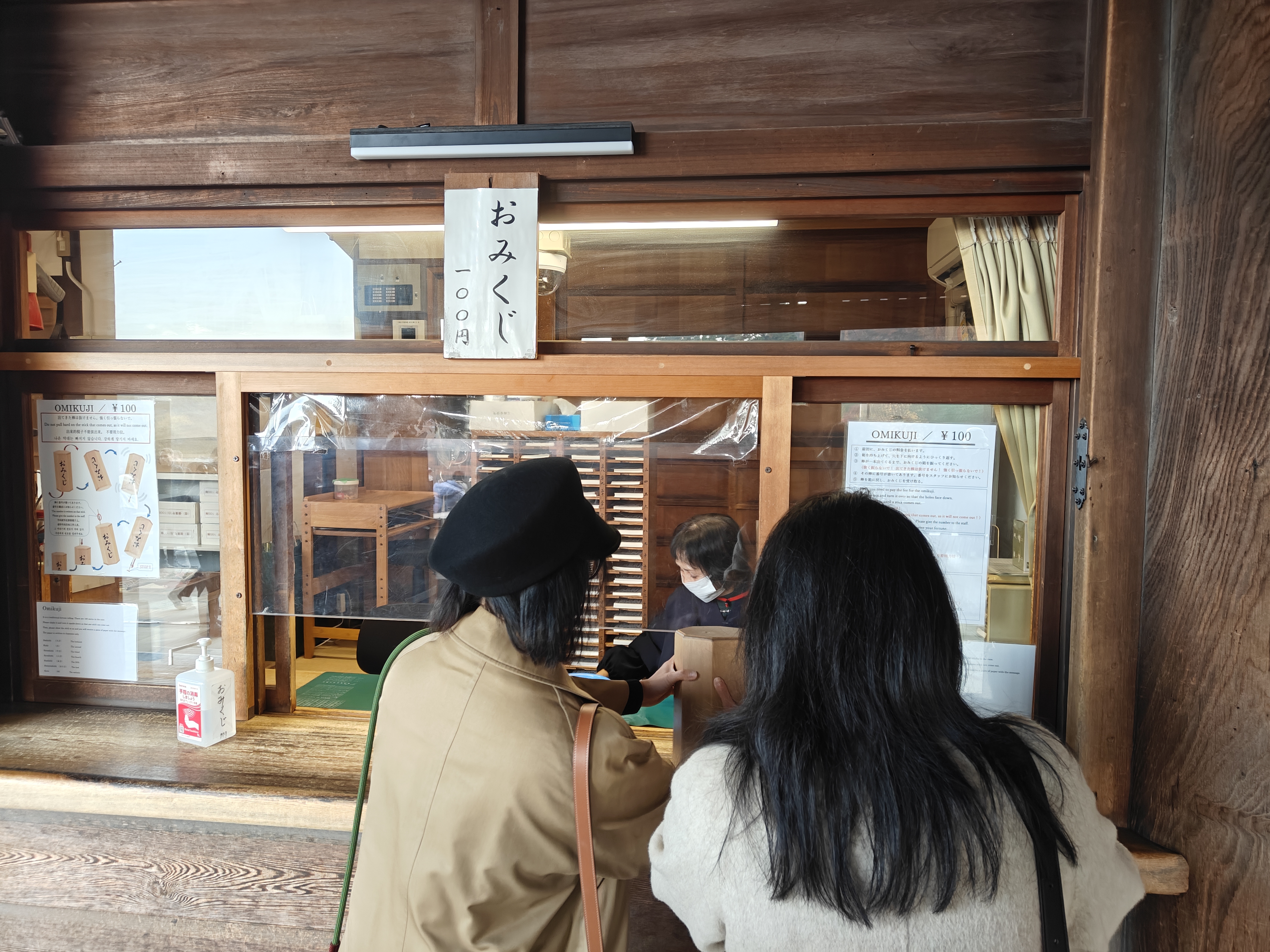
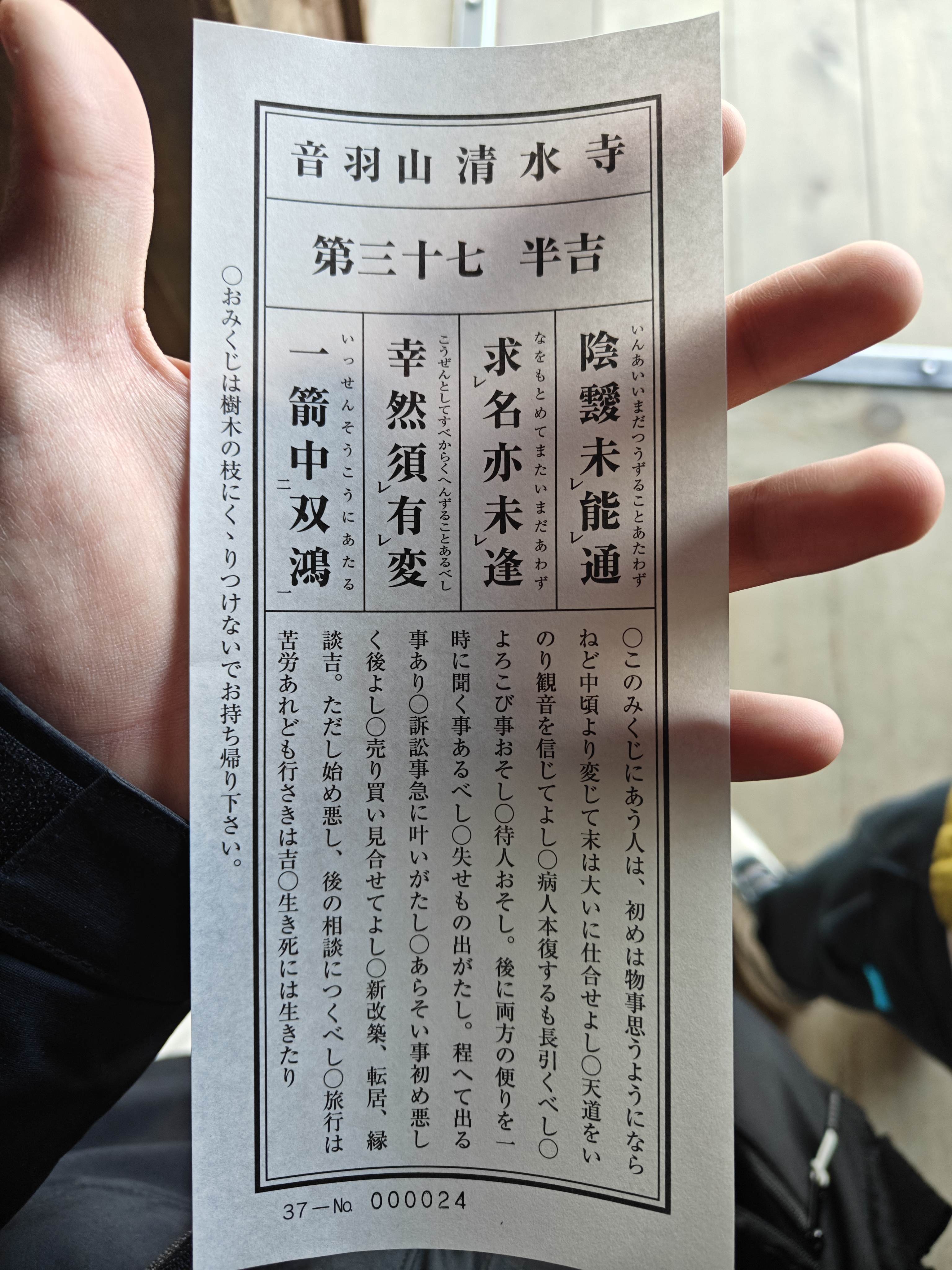
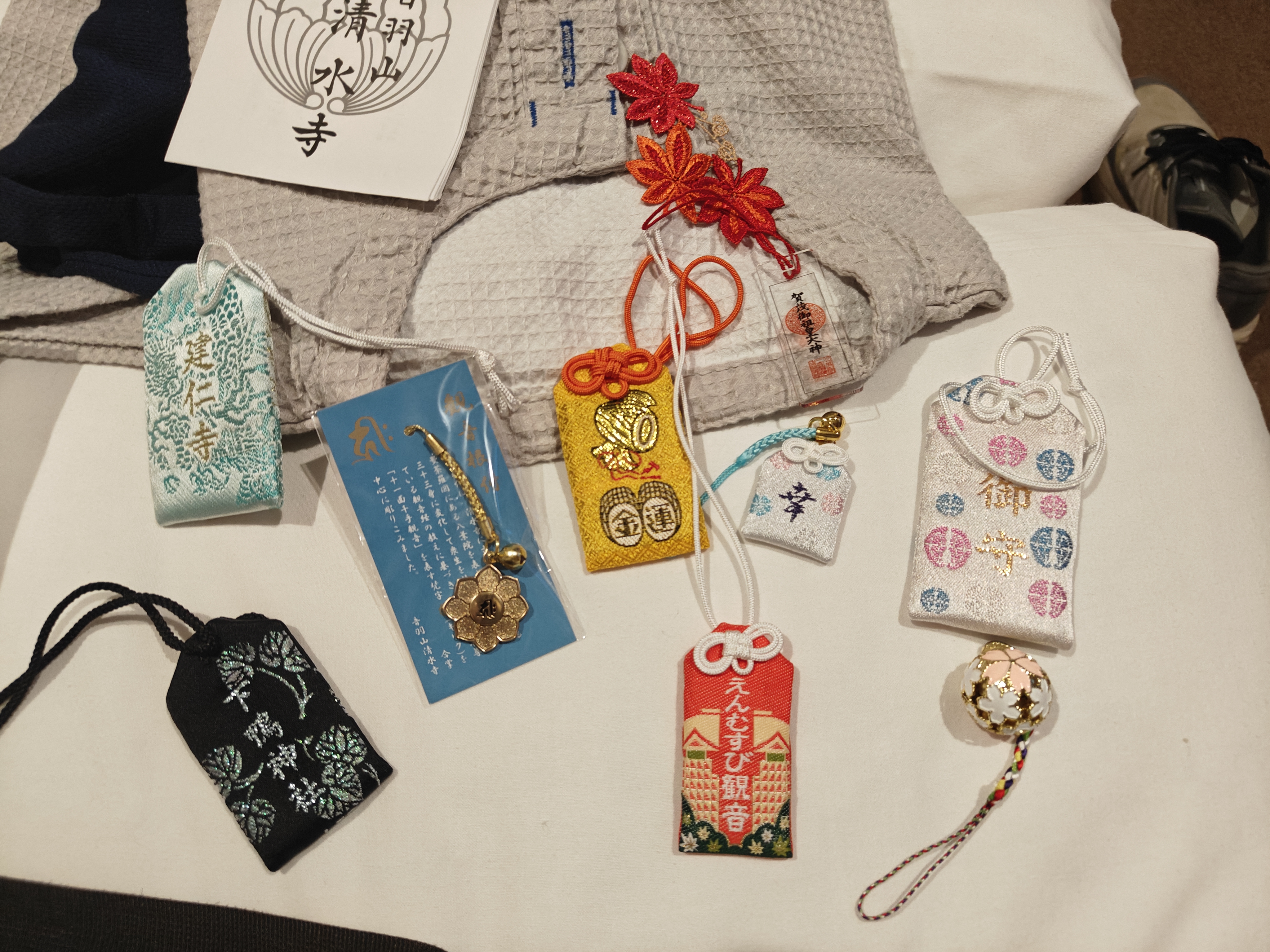
Around 8 a.m., the sales window for amulets and omikuji (fortune slips) opens. I bought lucky cherry bells, gold fortune charms, protective amulets, love charms, and happiness charms (activated the strange charm button, but I really liked these little trinkets, and they laid the groundwork for buying various charms later). Then drew a 100-yen omikuji, which turned out to be a half-kichi (semi-good luck).
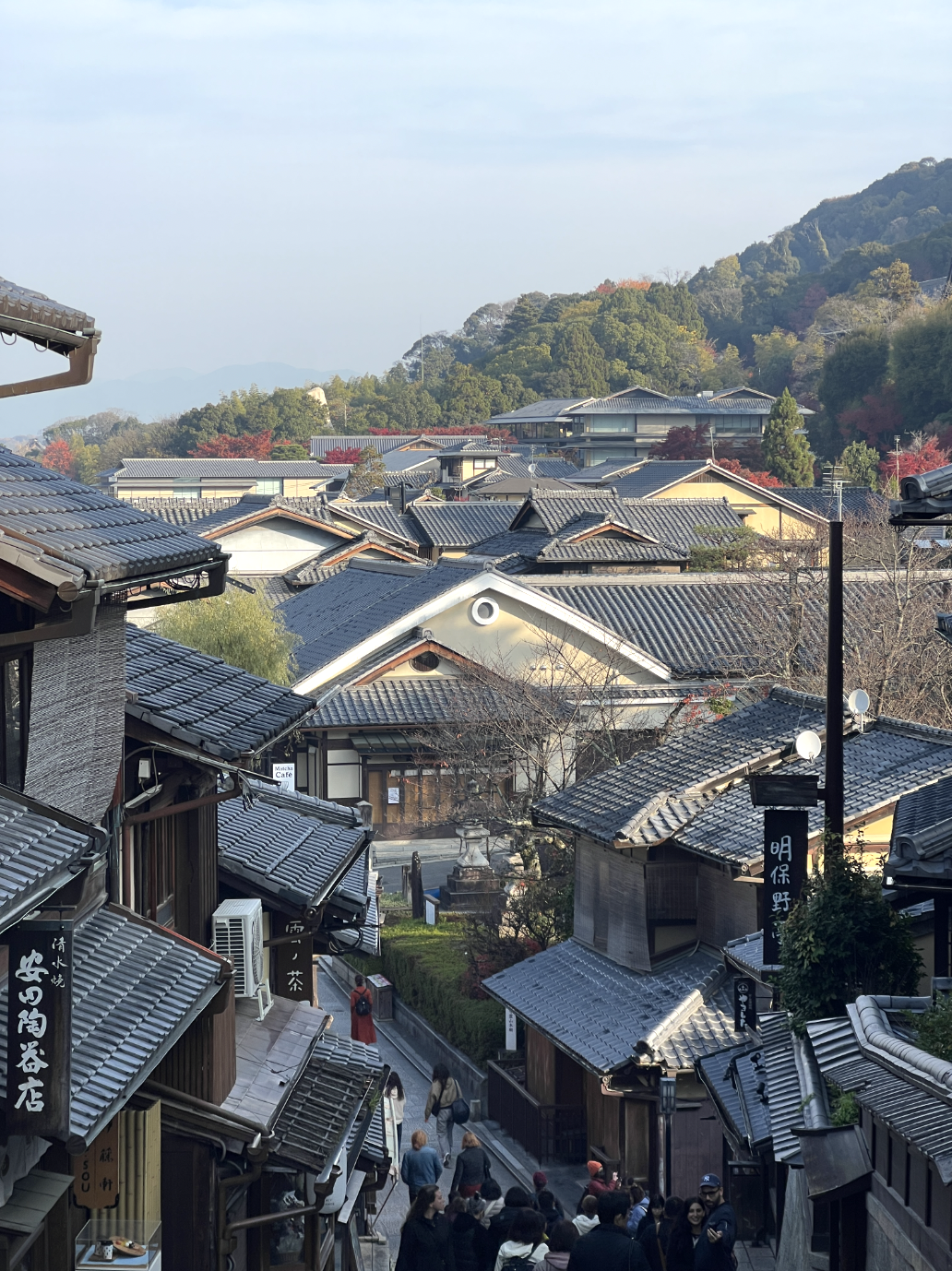
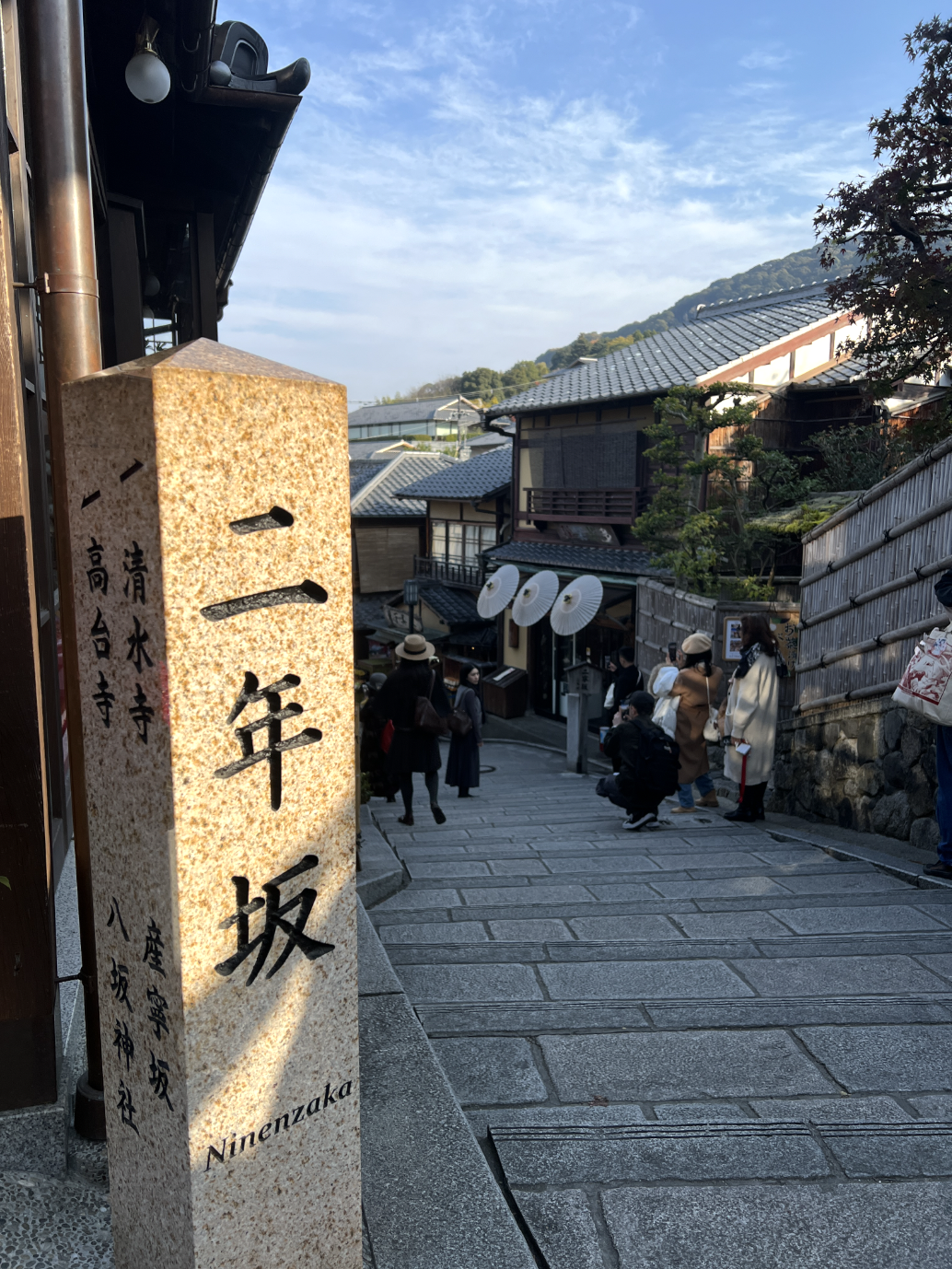
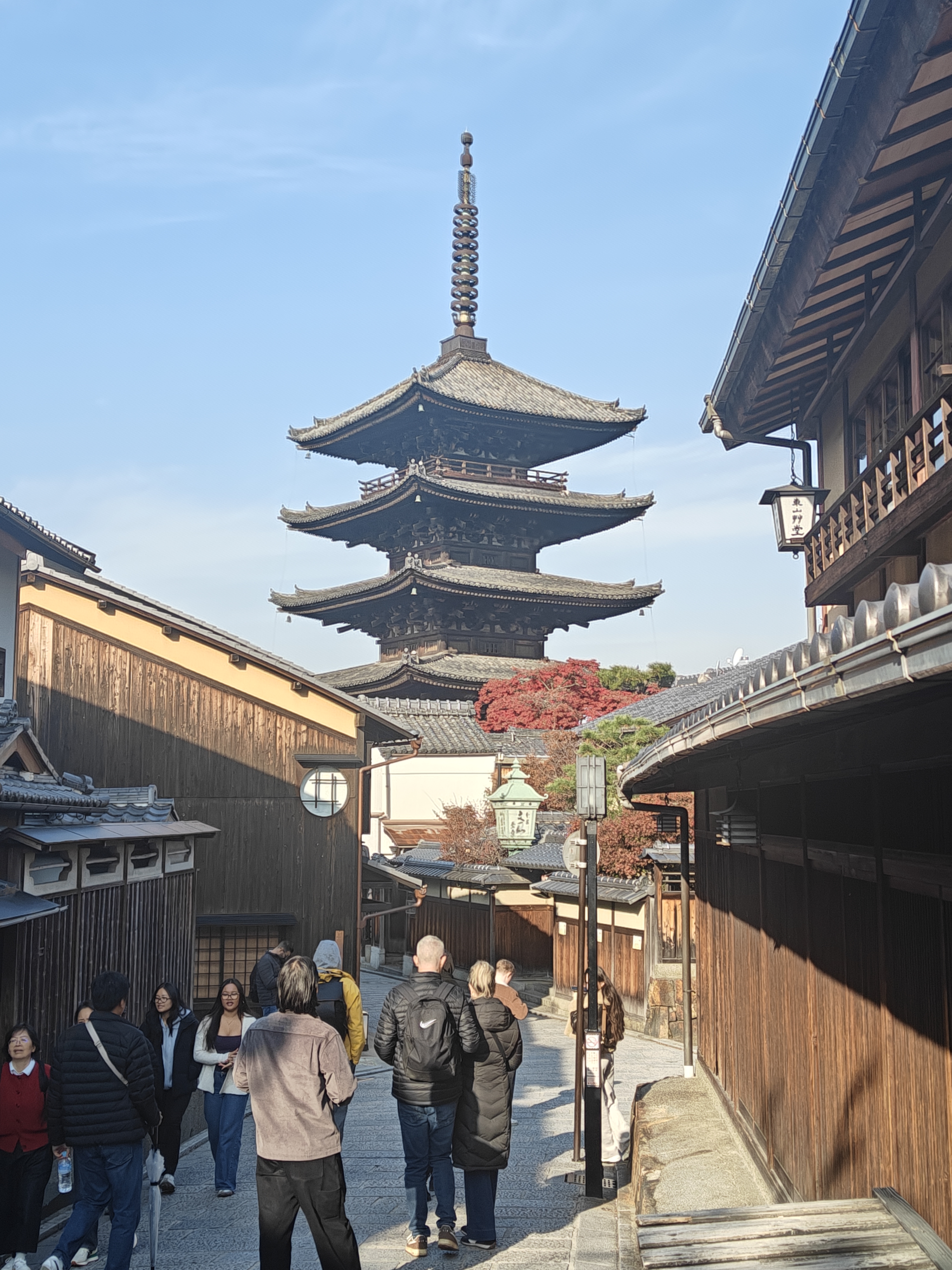
By around 8:30, I finished visiting Kiyomizu-dera. Then strolled through Ninenzaka and Sannenzaka, but it was still too early, most shops hadn’t opened yet. There’s a very Japanese-style Starbucks here, but it was crowded with white people.
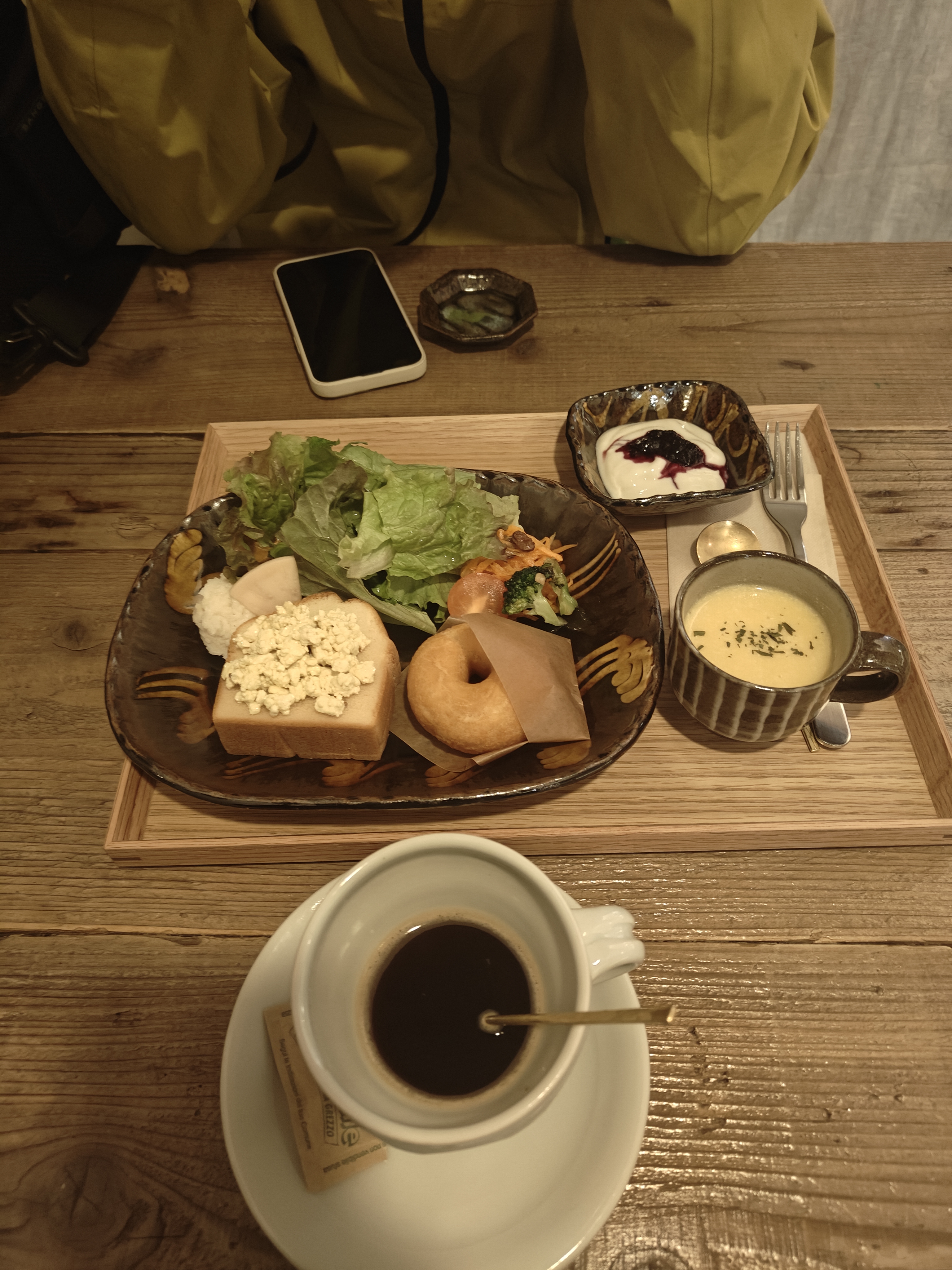
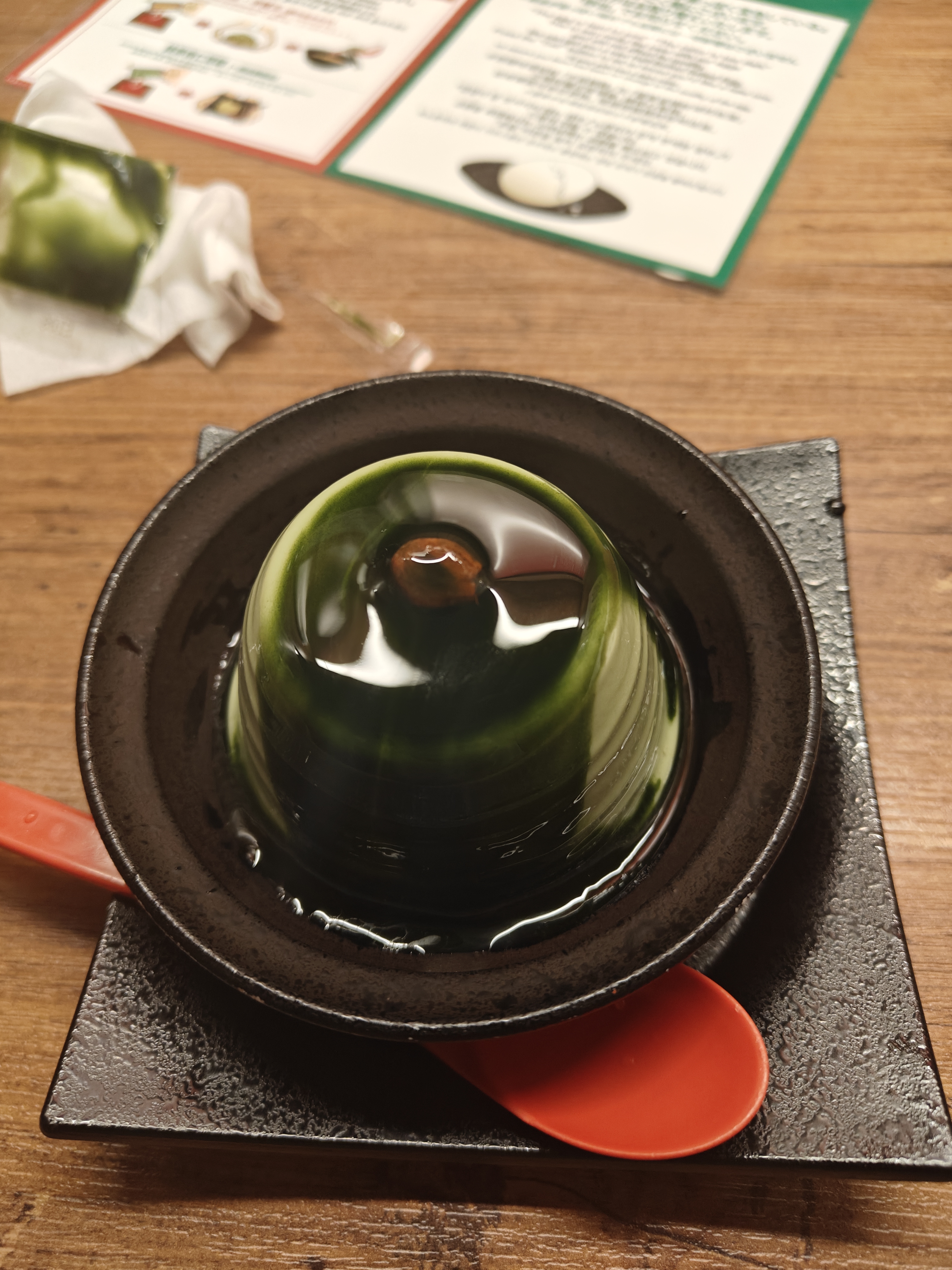
Feeling very hungry and tired, I looked for a place to sit and rest. I randomly chose a café called Teshigoto no Mise Mokumoku and ordered a brunch coffee set, but… as shown in the picture, it was not tasty at all, not recommended.
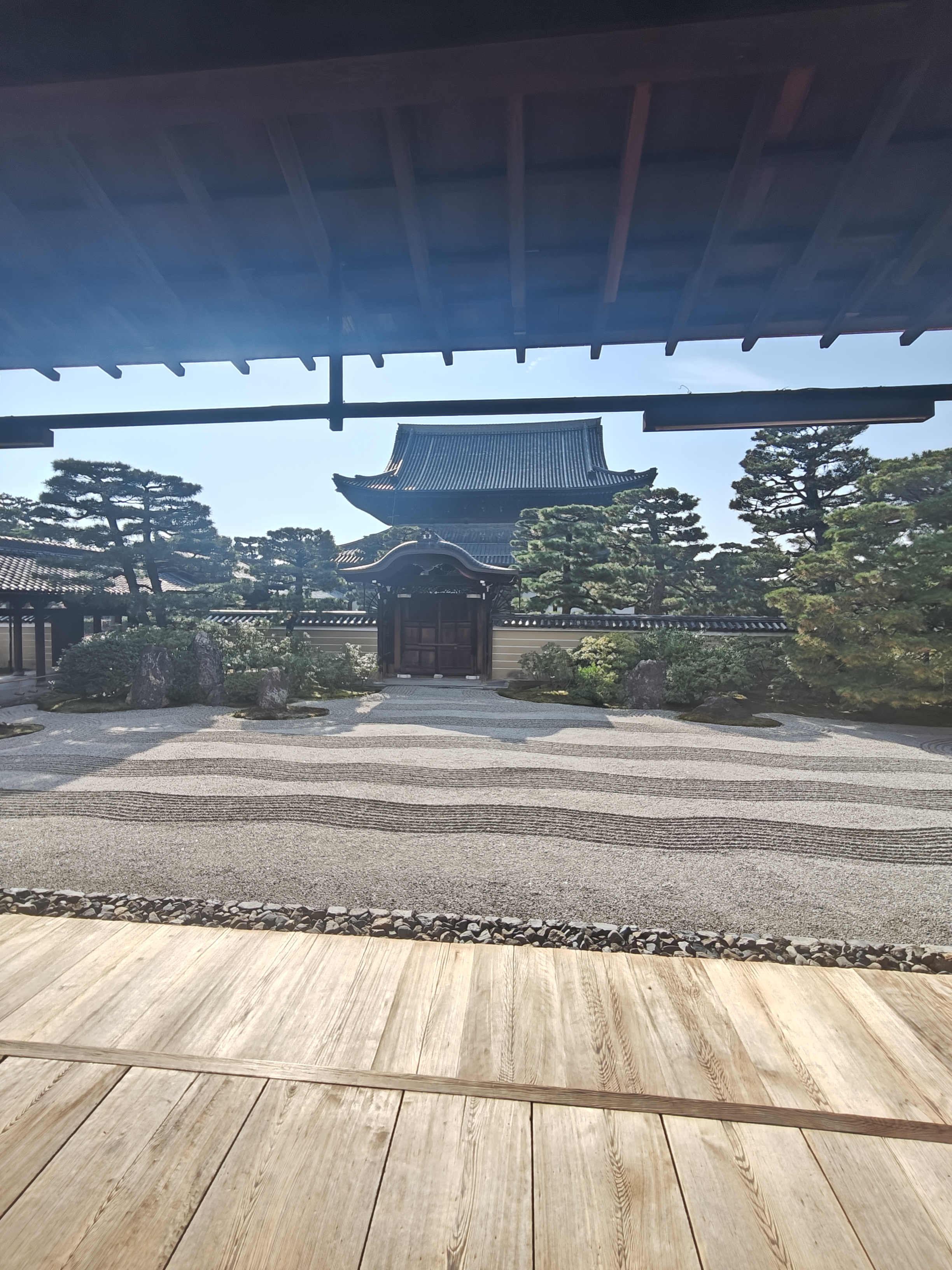
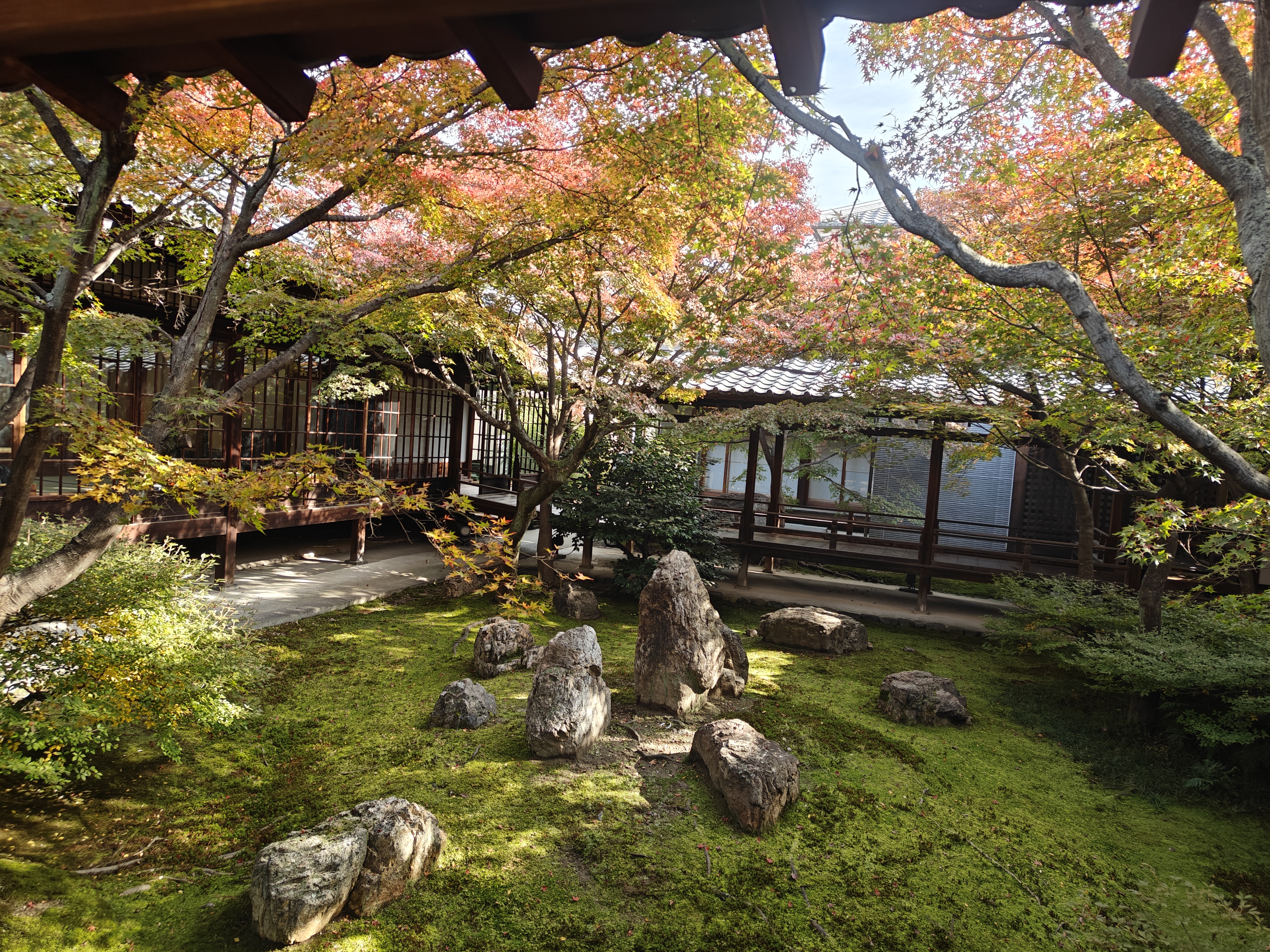
Too exhausted to walk further to Yasaka Shrine, I instead visited Kennin-ji, which is along Hanami-koji Street. Since I arrived quite early, Hanami-koji was very quiet, many shops hadn’t opened yet. Kennin-ji costs 800 yen, requires removing shoes, and the floors are cold and icy, but warmed up where the sun shone. Sitting in the courtyard, the scenery was very peaceful, and the garden was beautifully landscaped.
By the way, Kennin-ji’s toilets are extremely clean and comfortable.
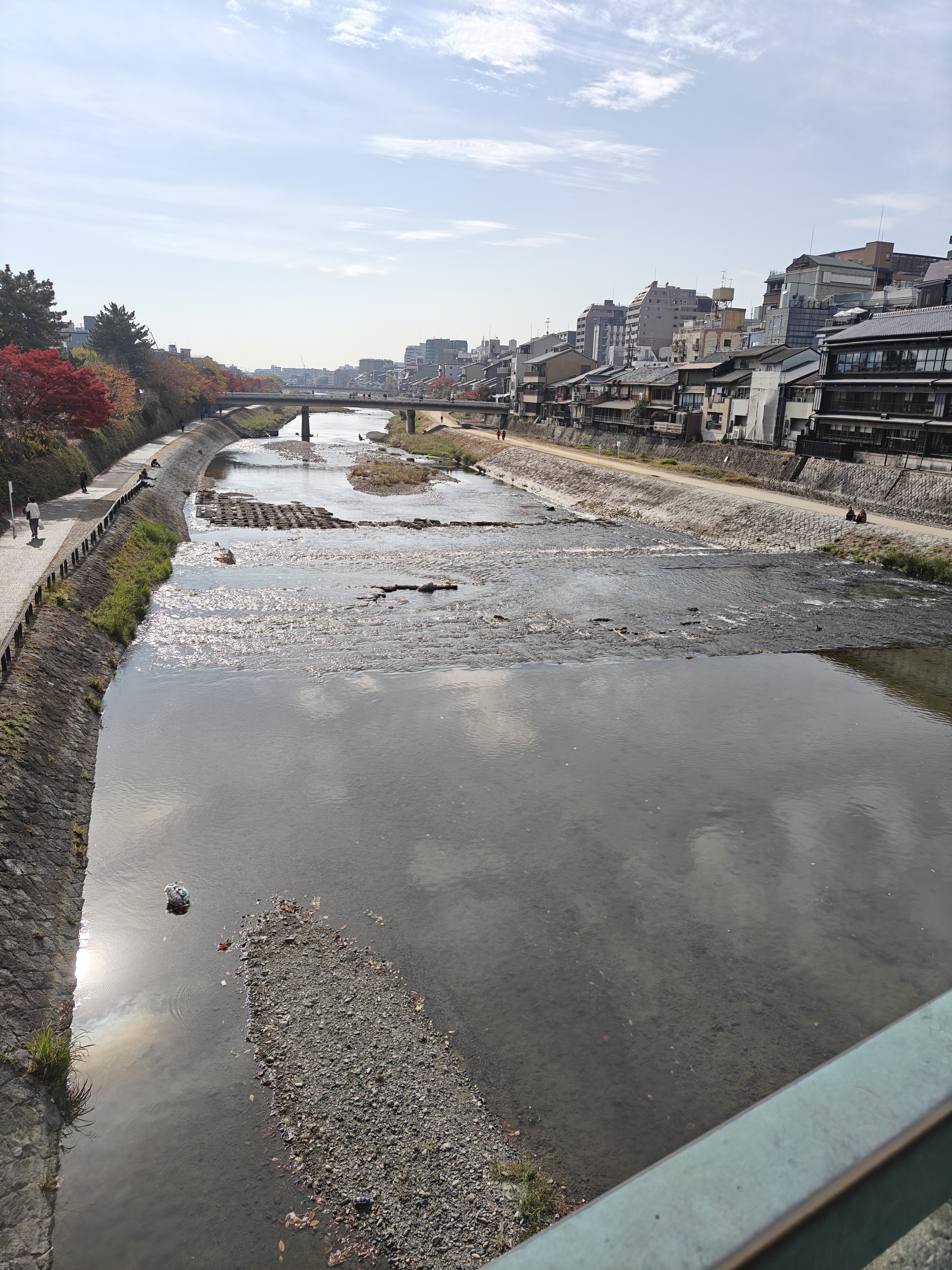
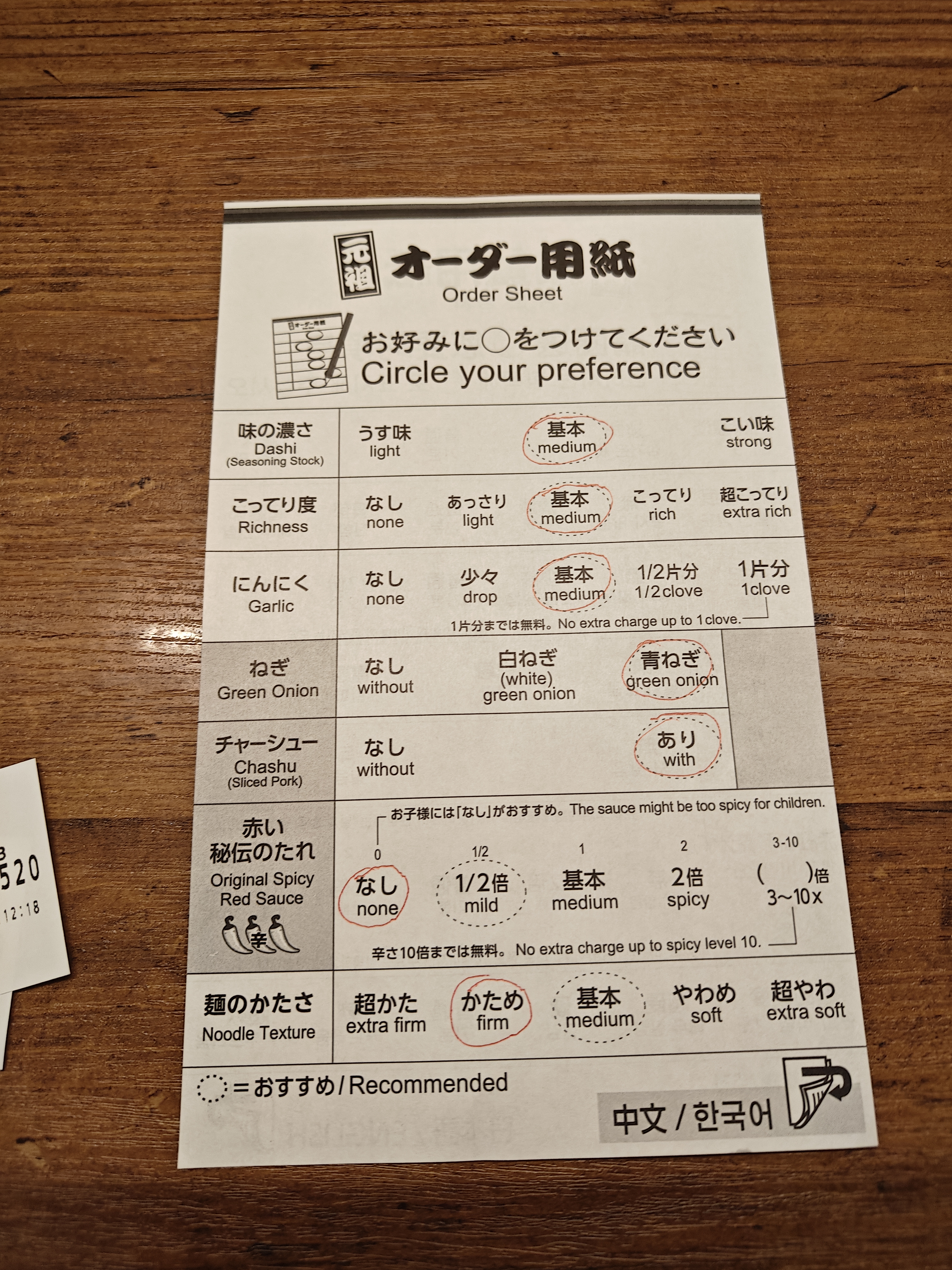
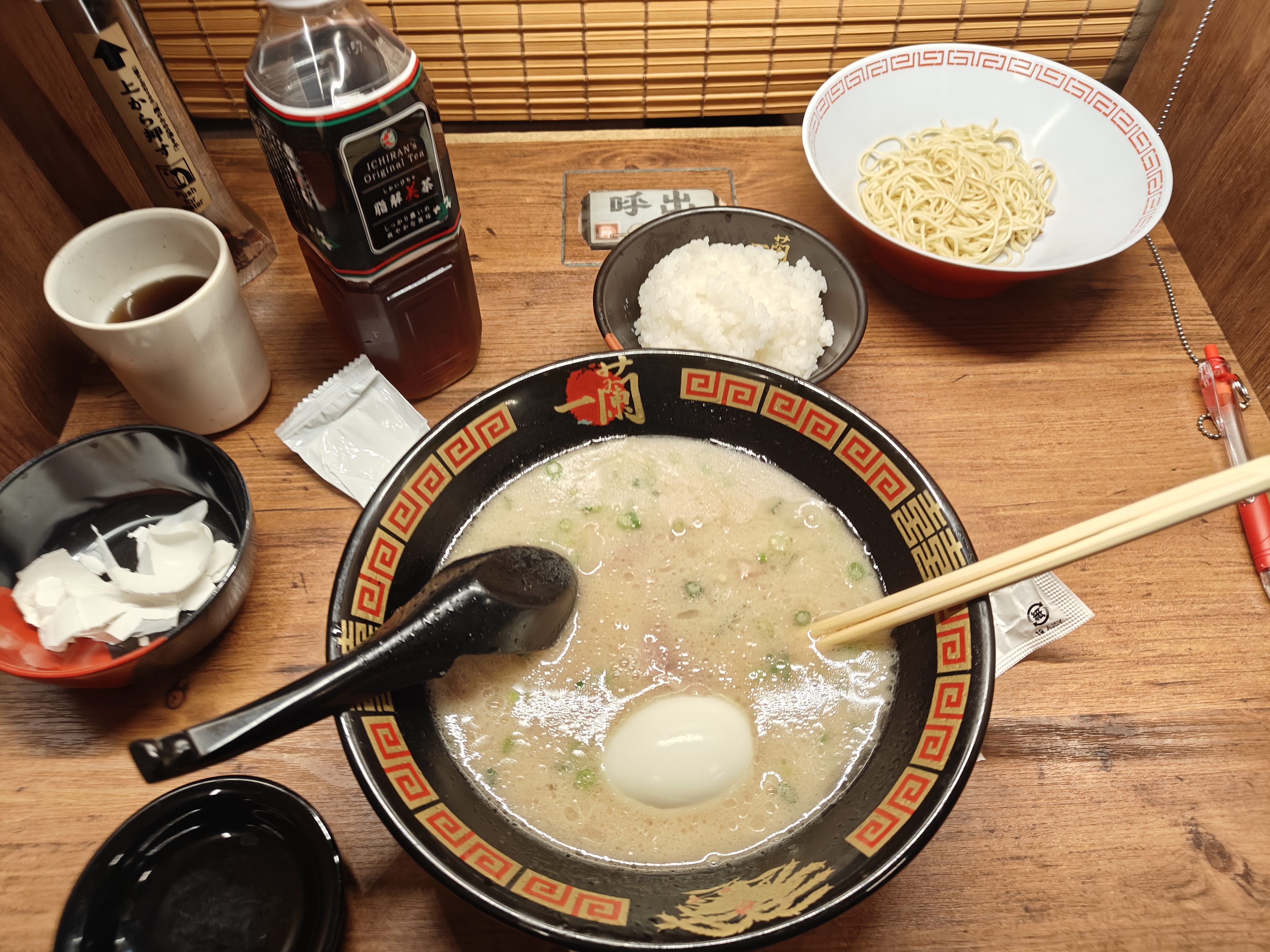
Next, I passed by the Kamo River and headed to Ichiran (Kyoto Kawaramachi branch) for the ramen I’ve been craving. Since it was my first time, I ordered conservatively via the vending machine: extra noodles, chashu, and shio (salt) flavored egg (but they didn’t give me the egg). Later, I added another egg and rice. Honestly, after finishing the ramen, using the leftover broth to make rice porridge was divine—an explosion of oil, salt, and carbs.
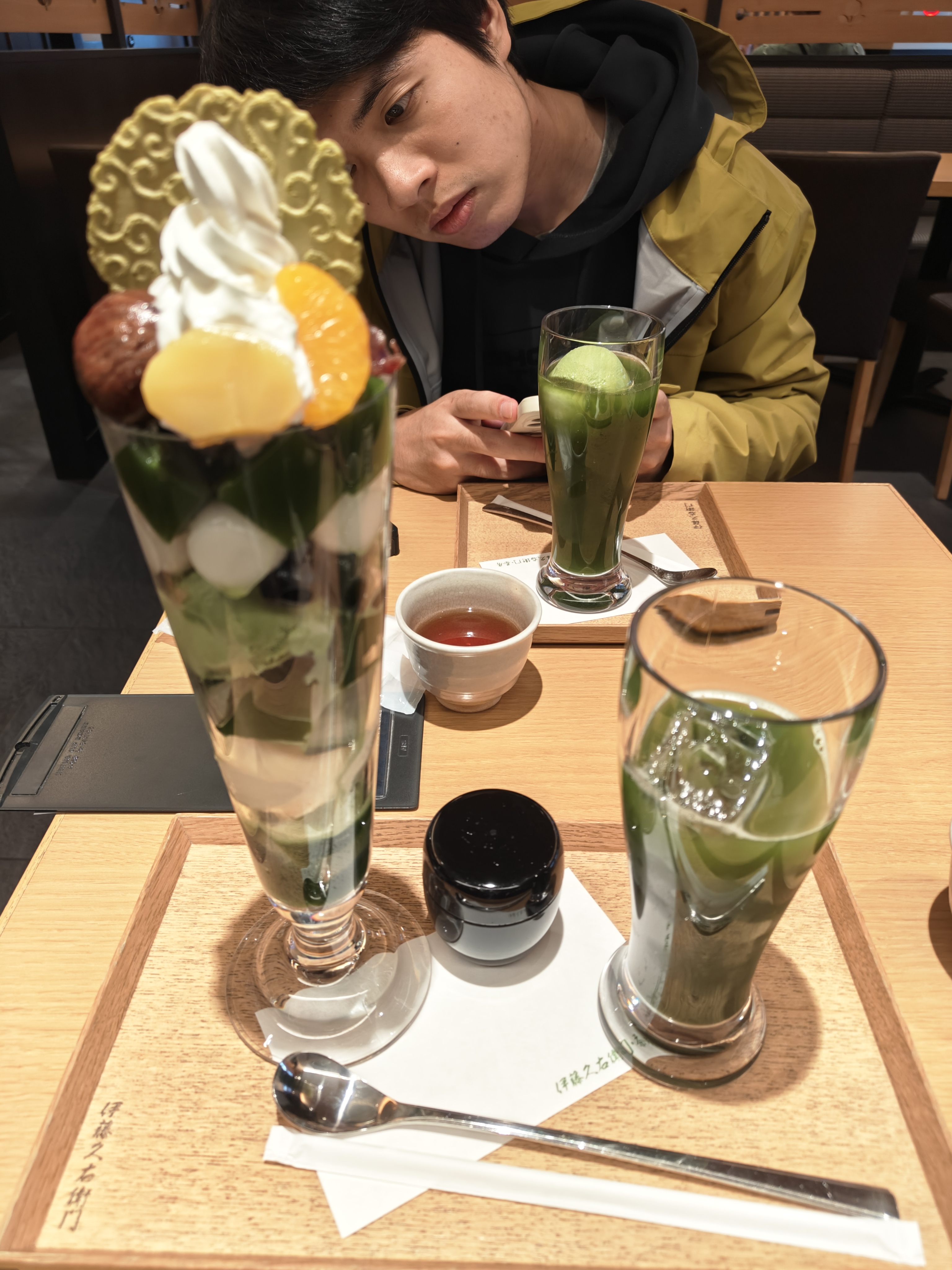
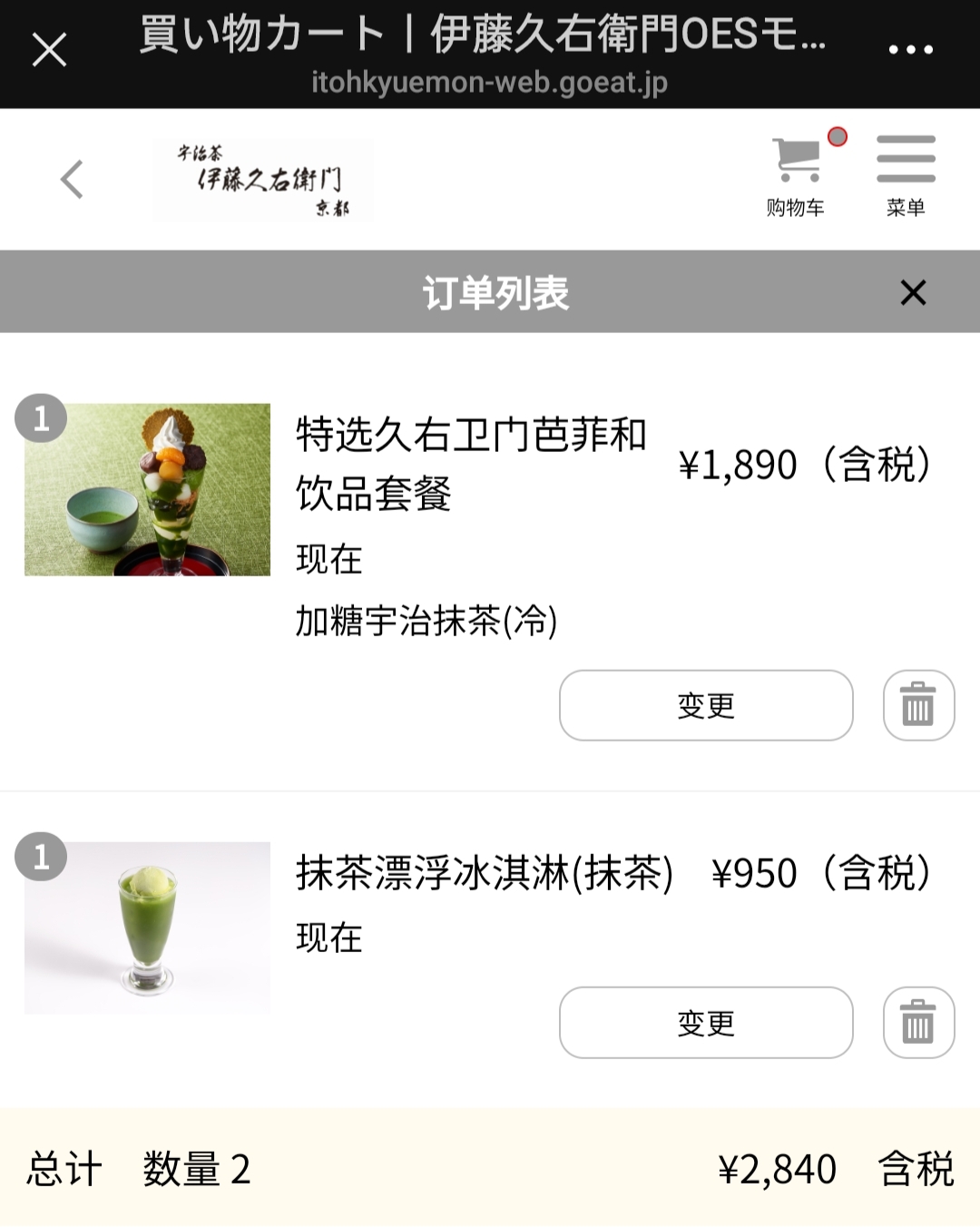
Then went to Itohkyuemon (Gion Shijo branch) for desserts and souvenirs. This shop is similar to the Uji branch. As souvenirs, I started enjoying various matcha treats after returning home, all very satisfying. I personally liked Tsujiri Kyoto Lang (like a white chocolate matcha version), Tsujiri rusk, and Itohkyuemon Chayugetsu. They support tax-free shopping, and after purchase, they give a dessert voucher to use upstairs (though we ate upstairs before shopping).
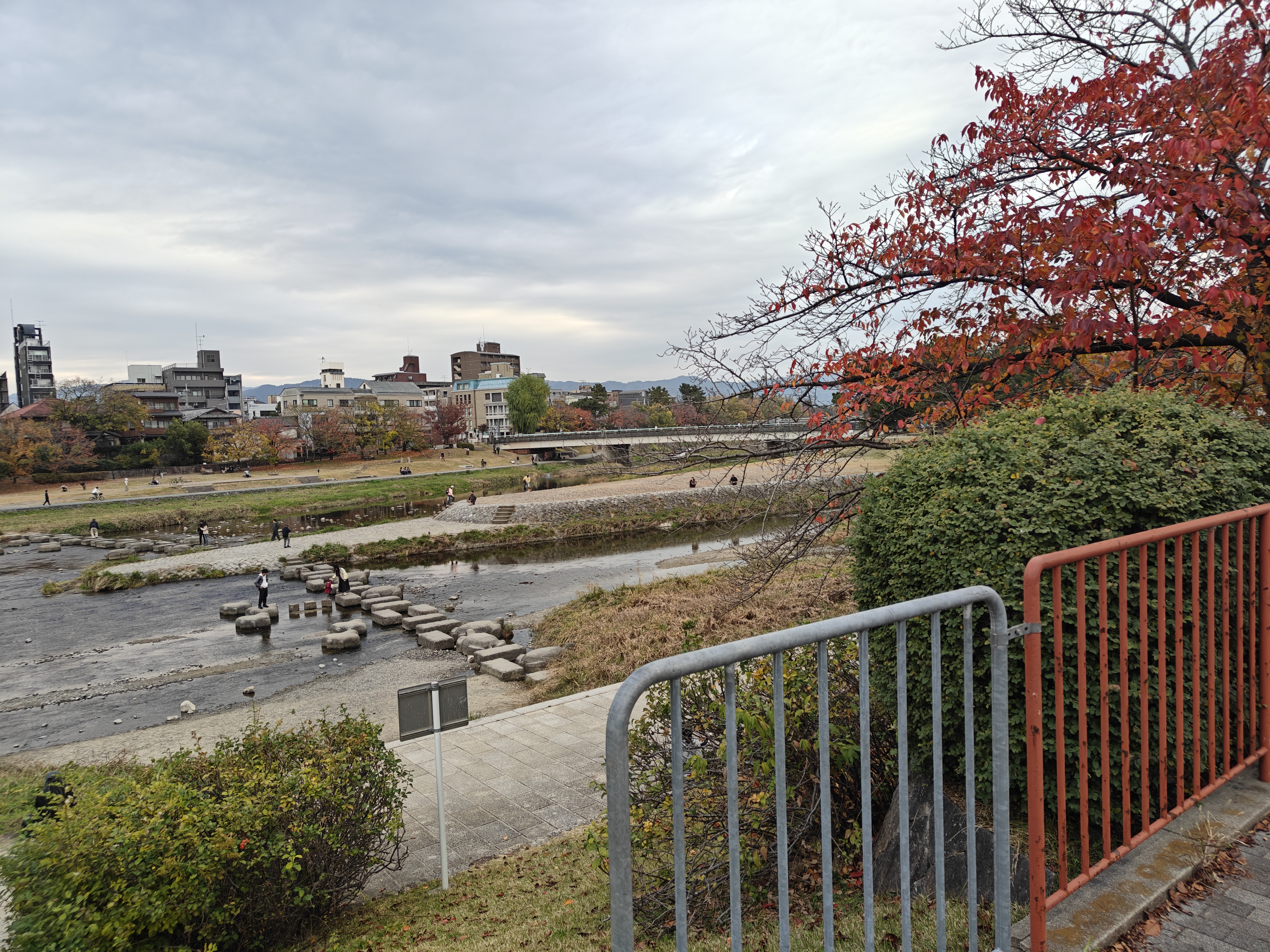
Next, took the Keihan Main Line to Demachiyanagi Station, then about a 10-minute walk to Shimogamo Shrine, passing through Kamo River Delta, Kamo River Park, and Kamo Shrine. Shimogamo Shrine is my favorite shrine on this trip—unfortunately, many scenes are in action (not nearby), so I’ll upload photos again when I have time. Bought a beautiful seasonal red leaf 🍁 charm here!
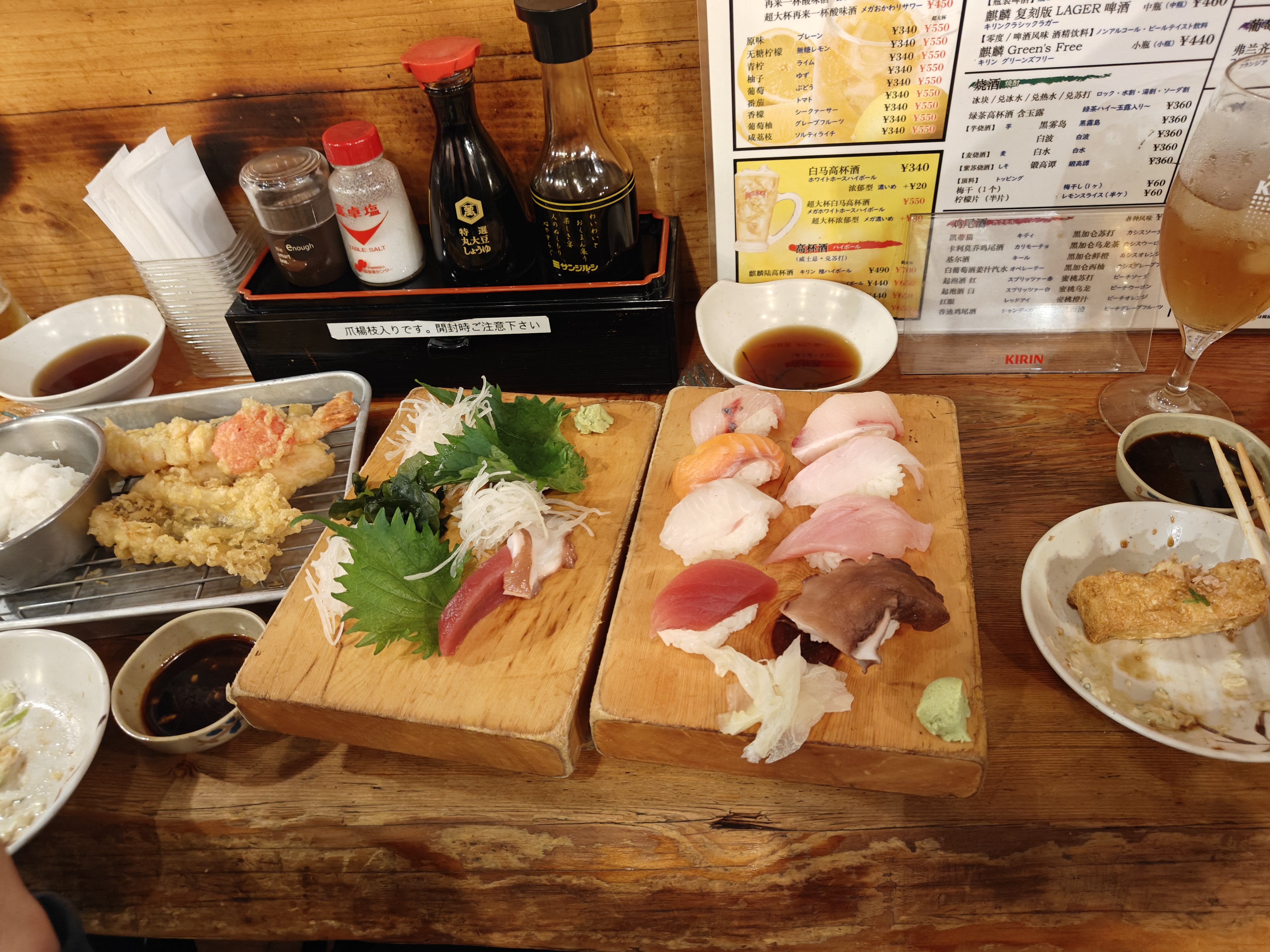
In the evening, took the Keihan Main Line back home. After returning to the hotel, I found a well-rated izakaya nearby (Umi no Yatai Okuman Nishi Honmachi). The owner was very enthusiastic, and a neighboring table was a very talkative Japanese student studying abroad, telling us this izakaya has great value for money. We ordered about ten dishes for around 5000 yen, and ate until full…
Day 4 - Hyogo
Today’s plan was to visit Hyogo Prefecture (mainly Himeji City and Kobe City). Since the schedule was quite packed, I got up very early and headed to Himeji. We took the Shinkansen to Nishimaeda, then transferred at Osaka Station to the Tokaido/Sanyo Line, passing through Kobe, Akashi, Kakogawa, and arriving at Himeji. Facing left on the train, you can clearly see the Seto Inland Sea and Akashi Kaikyo Bridge—spectacular. The one-way trip took about an hour and a half (1860 yen). Regrettably, I didn’t buy a mini JR pass; a round trip in one day would have paid off.
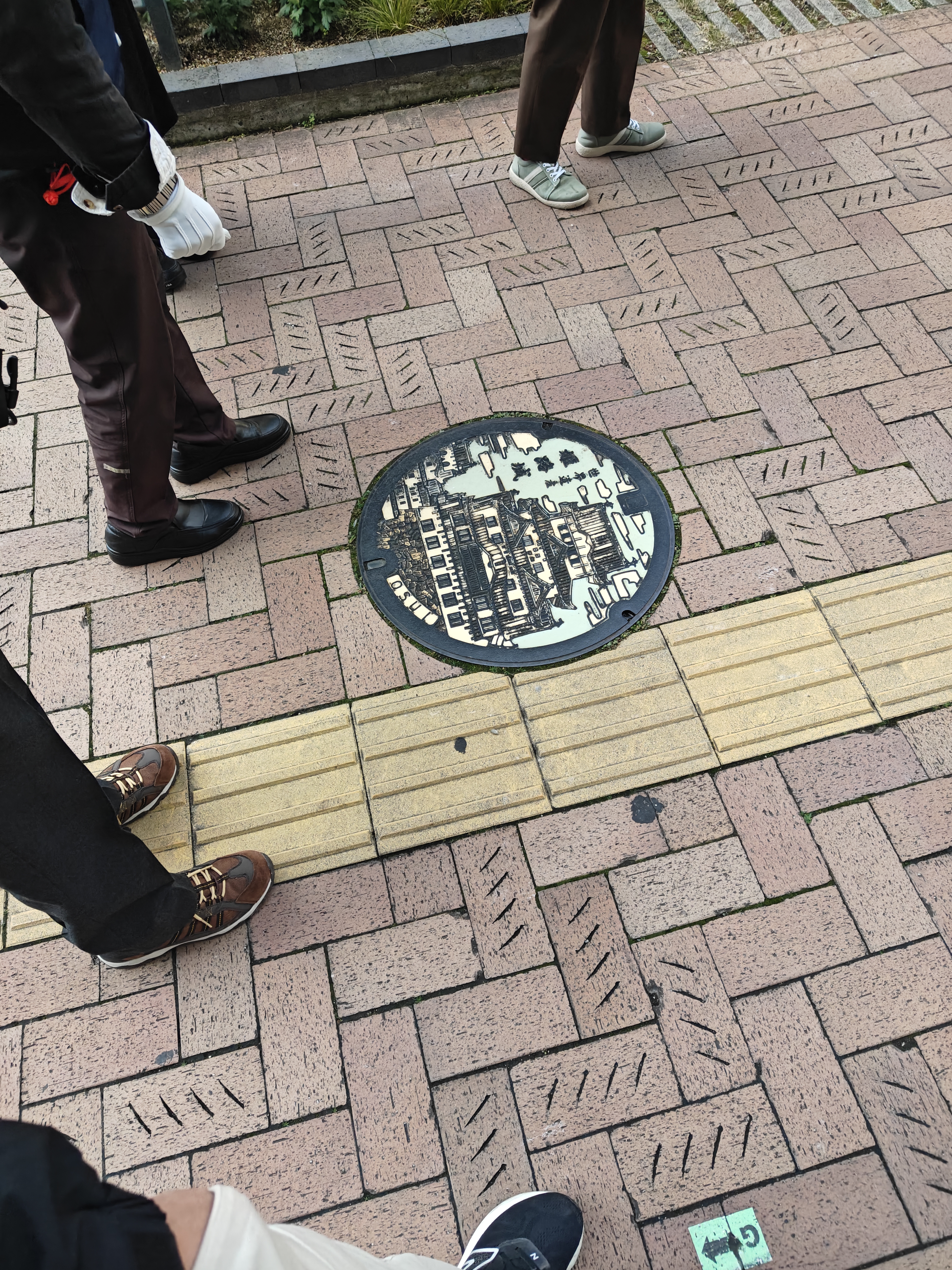
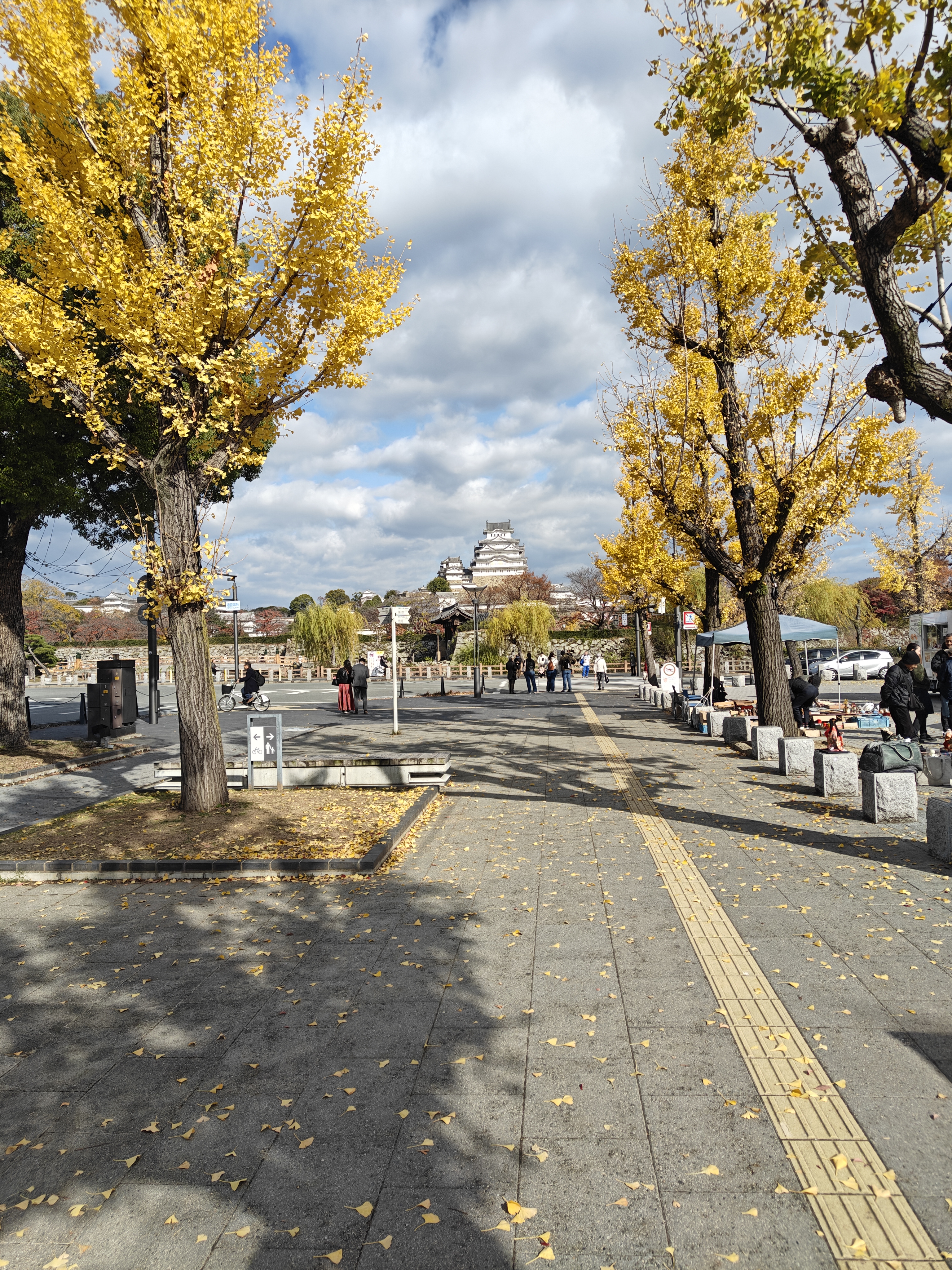
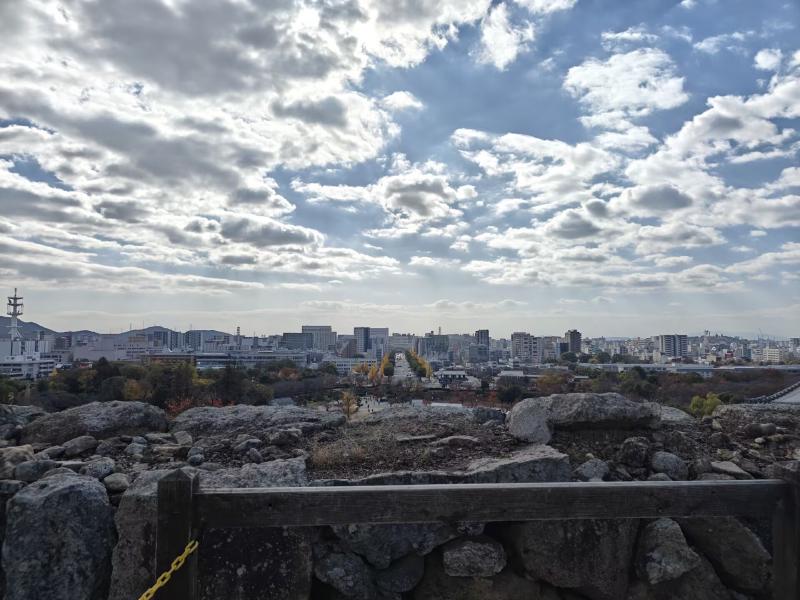
The weather was very good today. I got off at Himeji Station and walked straight to Himeji Castle, noticing many Himeji-style manhole covers along the street. When planning this Hyogo trip, I hesitated whether it was worth rushing from Osaka just to see Himeji Castle. But when I saw this UNESCO World Heritage site from afar, I was certain that the choice was right.
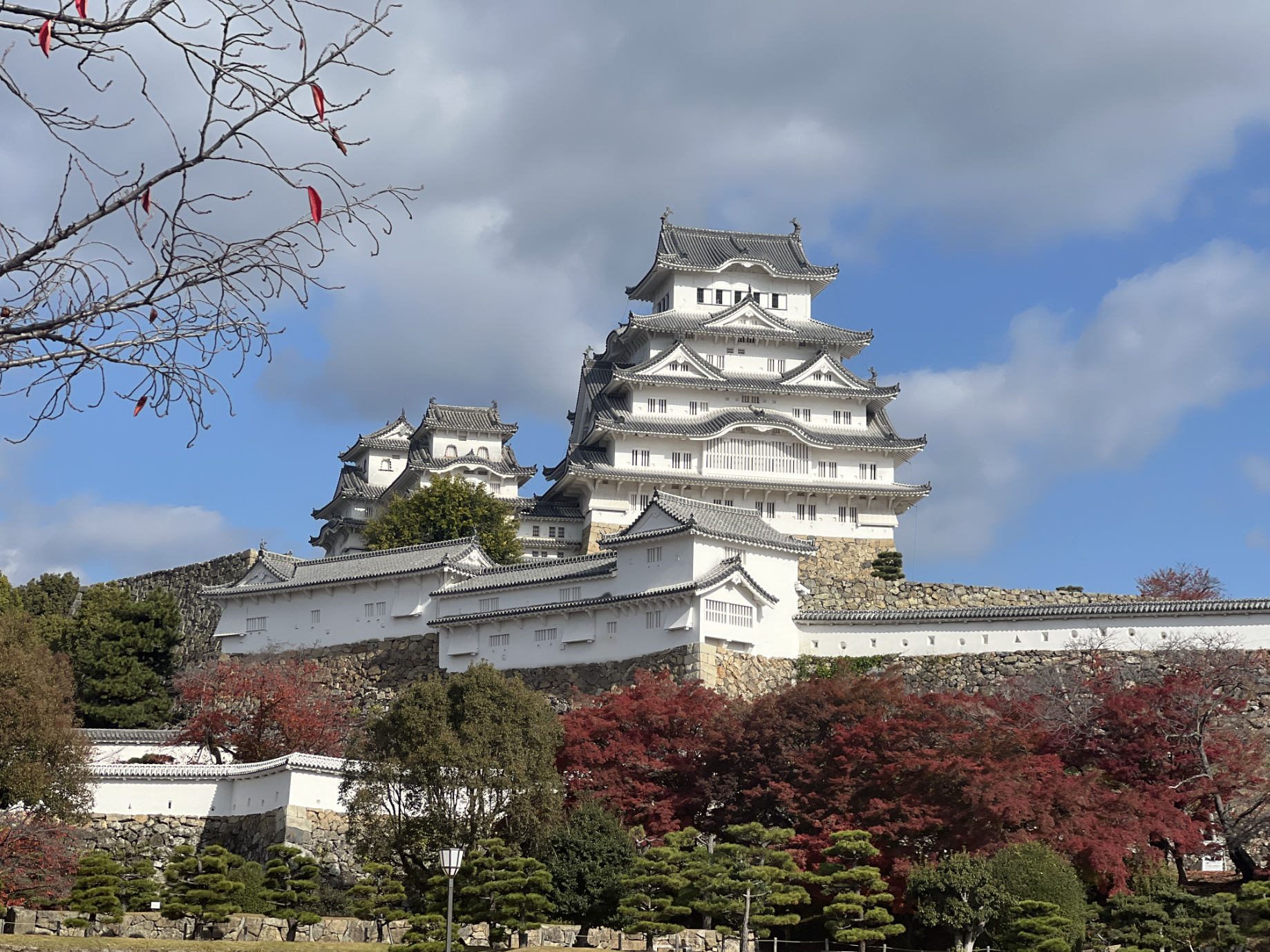
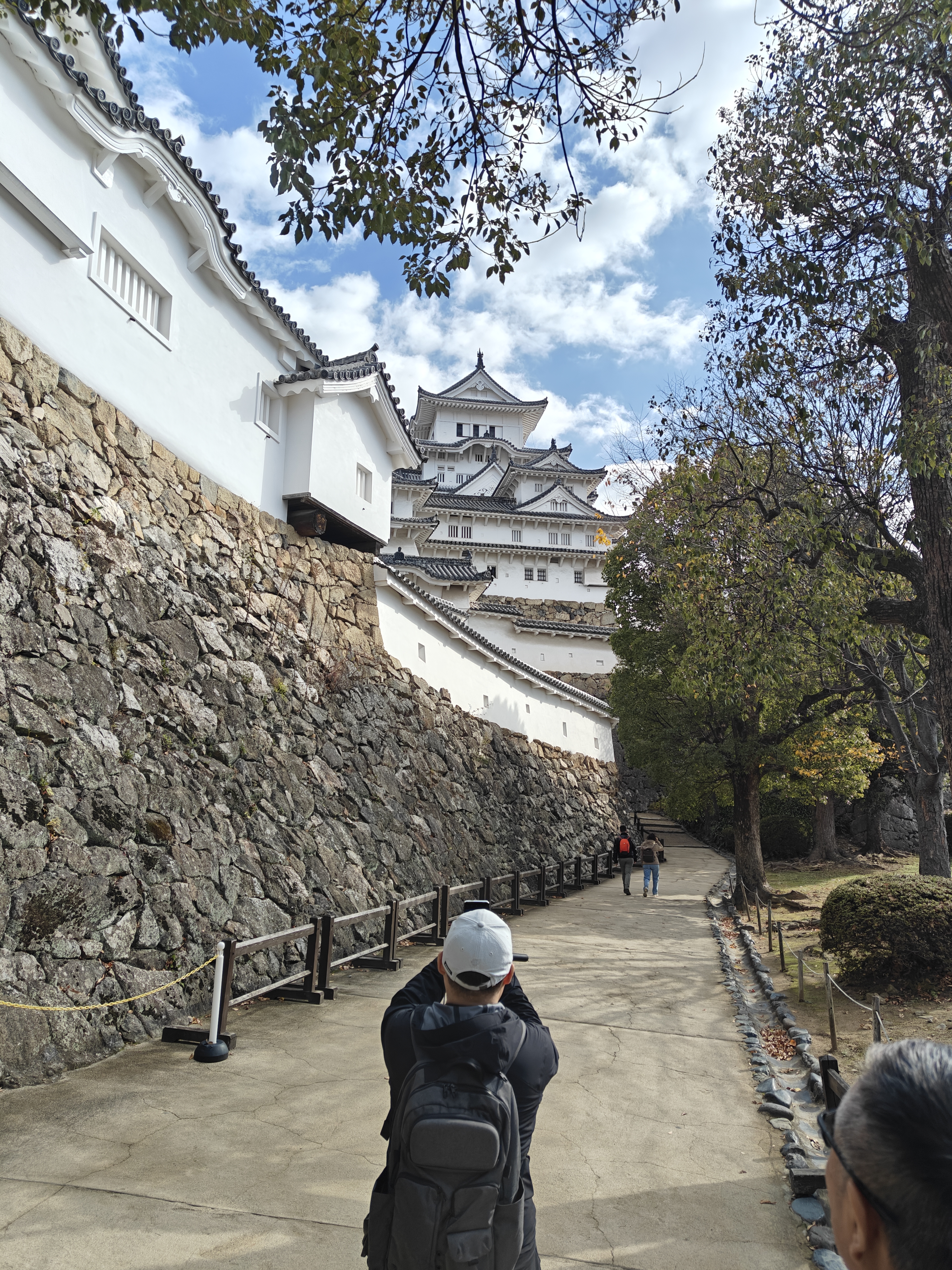
It somehow reminded me of Potala Palace in Lhasa—maybe because both are called “White Wall Cities.” The visiting routes are similar: walking through the buildings along a designated one-way route, but I believe the experience at Himeji Castle is much better. Entry costs 1000 yen (soon to increase to 2500 yen). We bought a combined ticket for Himeji Castle and Koko-en Garden (only an extra 50 yen).
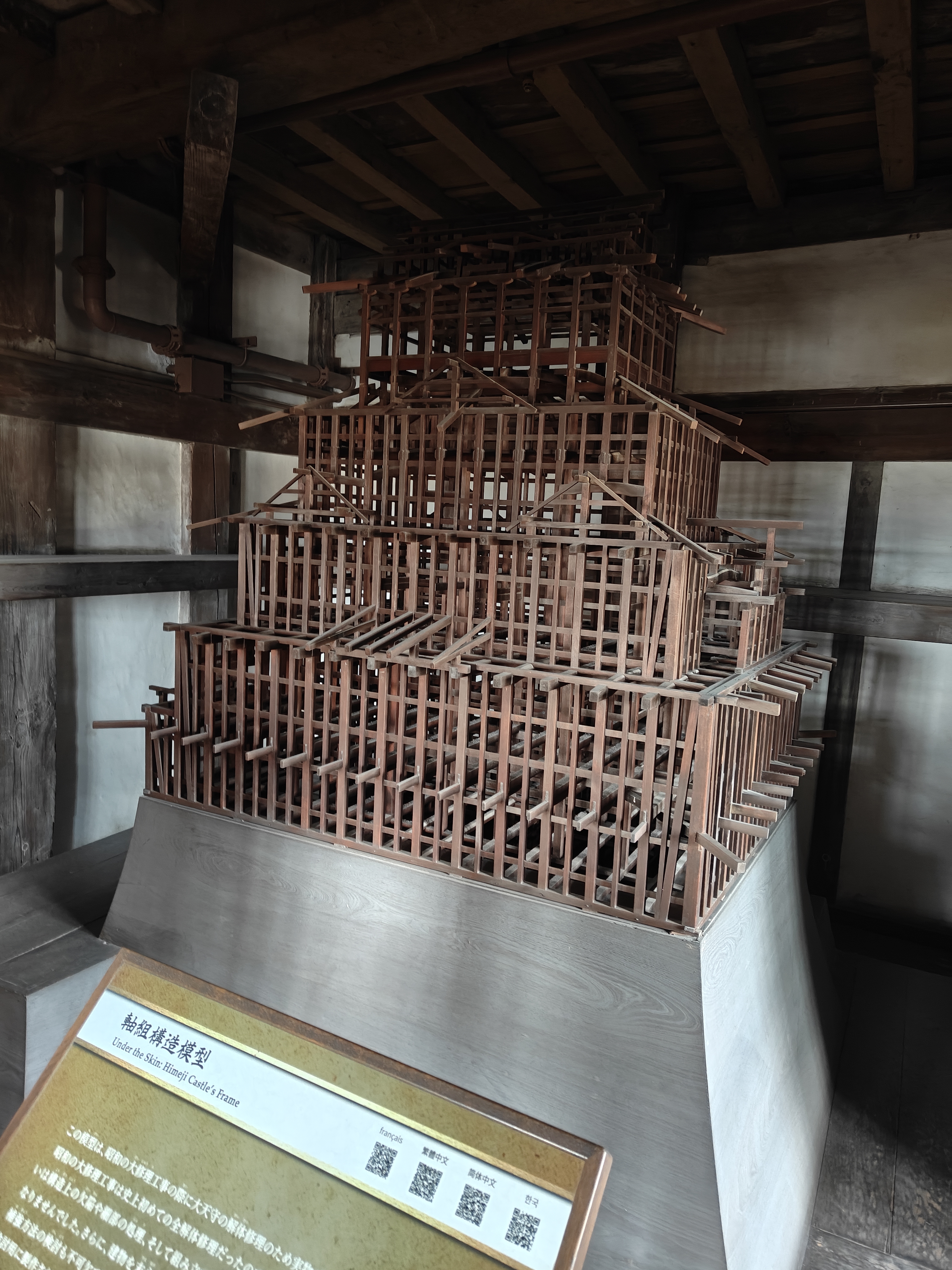
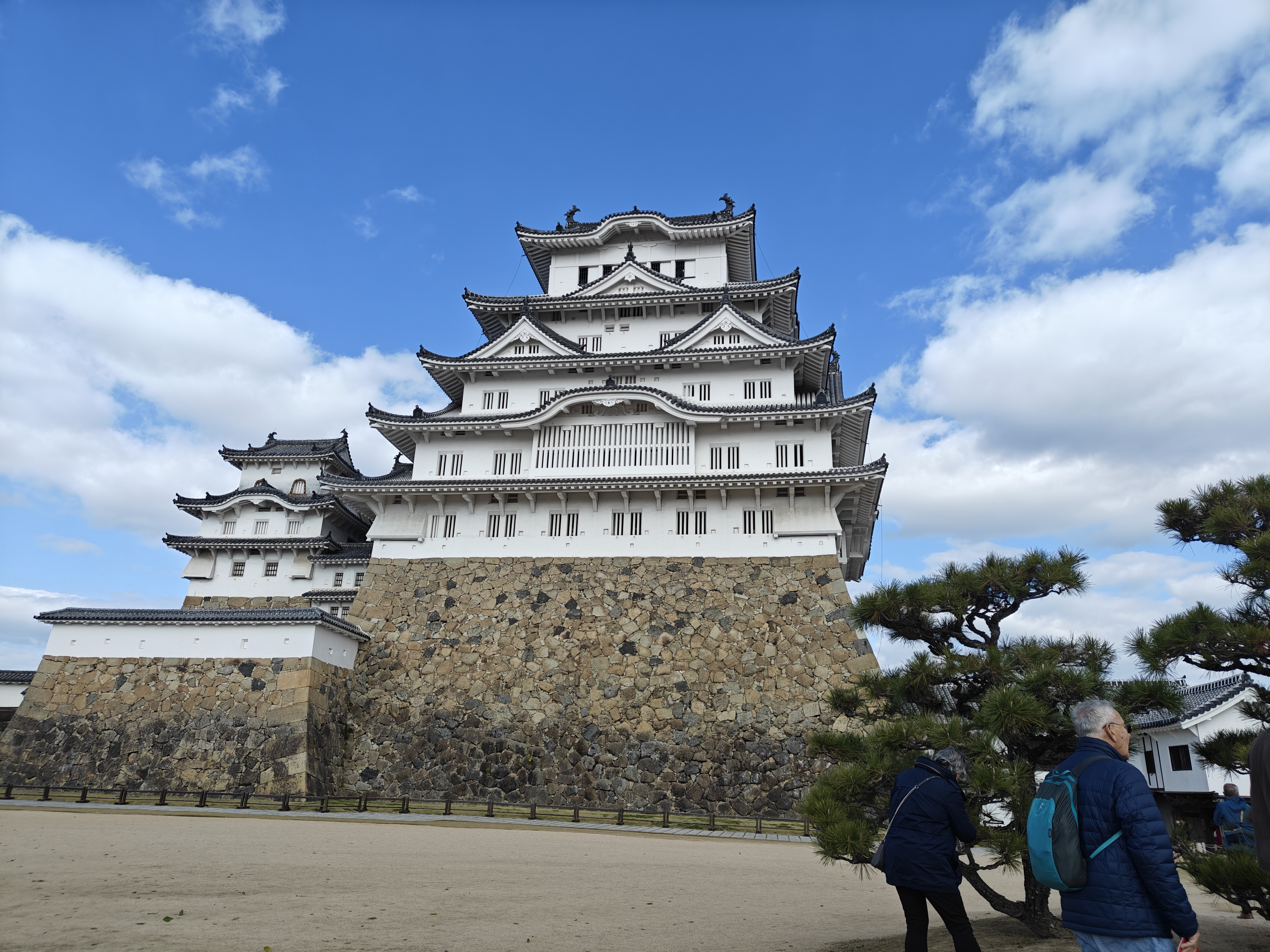
Following the recommended route on the map, first visited Nishinomaru Palace (about 10-15 minutes), then went to Tenshukaku. Inside requires removing shoes and putting them in plastic bags (which is a bit inconvenient). As a fan of wooden structures, I really enjoyed the view of Himeji Castle.
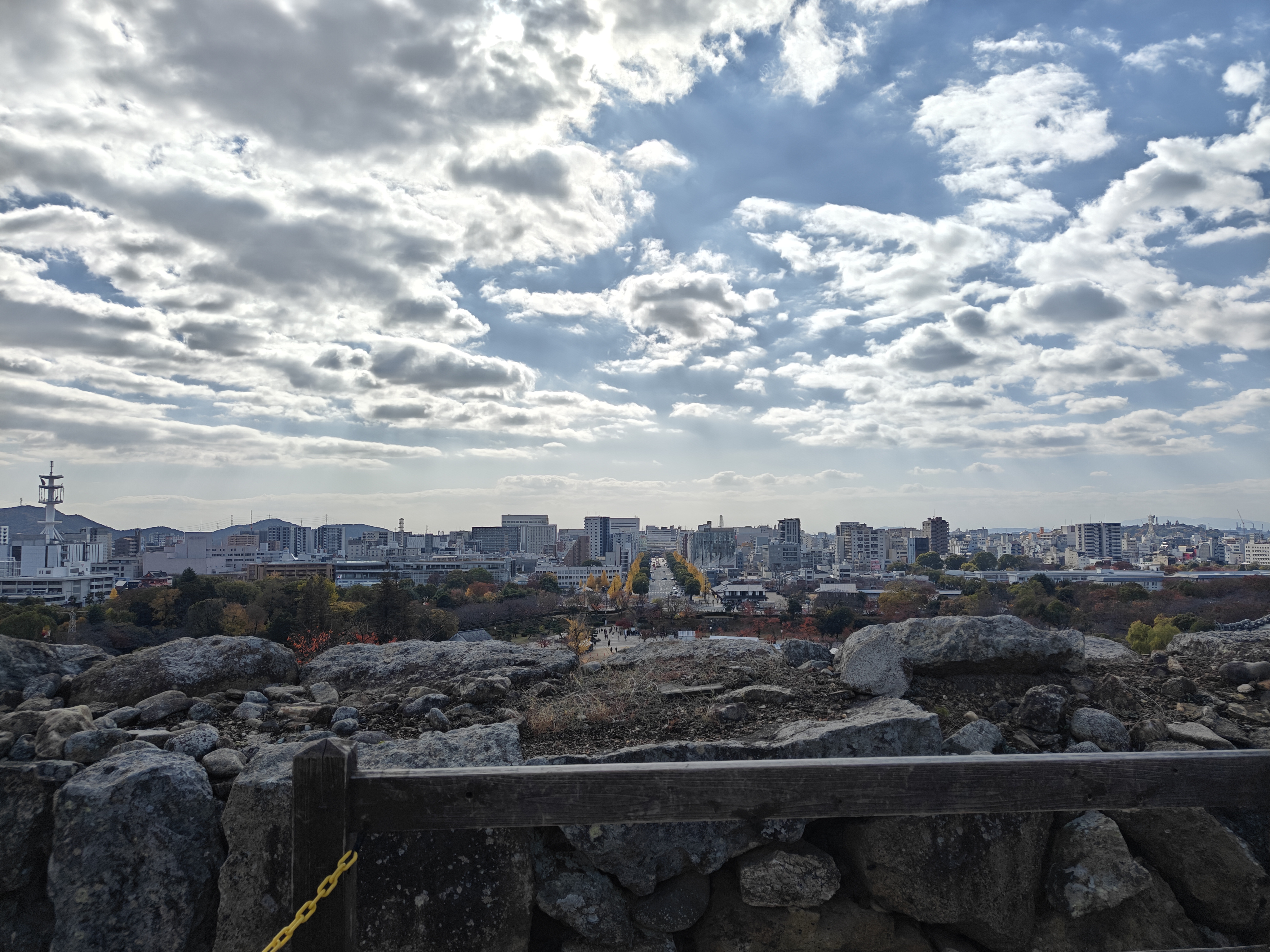
After leaving Himeji Castle, I headed to Koko-en Garden nearby. I didn’t have high expectations, but the autumn scenery was surprisingly rich, and I lingered to enjoy the maple leaves for a long time.
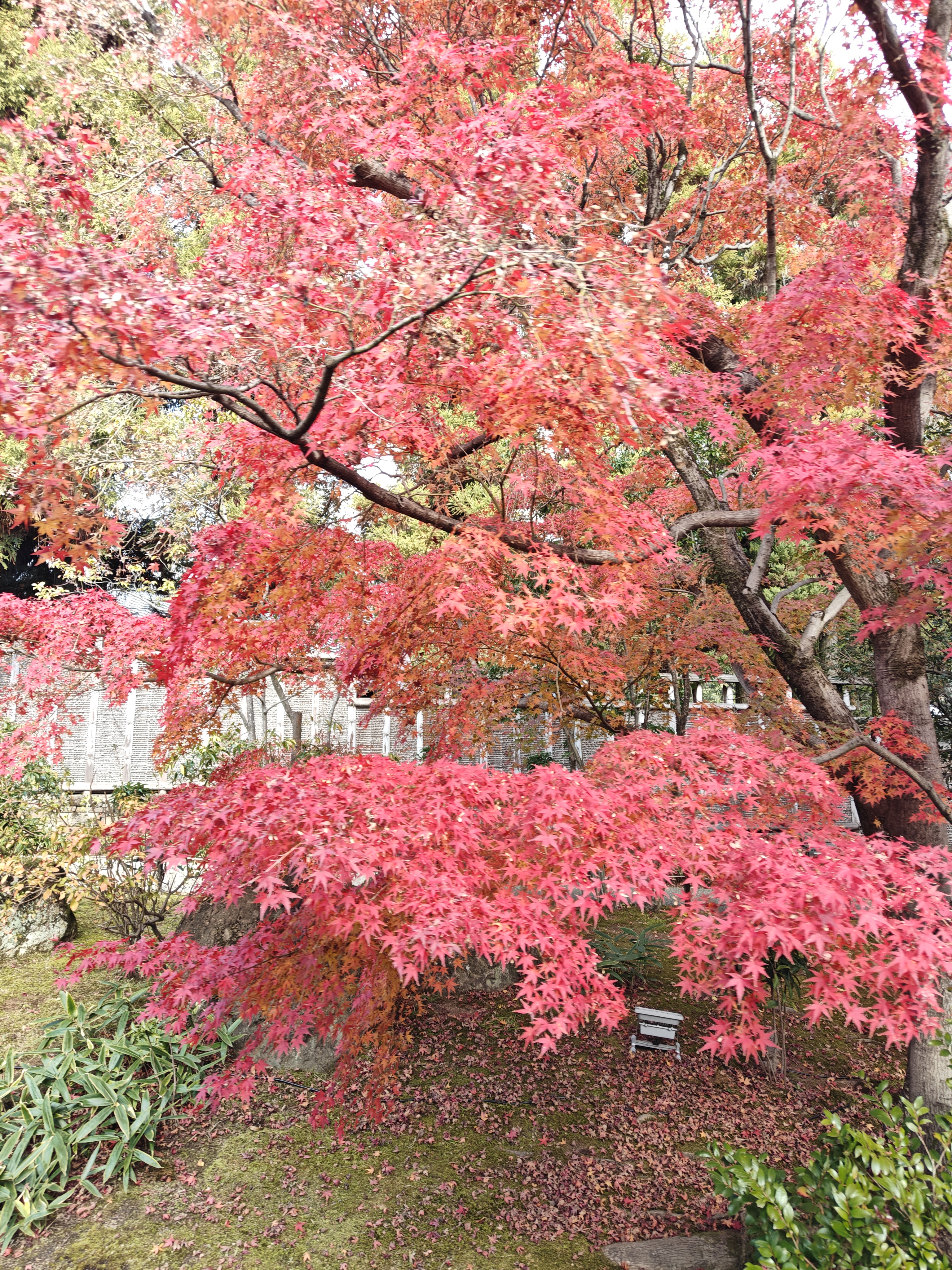
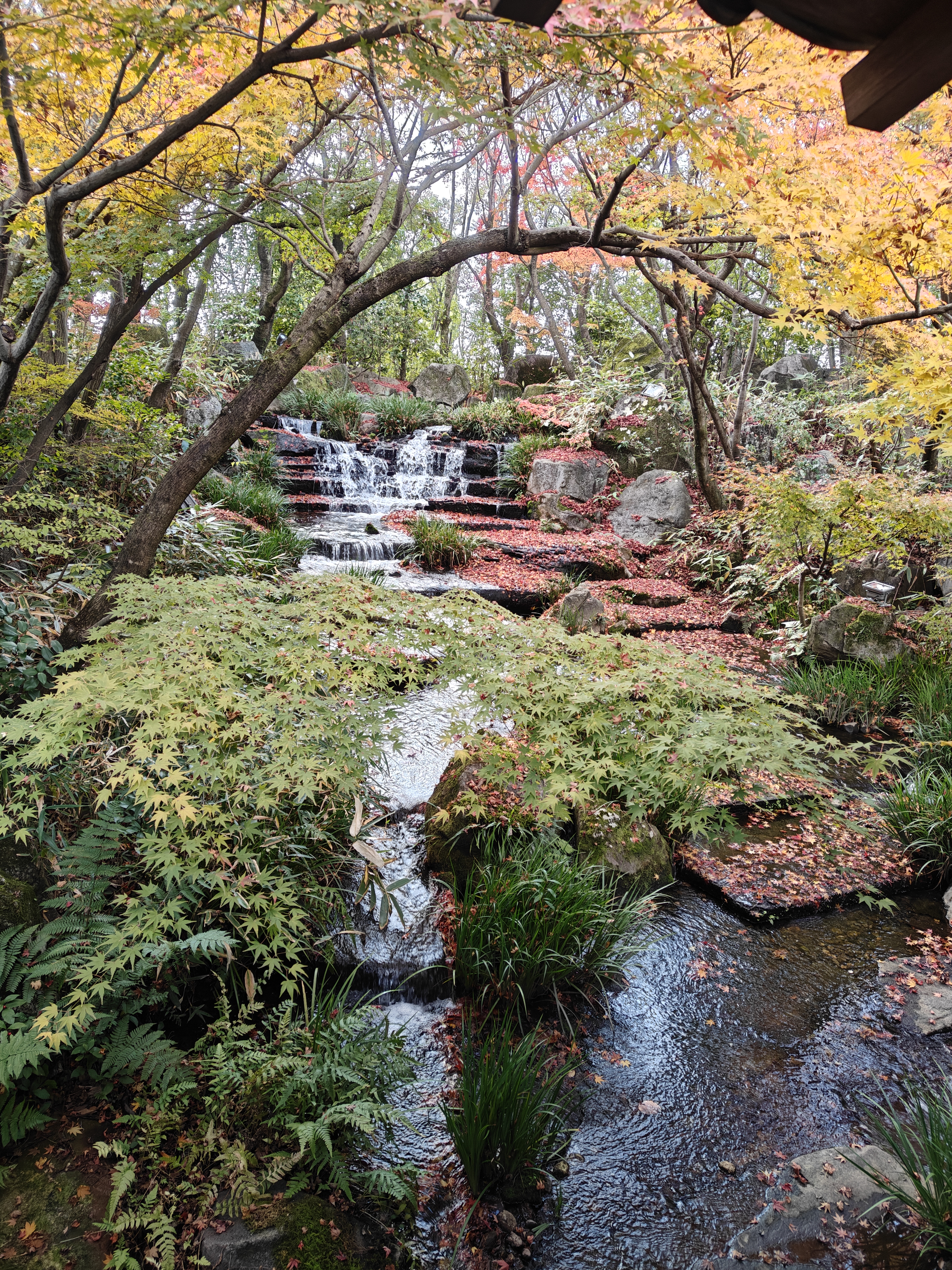
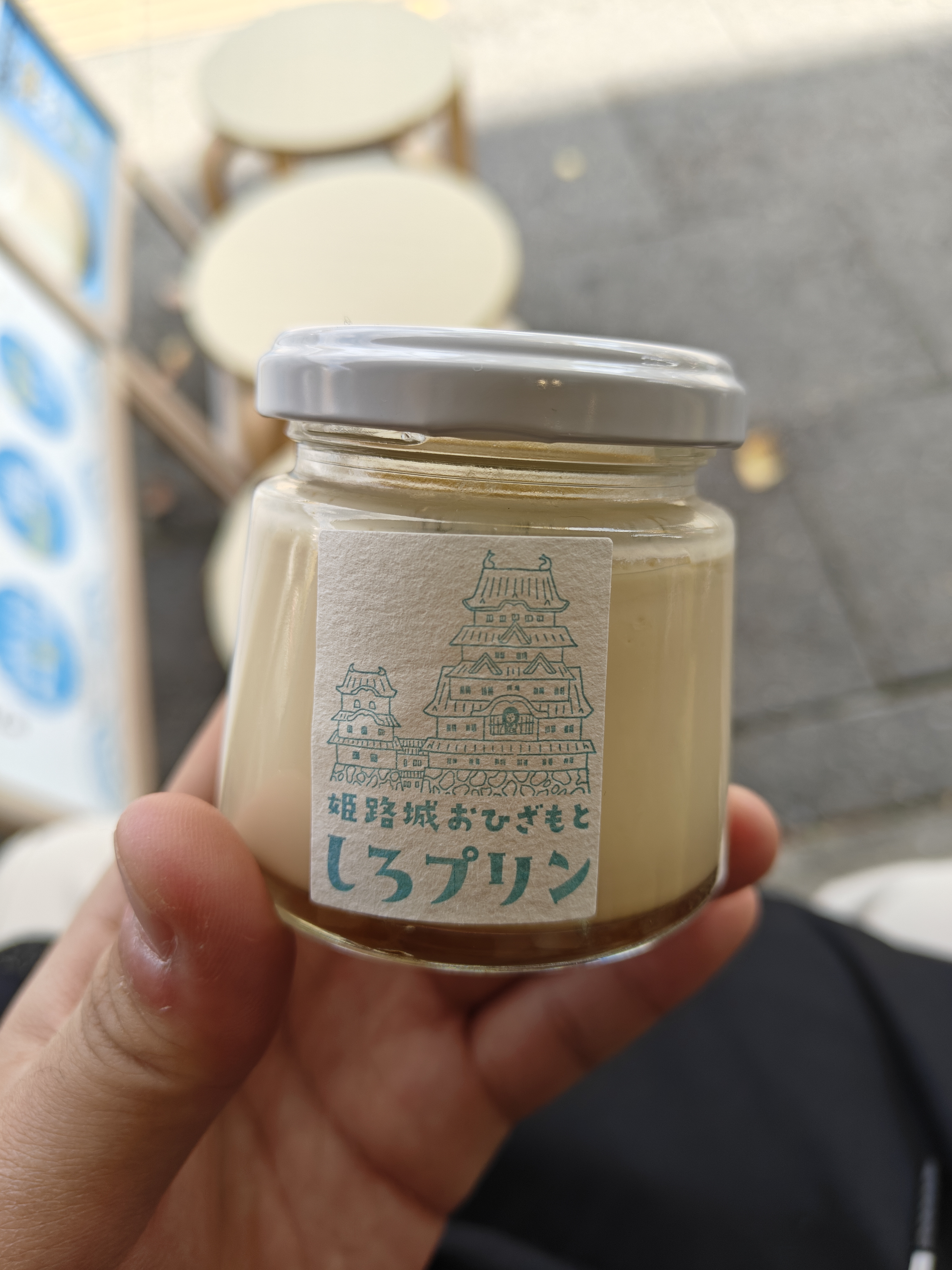
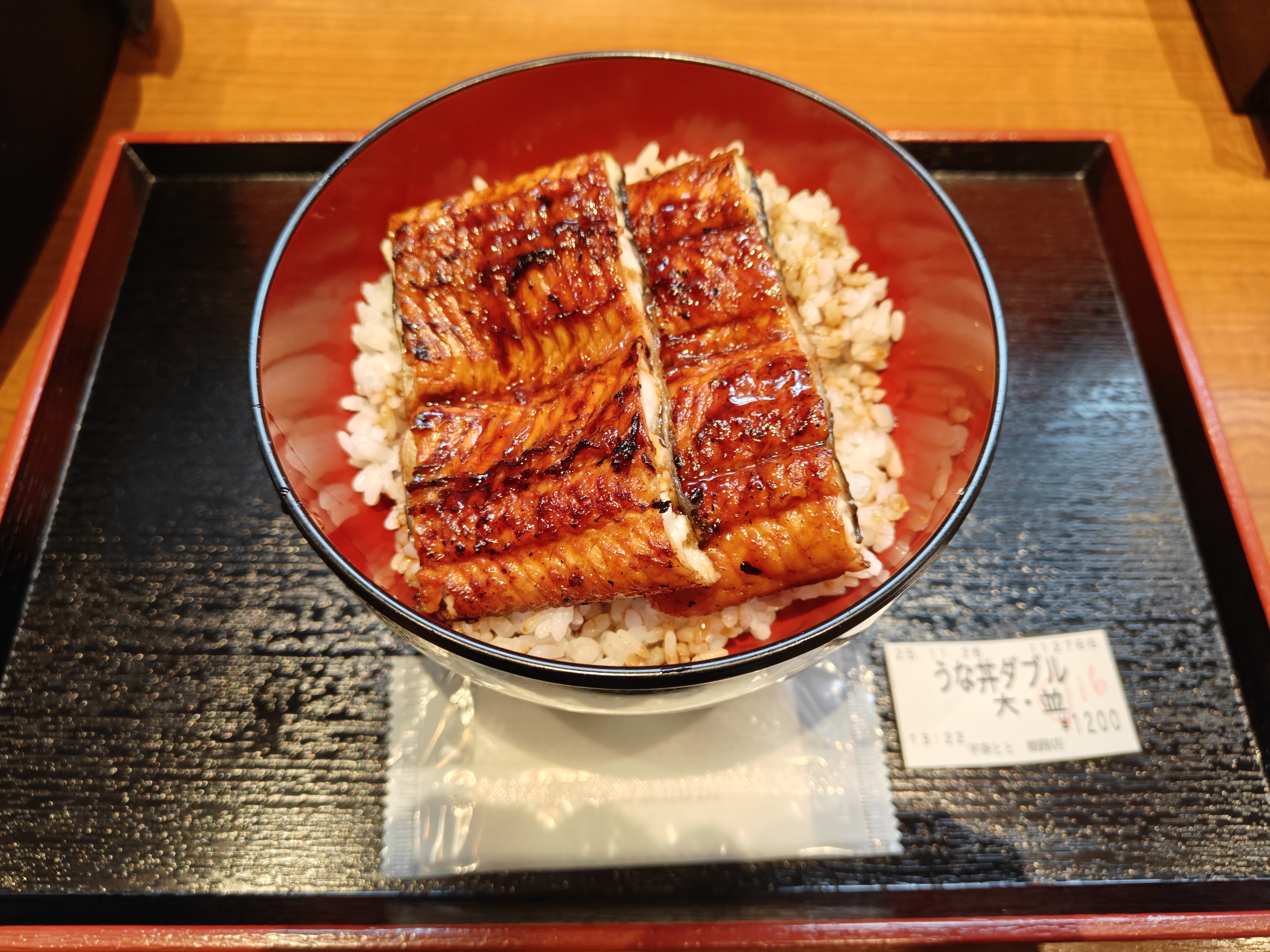
Back at the JR station, I bought a Himeji White Wall Pudding (520 yen) at the Himeji Castle Ohi-zamoto Shiro Purin. The “White Wall” probably refers to the biscuit crumbs sprinkled on top, and it tasted quite good. I wanted to bring it home as a souvenir, but it’s not very storable, which is a pity. Finally, I went to Nikaimachi’s Unatoto for a simple eel rice set (1000 yen) for lunch.
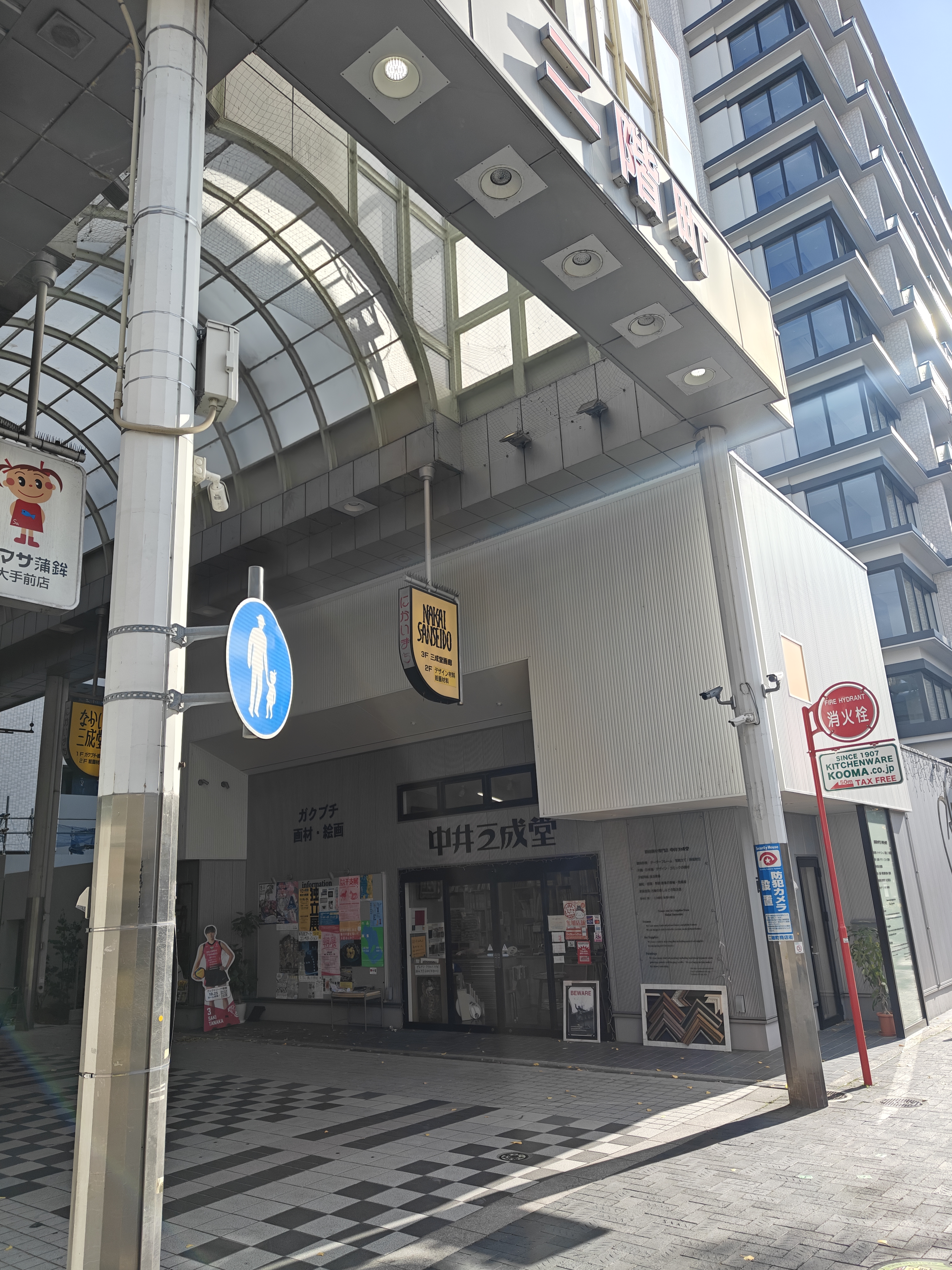
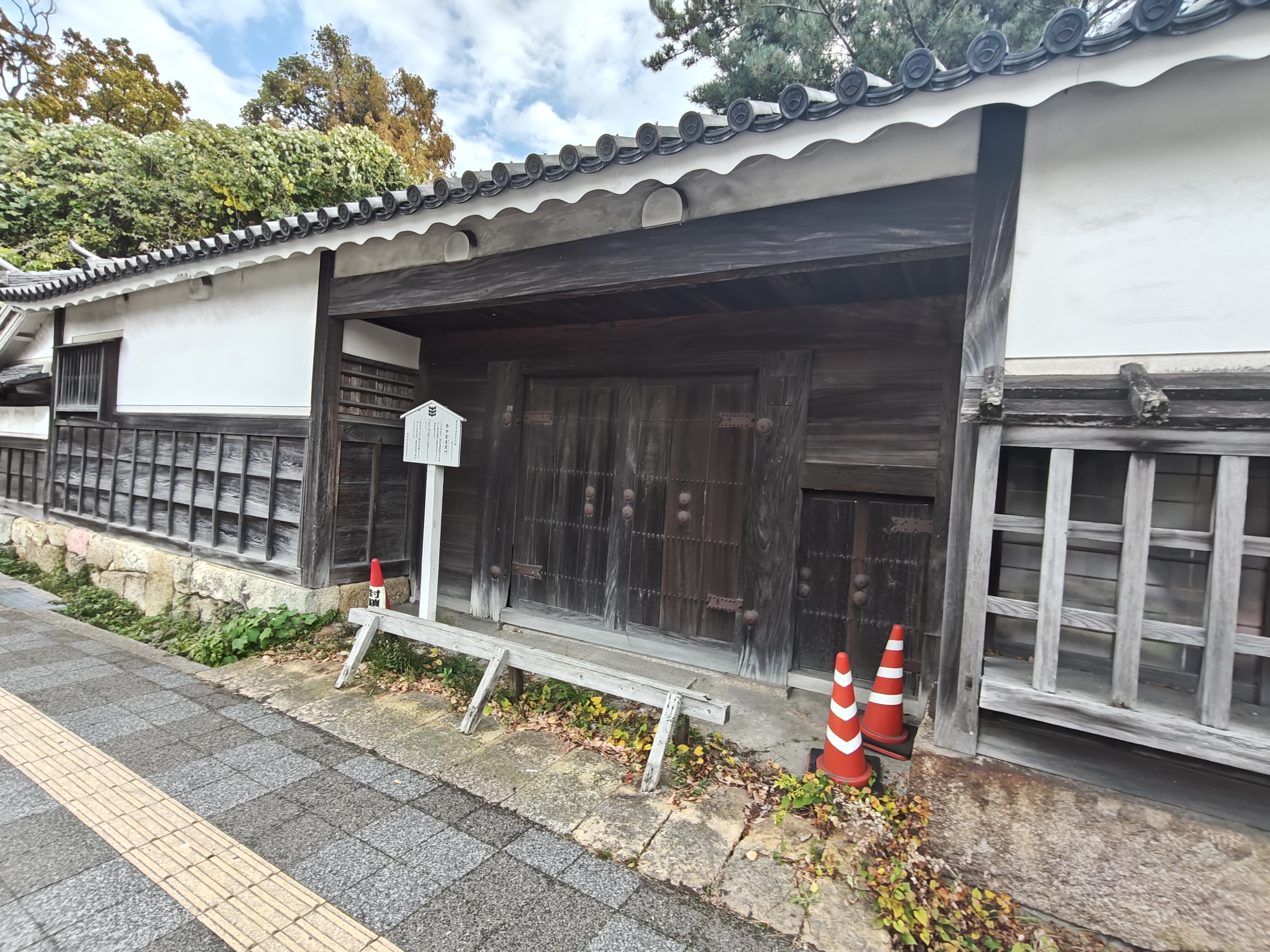
Traveling just in the morning to visit Himeji City felt a bit rushed. Even though we left very early, it was around 1:30 p.m. when we left Himeji. The original plan was to go directly to Kobe, but on a whim, I wanted to visit the Sakai Holy Land to see the residence of Saber (Fate series), so I parted ways with my friend at Akashi Station. Luckily, Oda’s family residence is not far from Akashi Station (about 10 minutes walk). Still a bit regretful—if I had more time, I’d love to see Maiko and get a closer look at the Akashi Kaikyo Bridge.
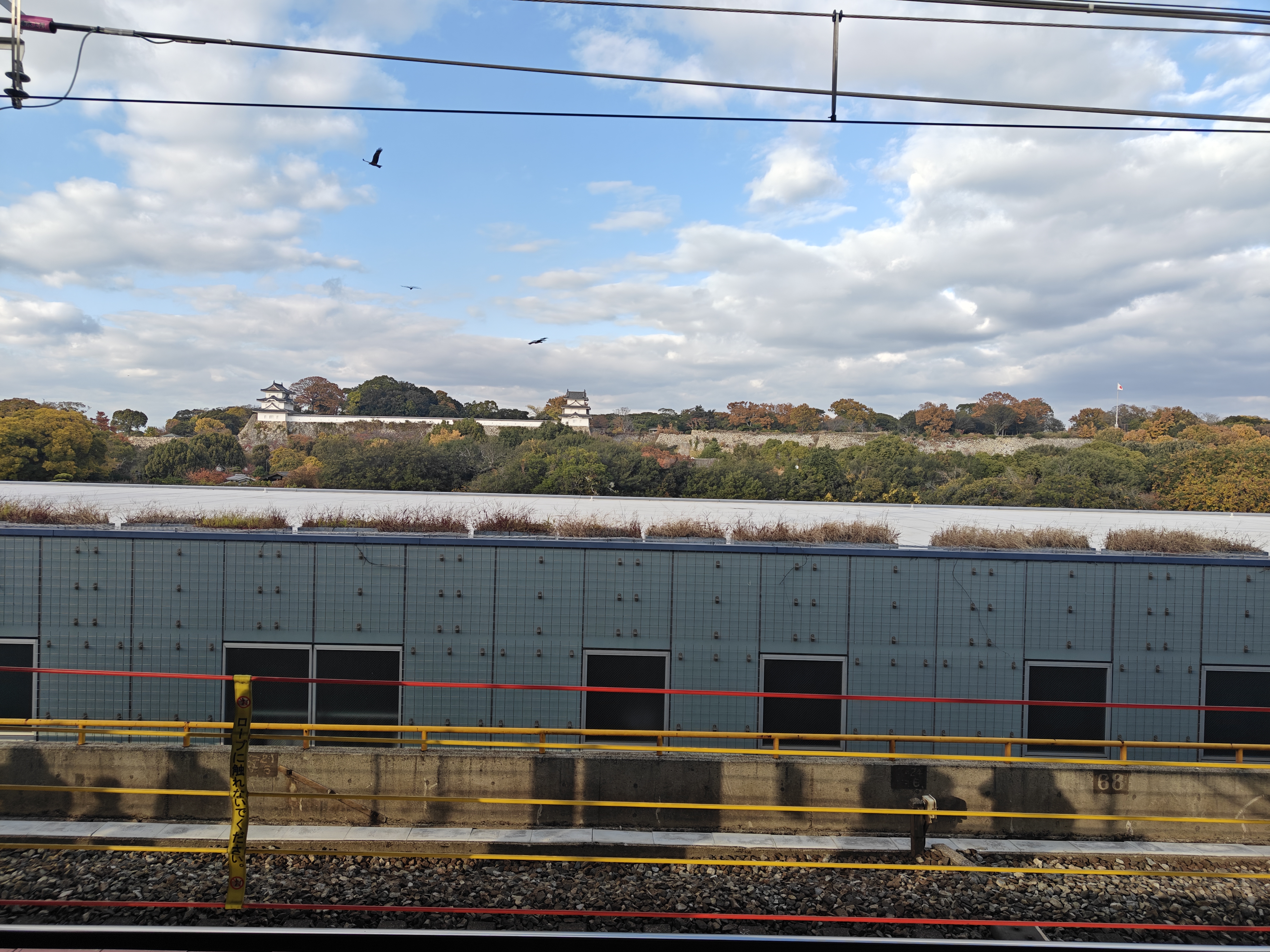
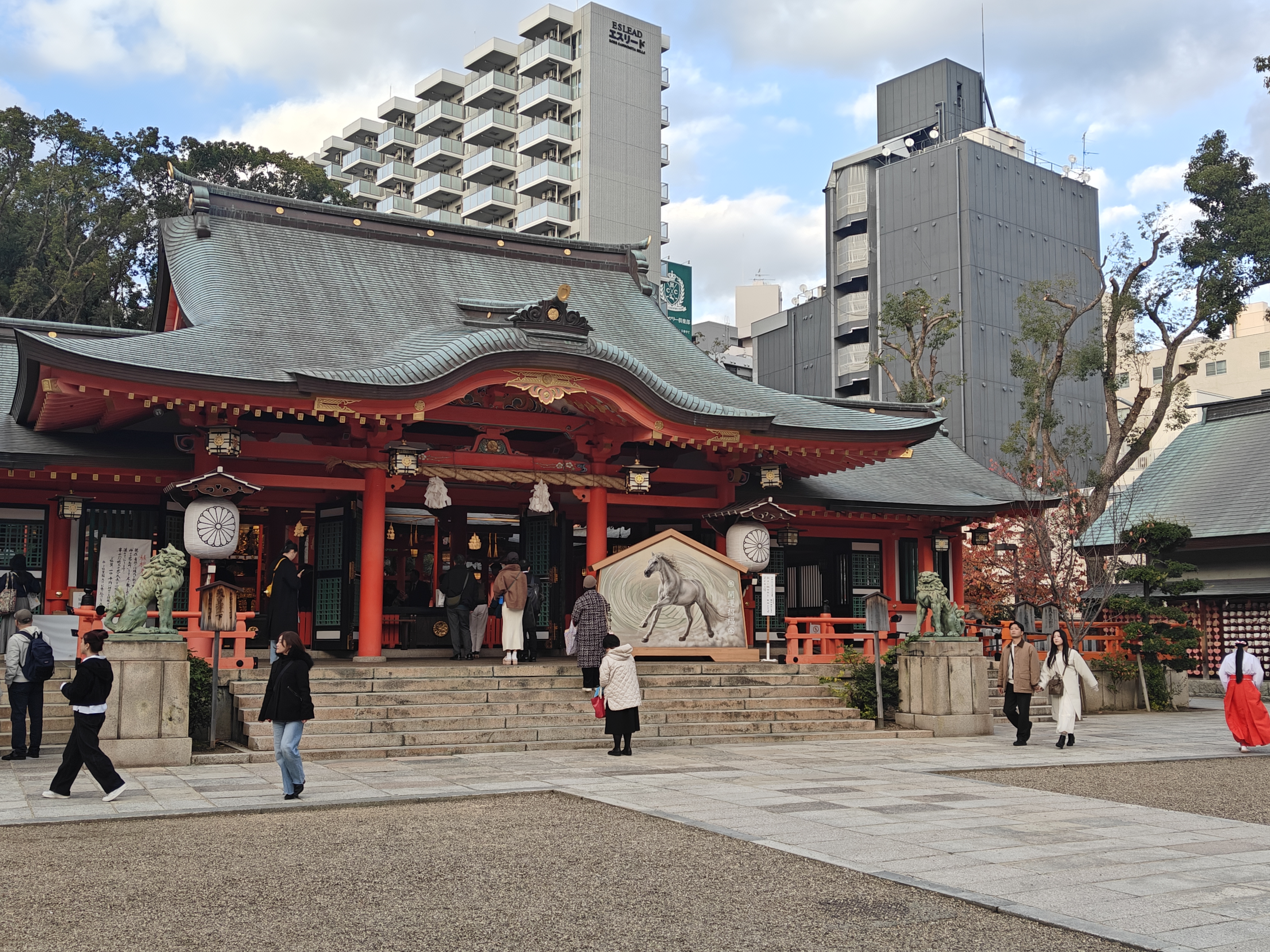
Arrived at Kobe Sannomiya Station around 3:30 p.m., much later than expected. Planned to visit Ikuta Shrine first, then do a pilgrimage of the Sangu Mansion and Rinkei’s residence in Kitano Ijinkan. Ikuta Shrine is a place believed to bring good relationships, health, and safe childbirth. The water fortune is famous, but I felt it was too troublesome, so I just bought a love charm (hope it works!).
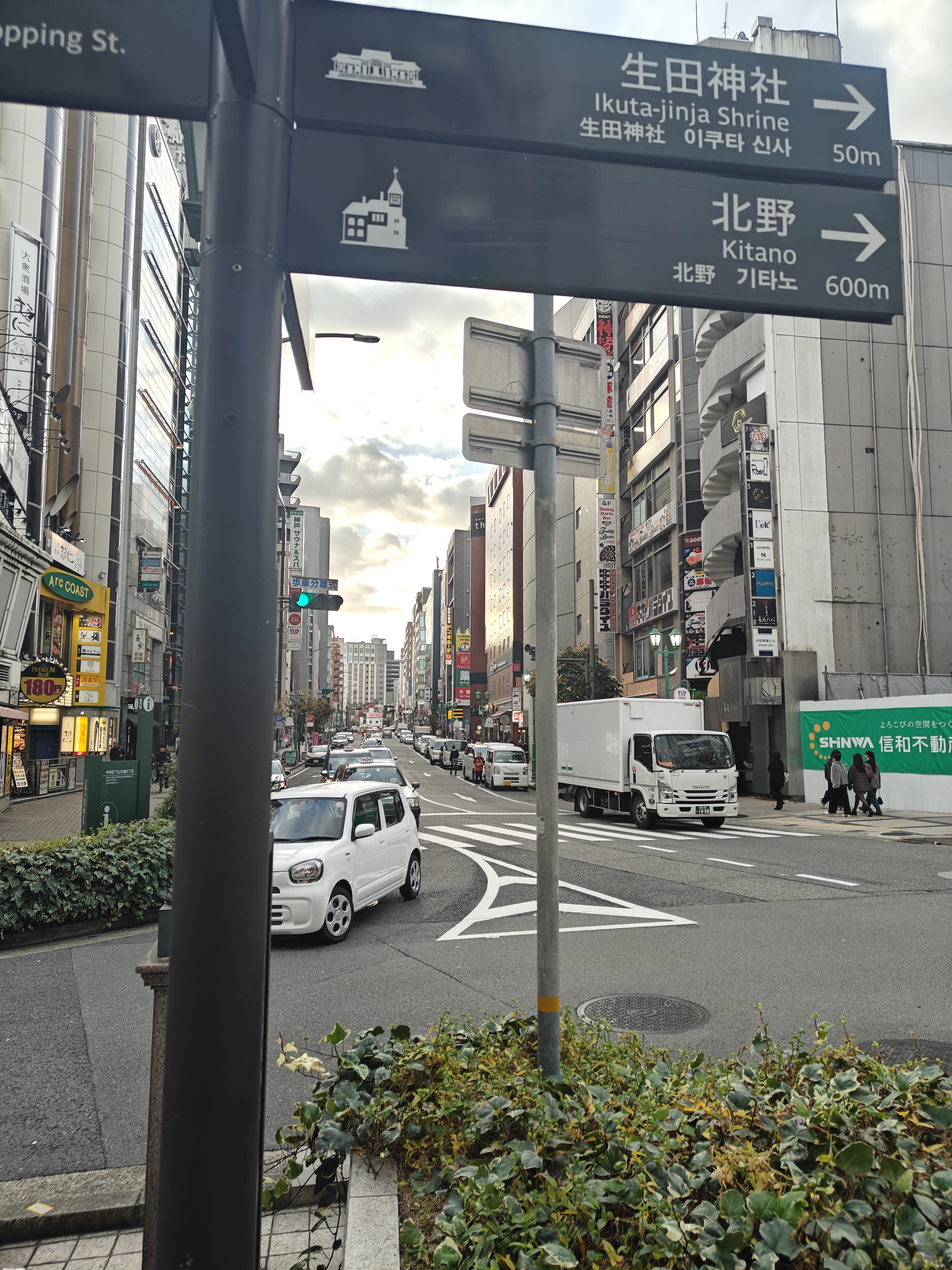
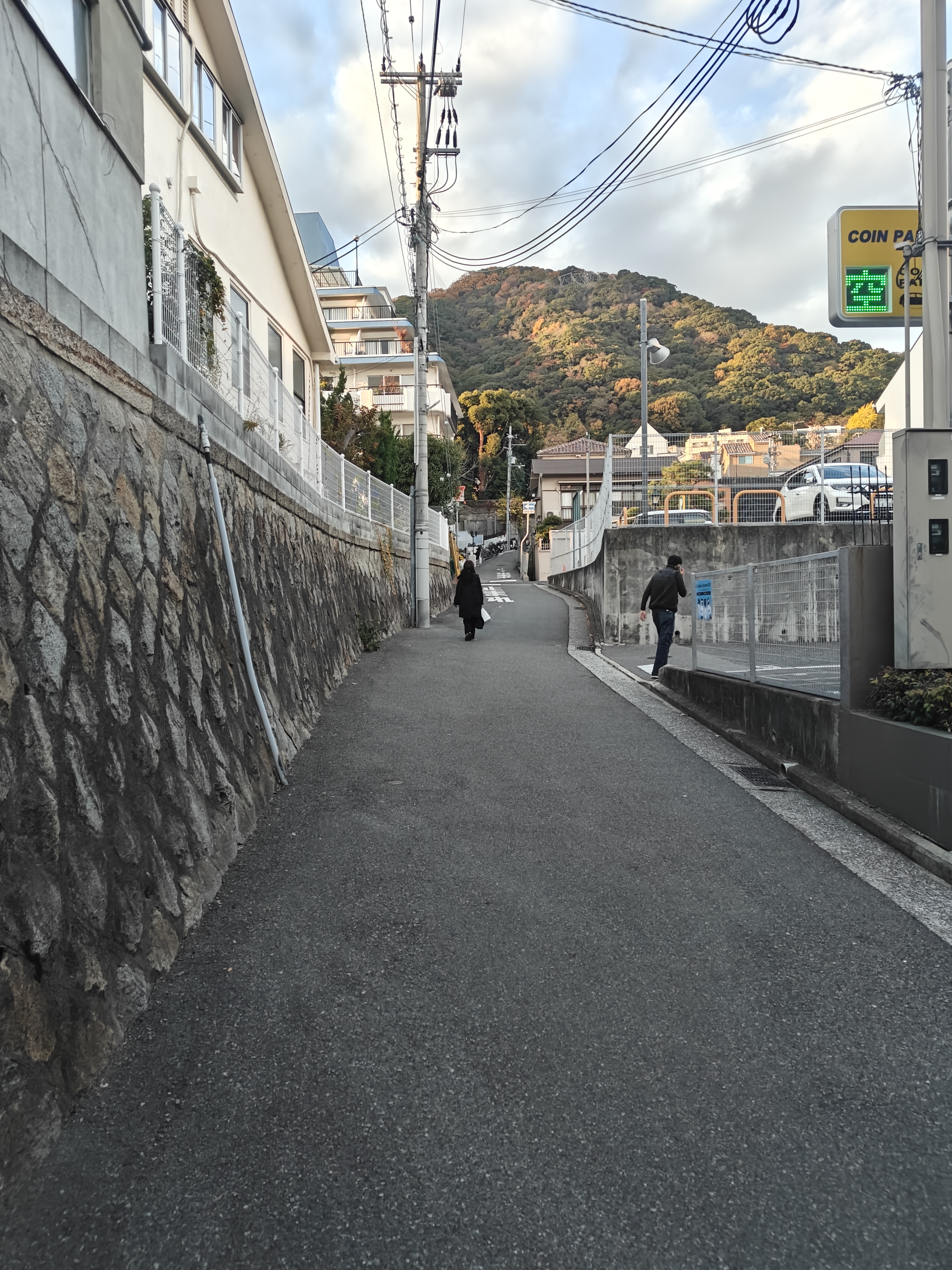
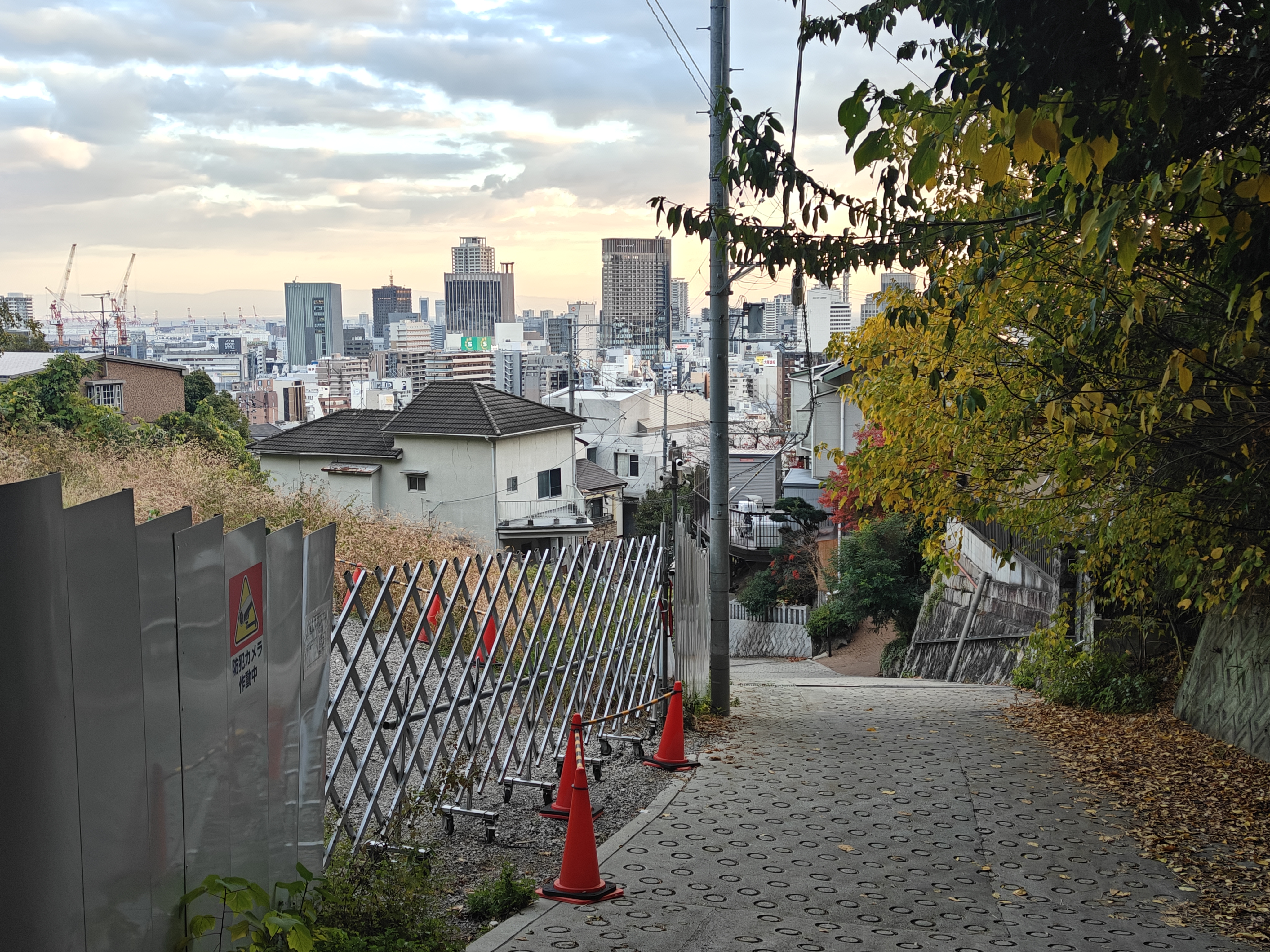
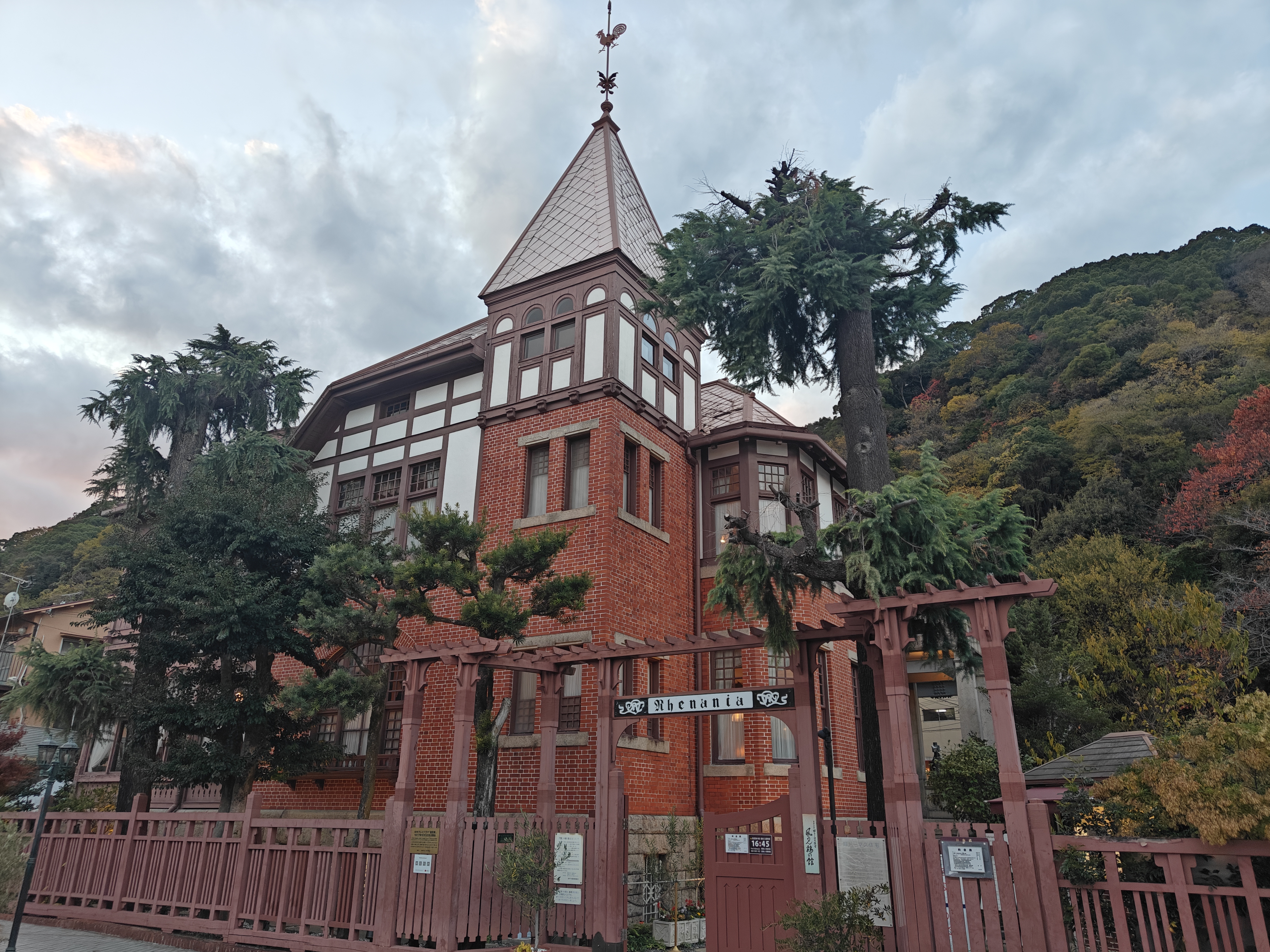
Then headed to Kitano Ijinkan. I didn’t expect the terrain to be so steep—like climbing a mountain (respect to the residents living nearby). Due to limited time, I moved quickly and was already sweating heavily when I reached the Uroko House (Rinkei’s residence). The ticket was 1100 yen, and I felt it wasn’t worth it just for a quick visit, so I didn’t go inside. Then I descended to the Fūmi-ki no Yakata (Rinkei’s residence), which has a Meiji and Western style. That day, a couple was also nearby taking wedding photos.
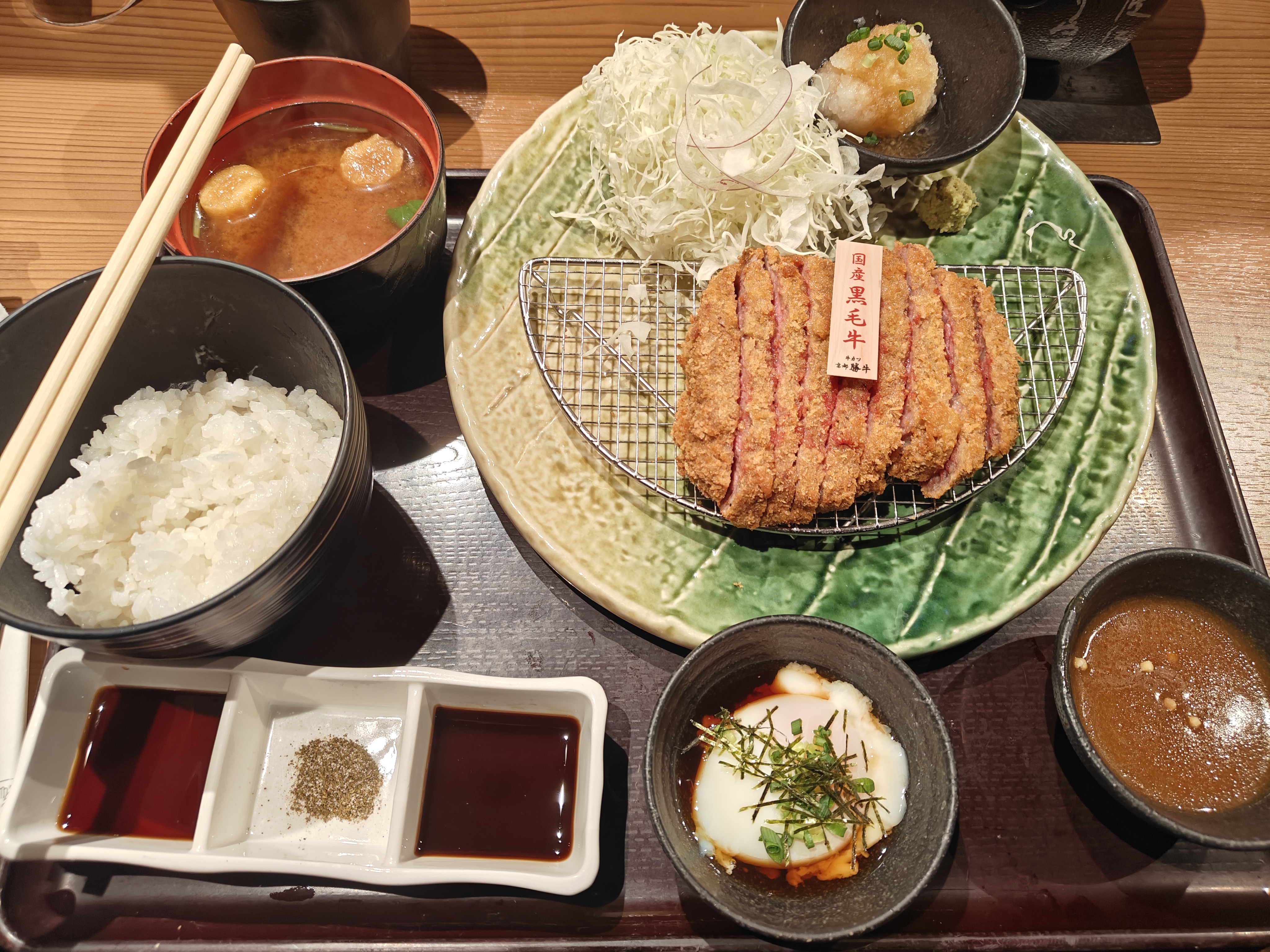
In the evening, took bus 92 to Sannomiya Shrine, then headed to Meriken Park to meet friends. It was around blue hour into night, and by the time we reached the Meriken Park coast, the horizon was almost invisible—disappointing. Glanced at Kobe Port Tower, then went to find dinner. Originally planned to try Kobe beef, but most places were expensive and portions small… Finally, we went to Kyoto Katsugyu in Sannomiya underground shopping street (got lost for a long time) and had a fried beef steak set meal. The set cost 3619 yen, but the portion was still very small (the rice felt barely enough to fill my teeth!).
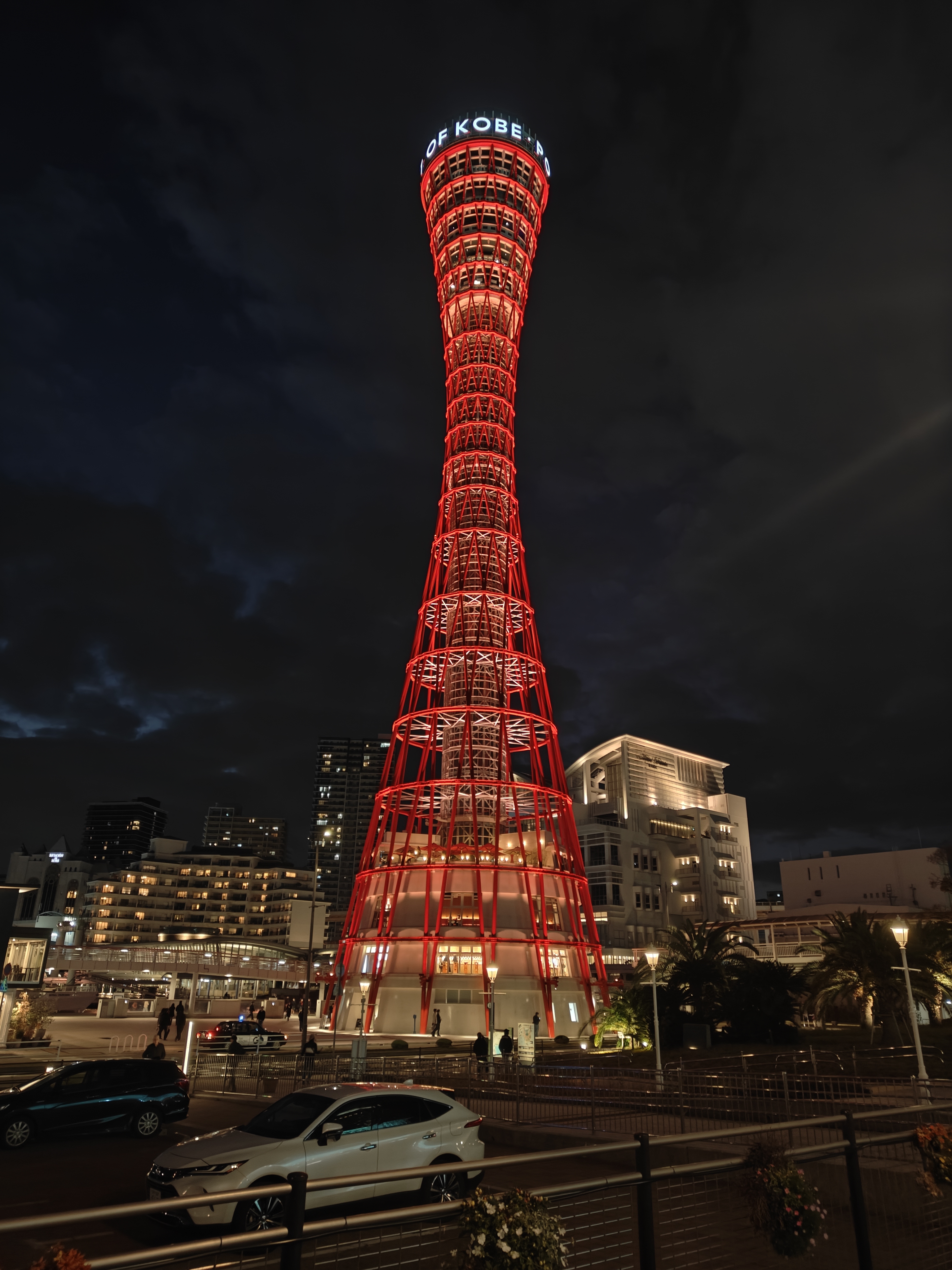
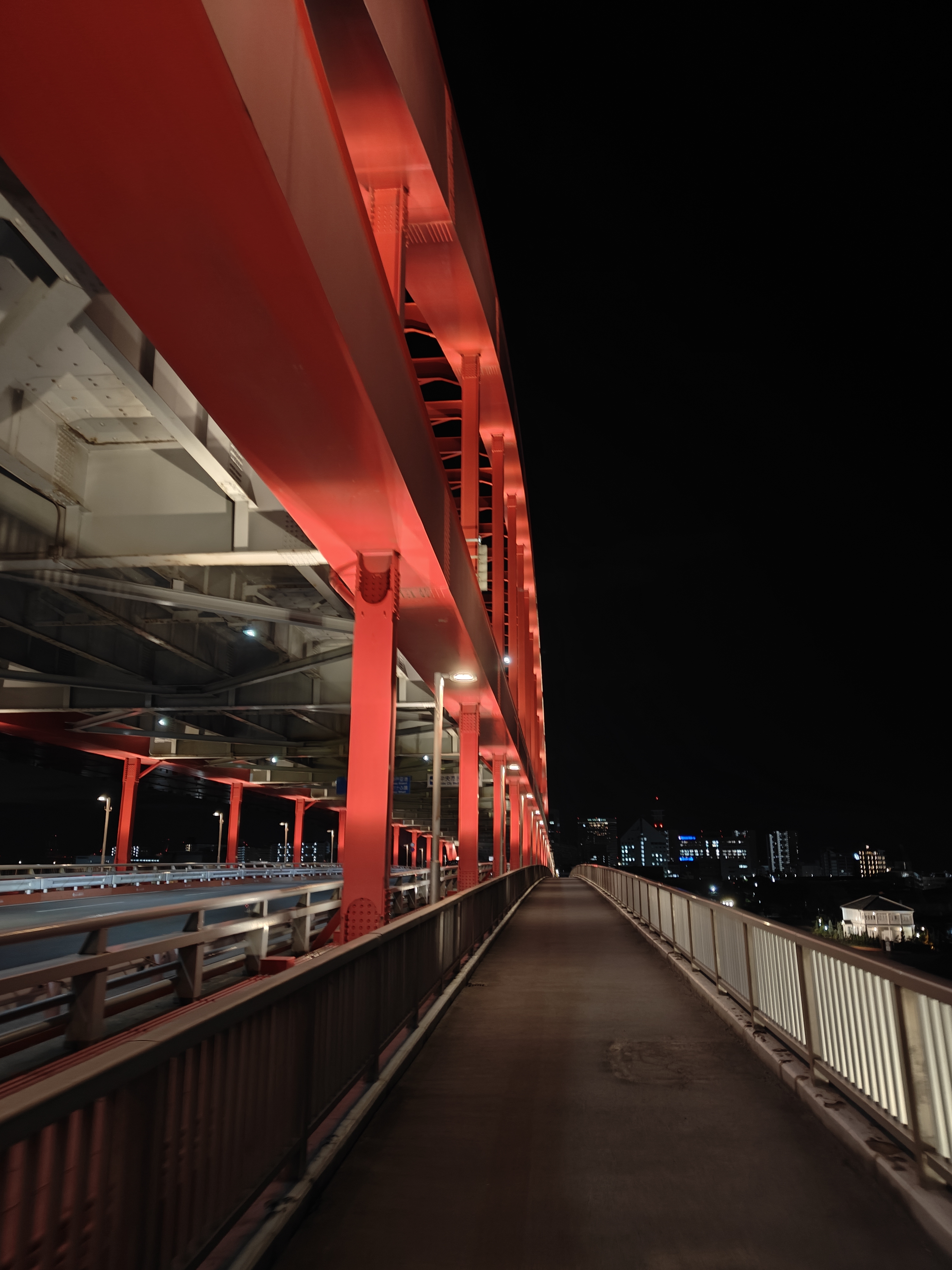
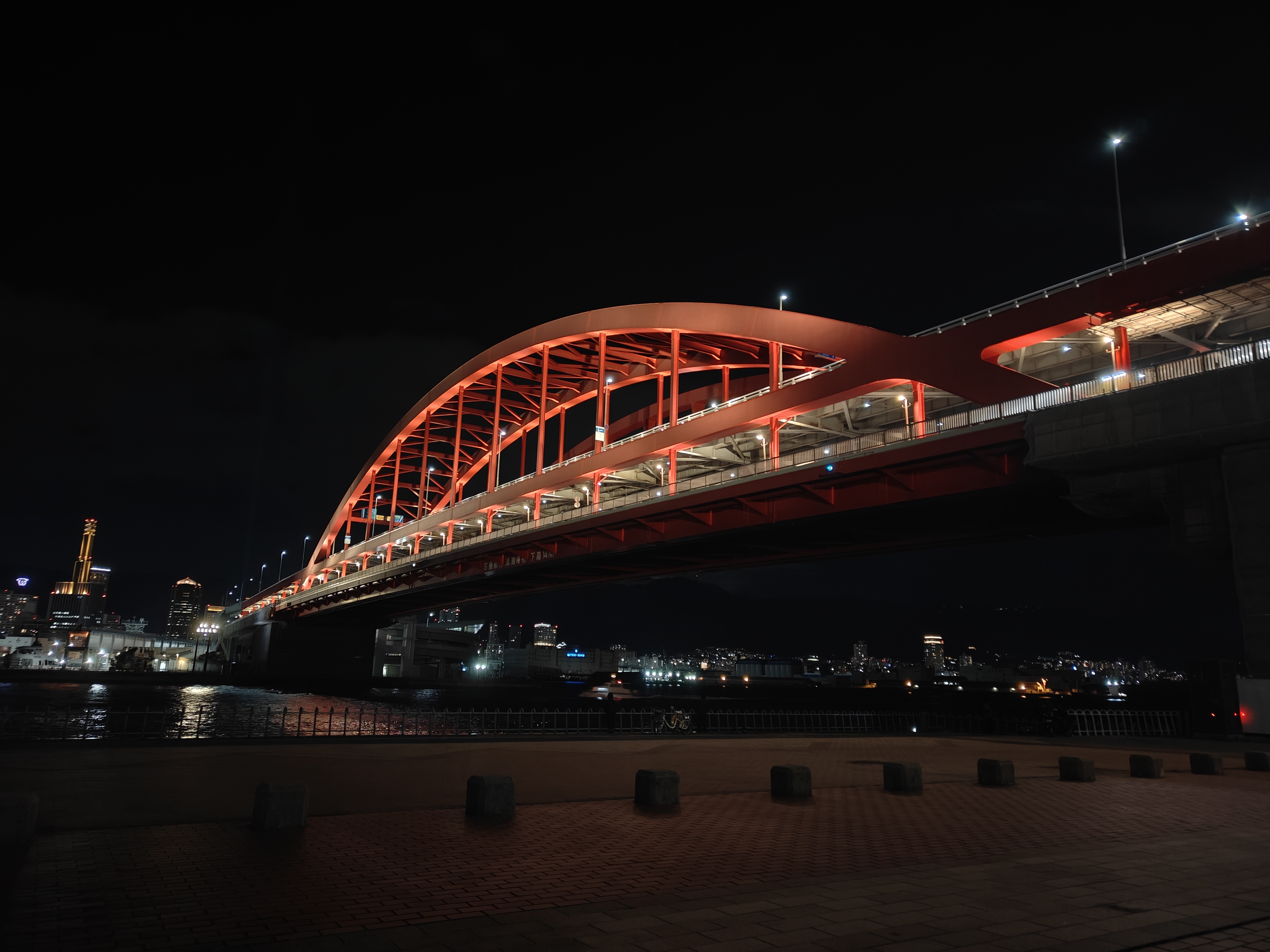
Finally, my personal favorite—visiting the Kobe Bridge! From Sannomiya Station, took the New Transit Harbor Island Line to the ferry terminal, then walked across Kobe Bridge to Port Island Kita Park. This is on the artificial island where Kobe Airport is located. In the evening, around 7-8 p.m., the train here is usually empty, with many travelers carrying luggage. I did a Fate/Grand Order pilgrimage here. The sea breeze was strong at night, so be sure to keep warm. The one-day Hyogo trip ended with Kobe Bridge. We then returned to Sannomiya Station and took the Tokaido/Sanyo Line back to Osaka.
Day 5 - Osaka, Nara
Today, we checked out of the Osaka hotel and checked into a hot spring hotel near Nara Station, so the schedule was more relaxed. Originally planned to visit Expo Memorial Park, but changed plans at the last minute. After storing luggage at the hotel, we first went to Sumiyoshi Taisha. Sumiyoshi Taisha is the head shrine of over 2,000 Sumiyoshi shrines in Japan, with over a thousand years of history.
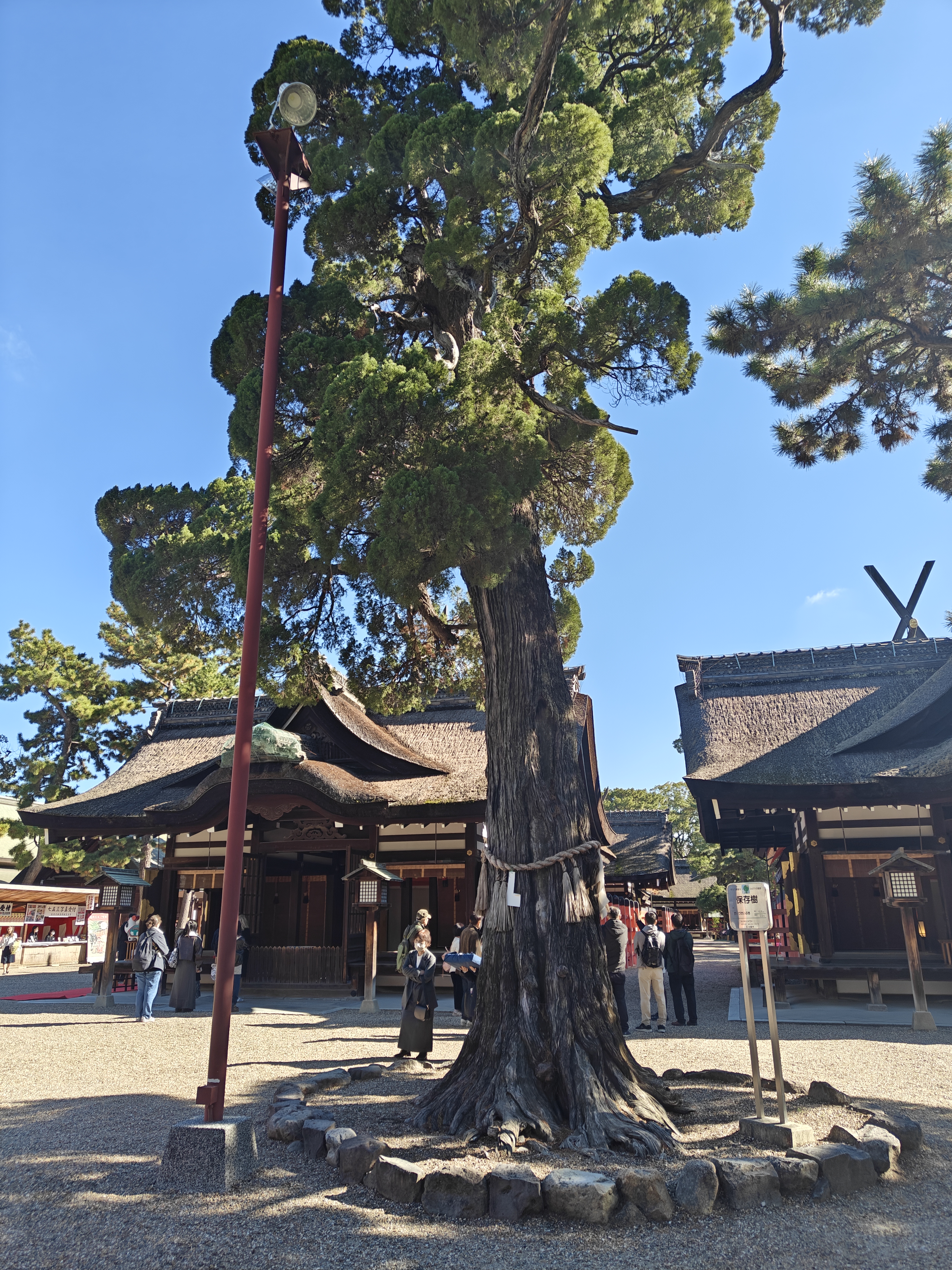
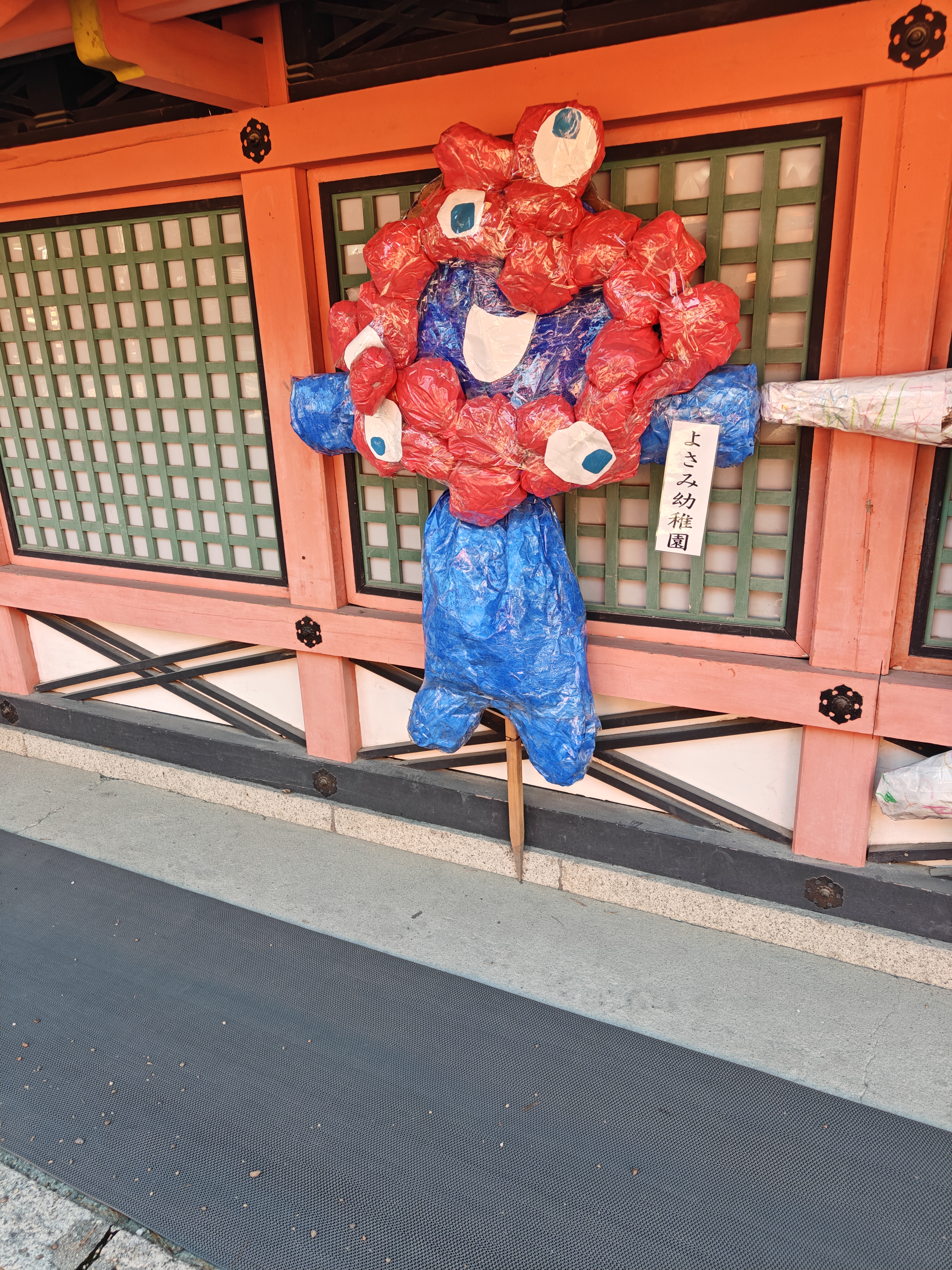
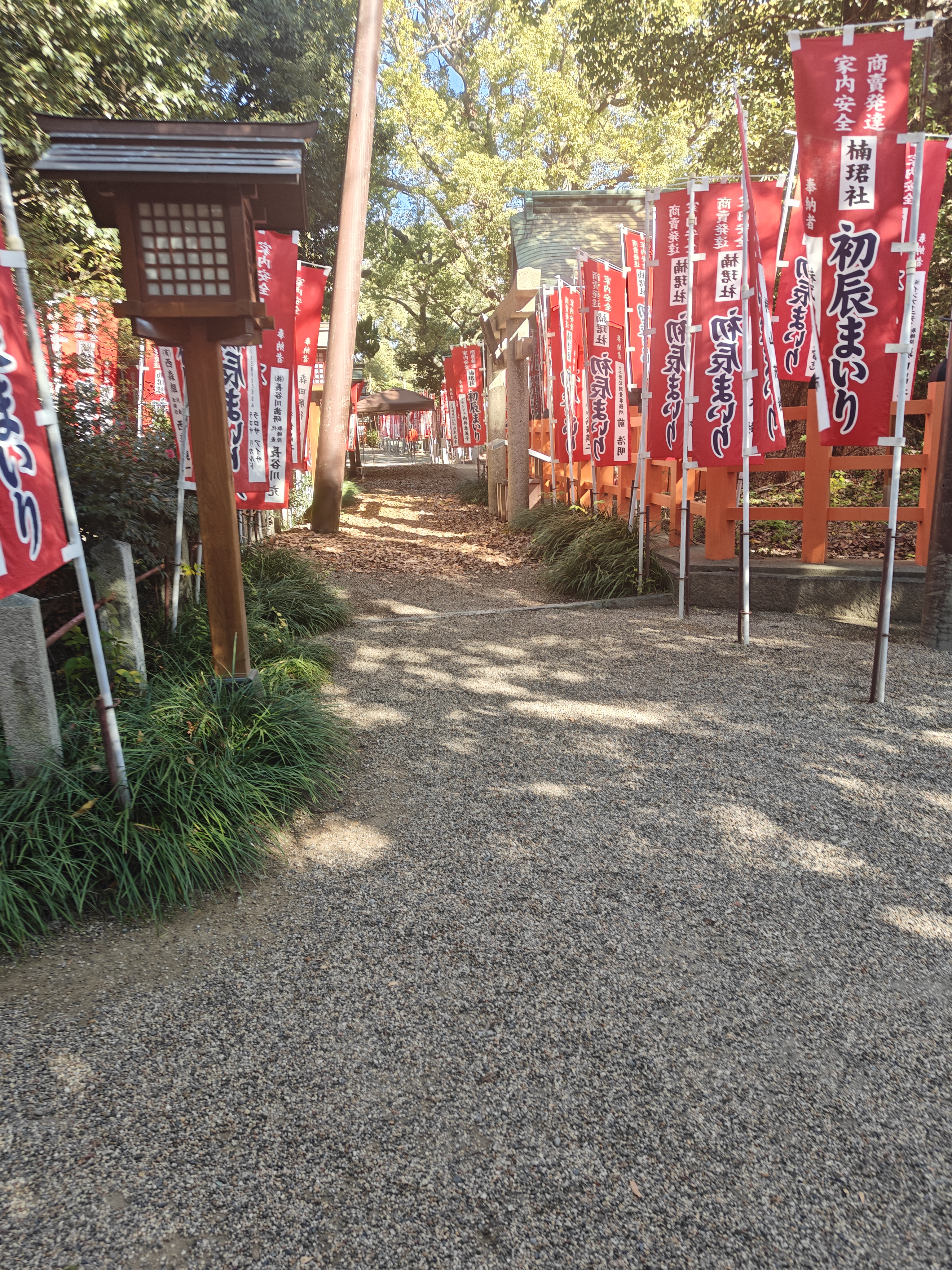
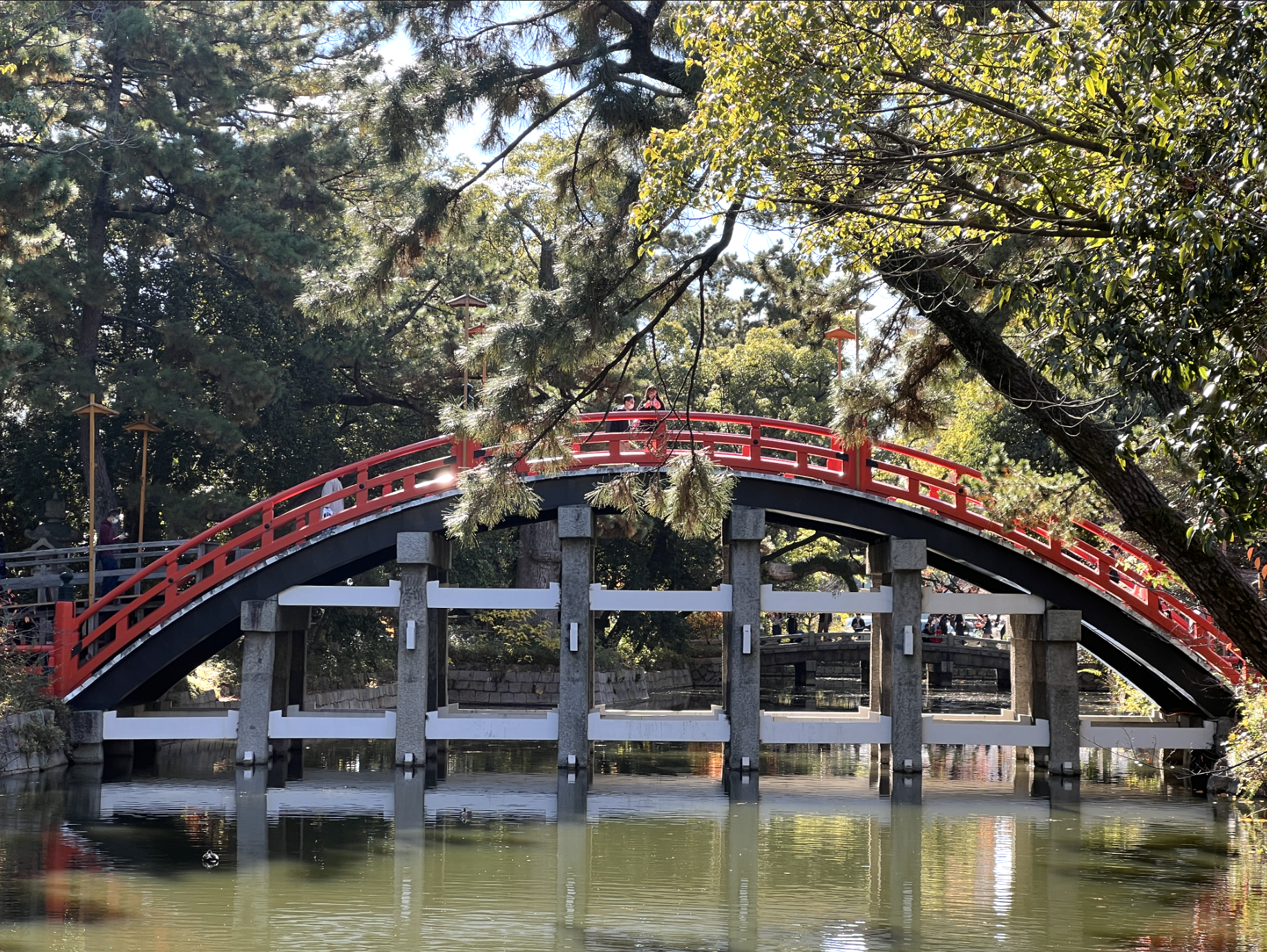
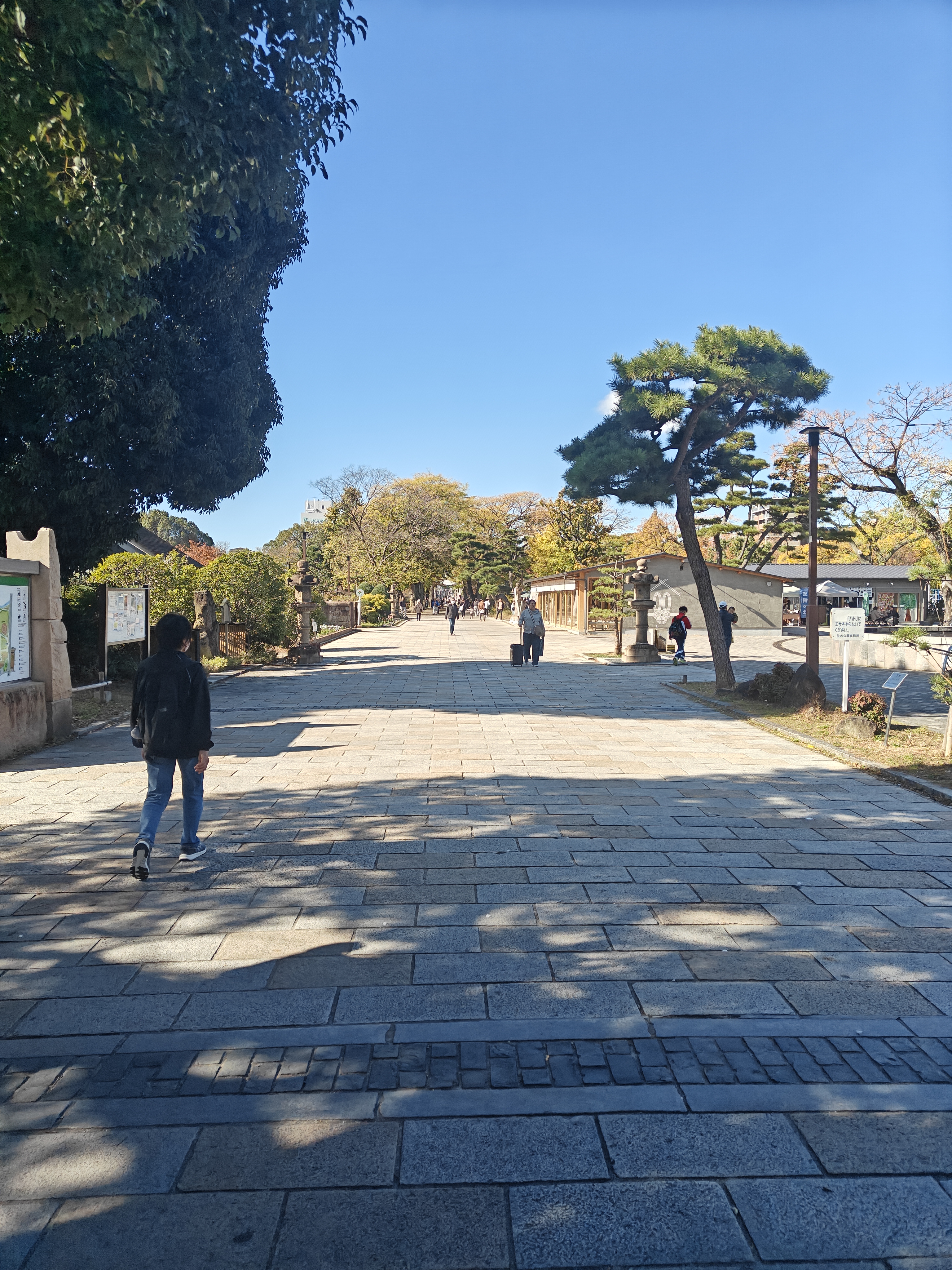
The Sorihashi Bridge has a steep incline of 48 degrees—very steep. Since we were already here, we also strolled through Sumiyoshi Park. Crossing the park, you enter a residential area with many overhead power lines, a stark contrast in style. Many locals come here for picnics.
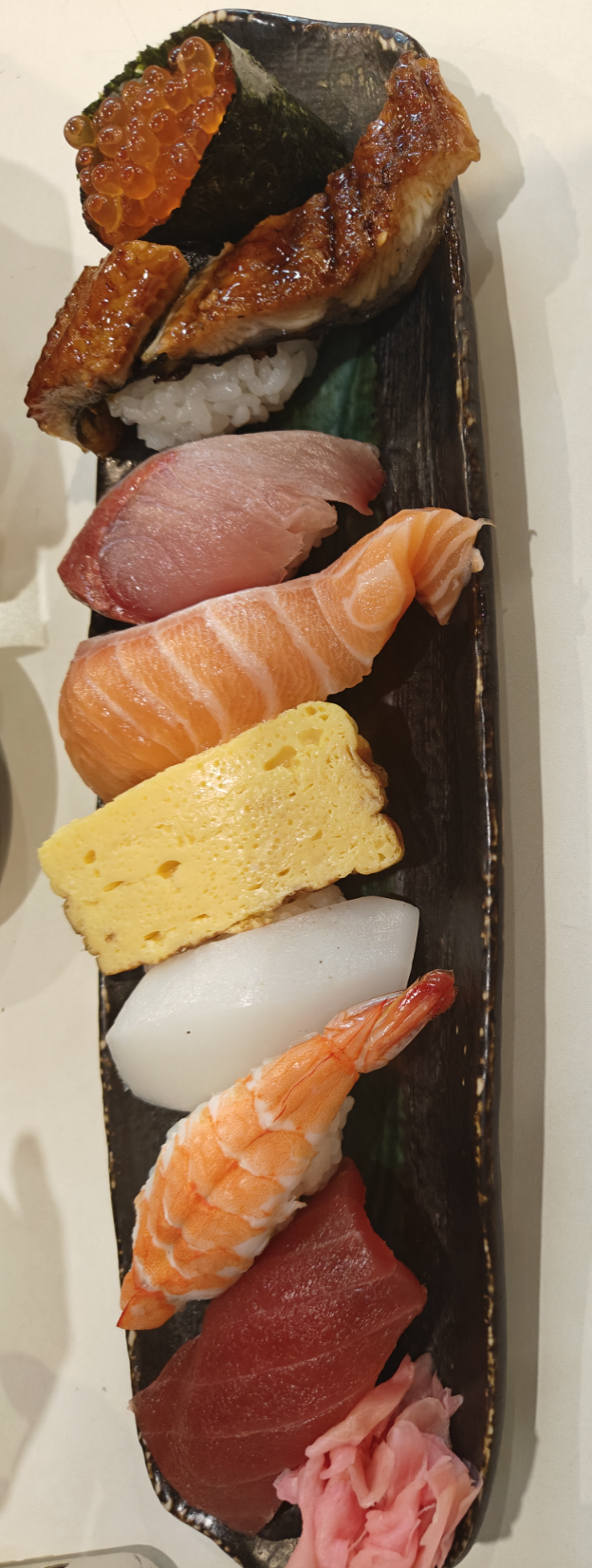
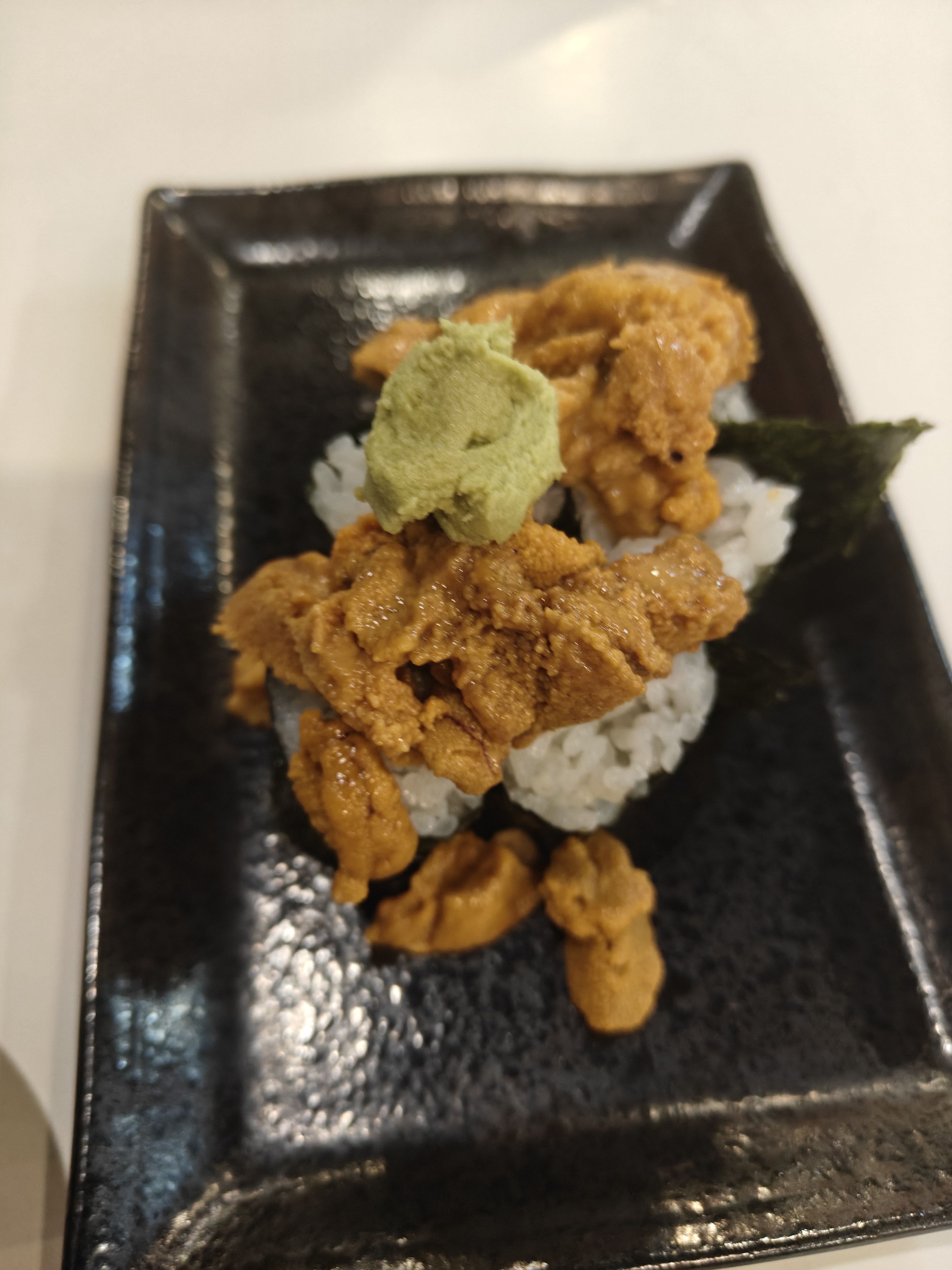
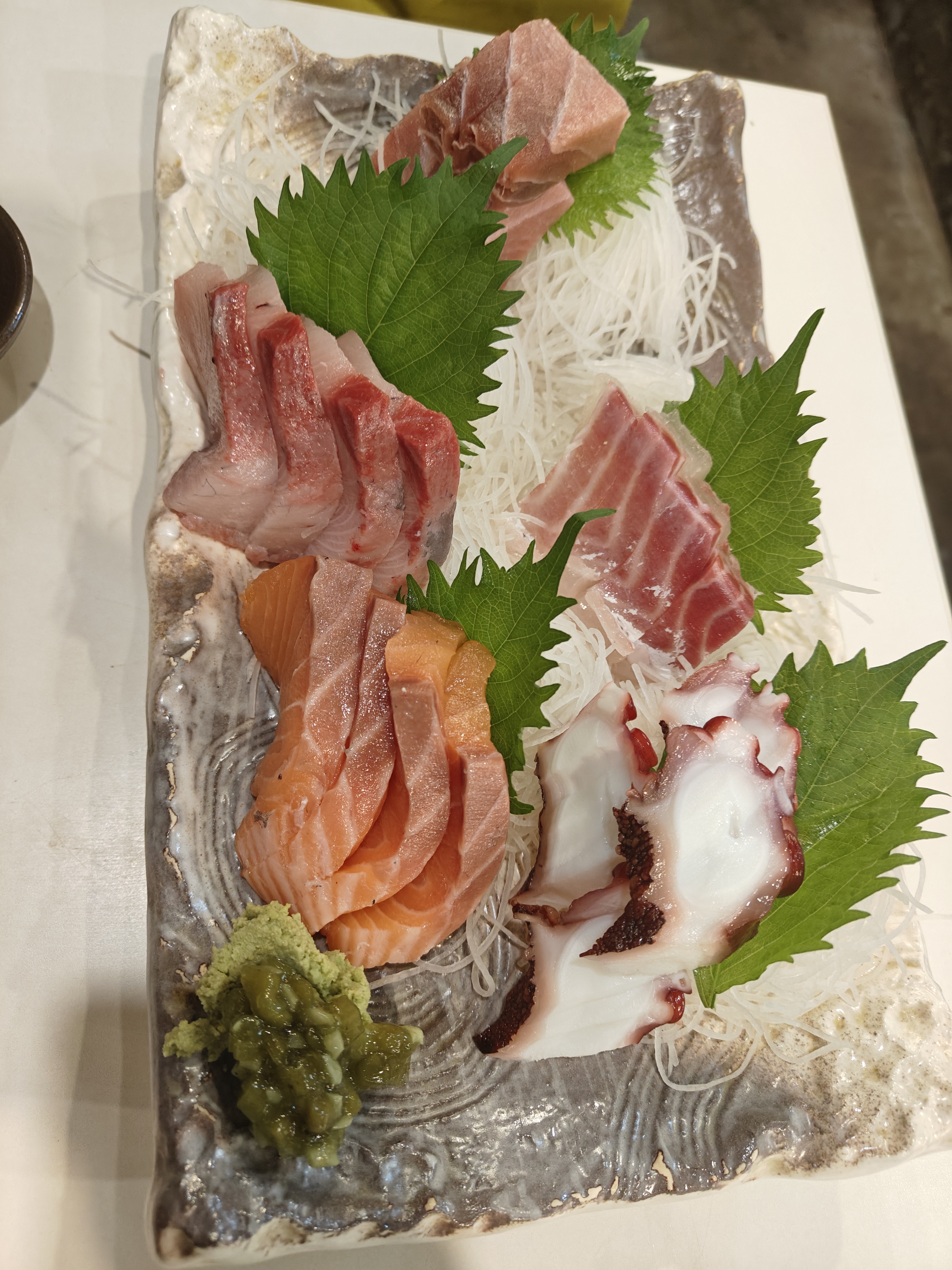
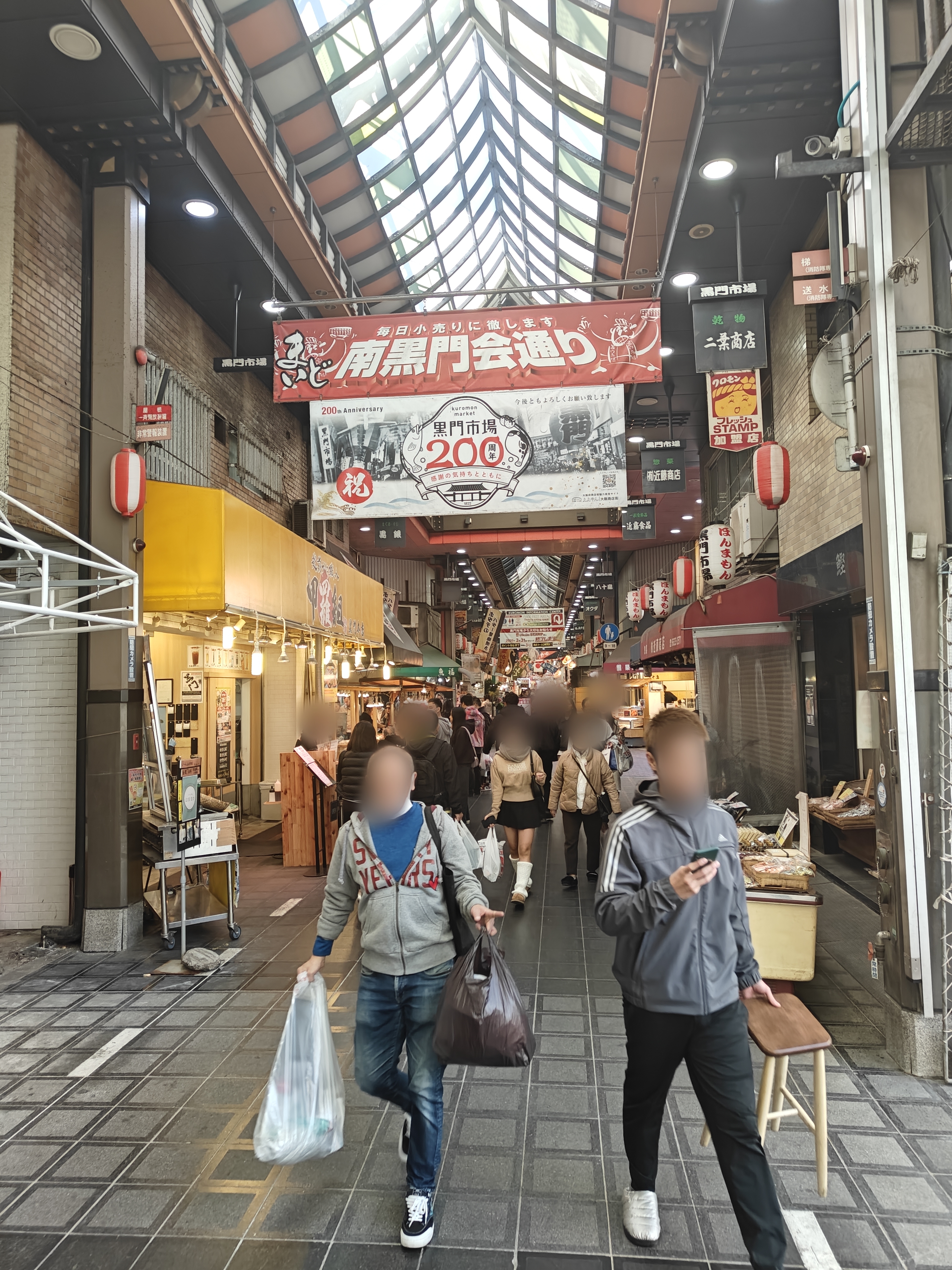
Around noon, we arrived at Kuromon Market for lunch, choosing to eat at Gōkaku Risshō Sushi. The sea urchin wasn’t as good as expected, and the sashimi wasn’t very cleanly prepared, but the taste was decent, and the value was high.
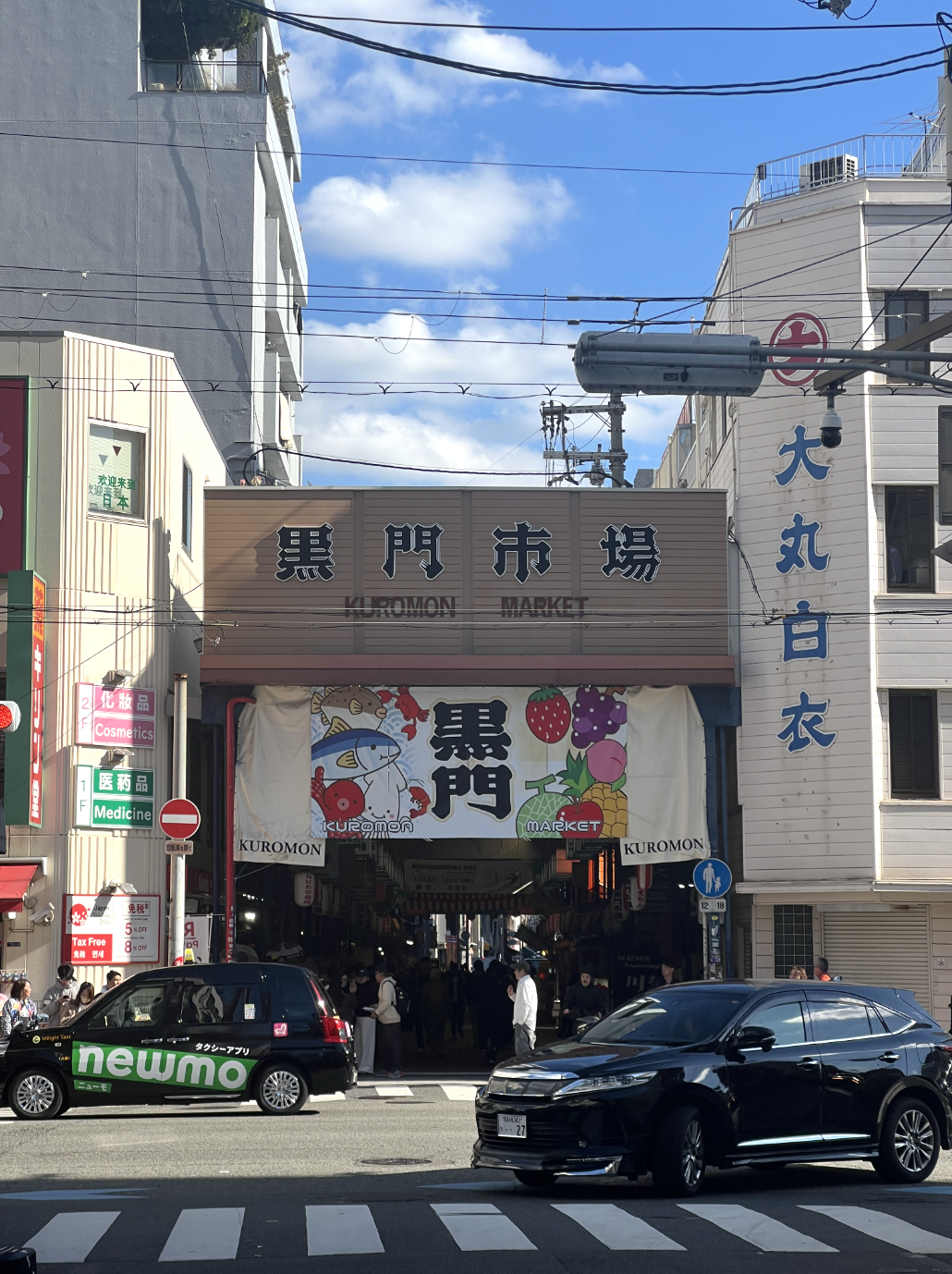
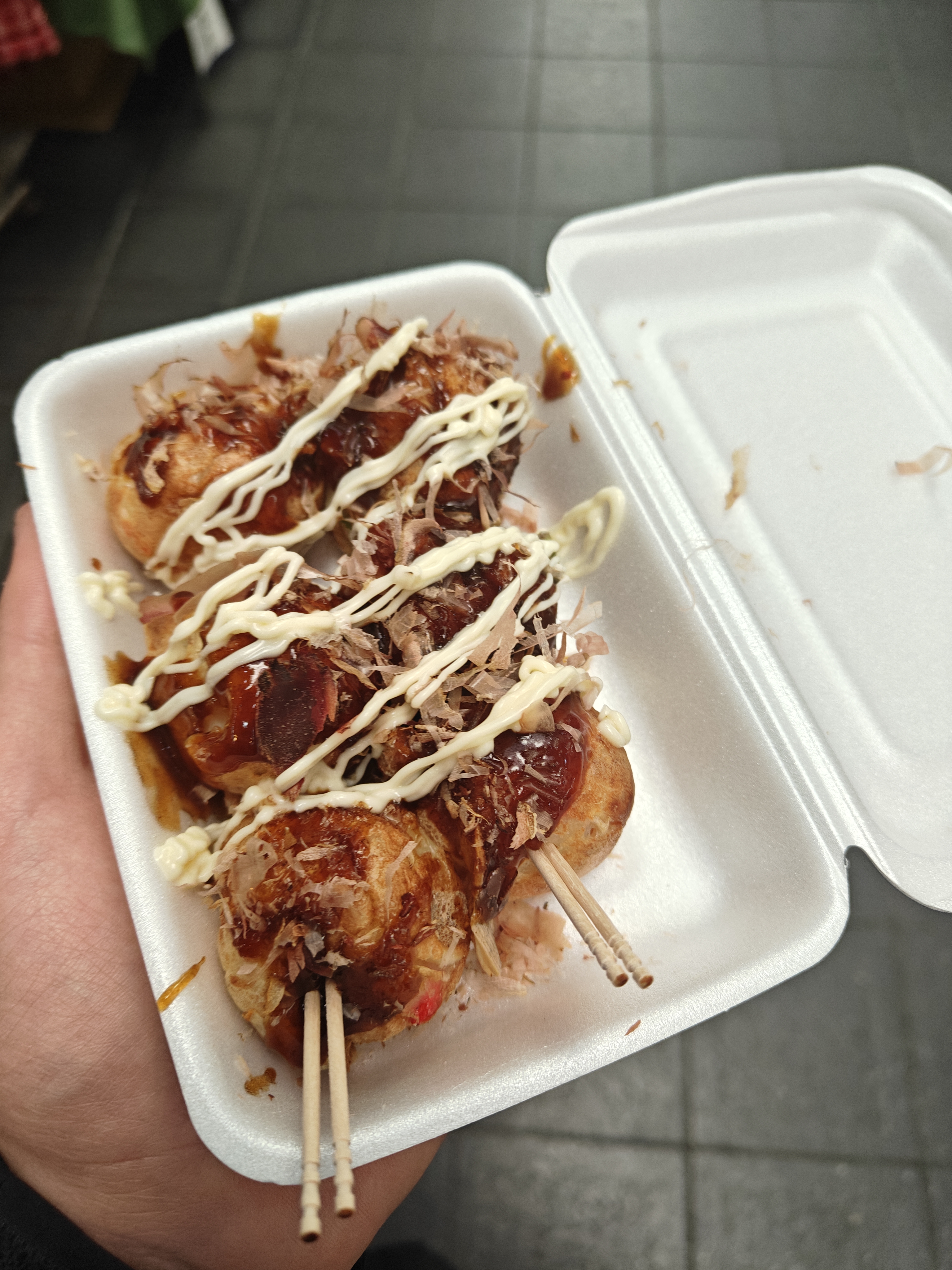
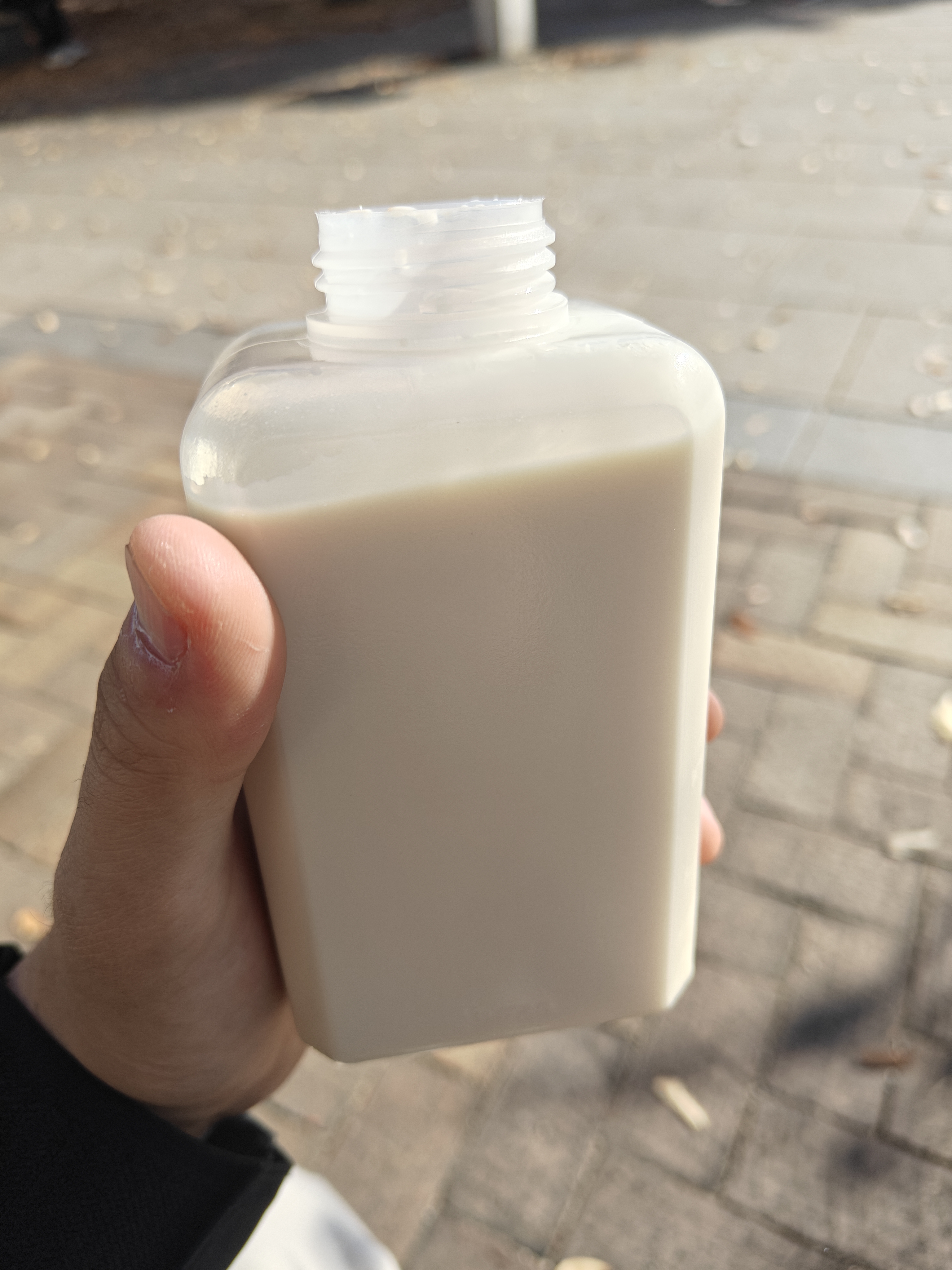
Then wandered around Kuromon Market, bought some takoyaki, but it had pickled ginger inside—I don’t like that; also bought unsweetened iced soy milk at Takahashi Tofu Shop, which had an indescribable taste (probably because it’s unsweetened).
There was still some time before checking into the Nara hotel, so I revisited Osaka Castle Park to make up for the first day’s regret. This time, I saw the Osaka Prefectural Police Headquarters and Tenshukaku during the daytime.
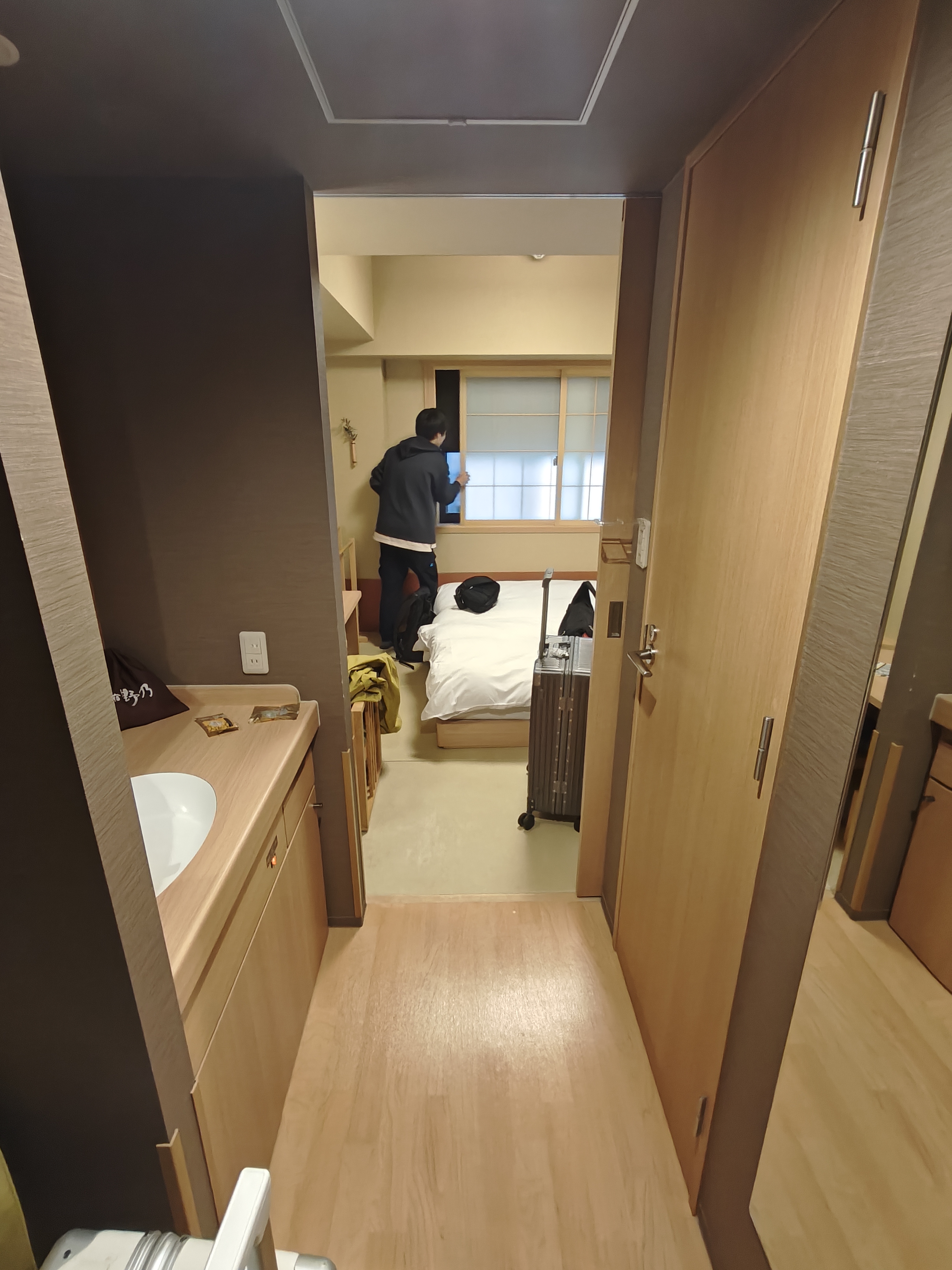
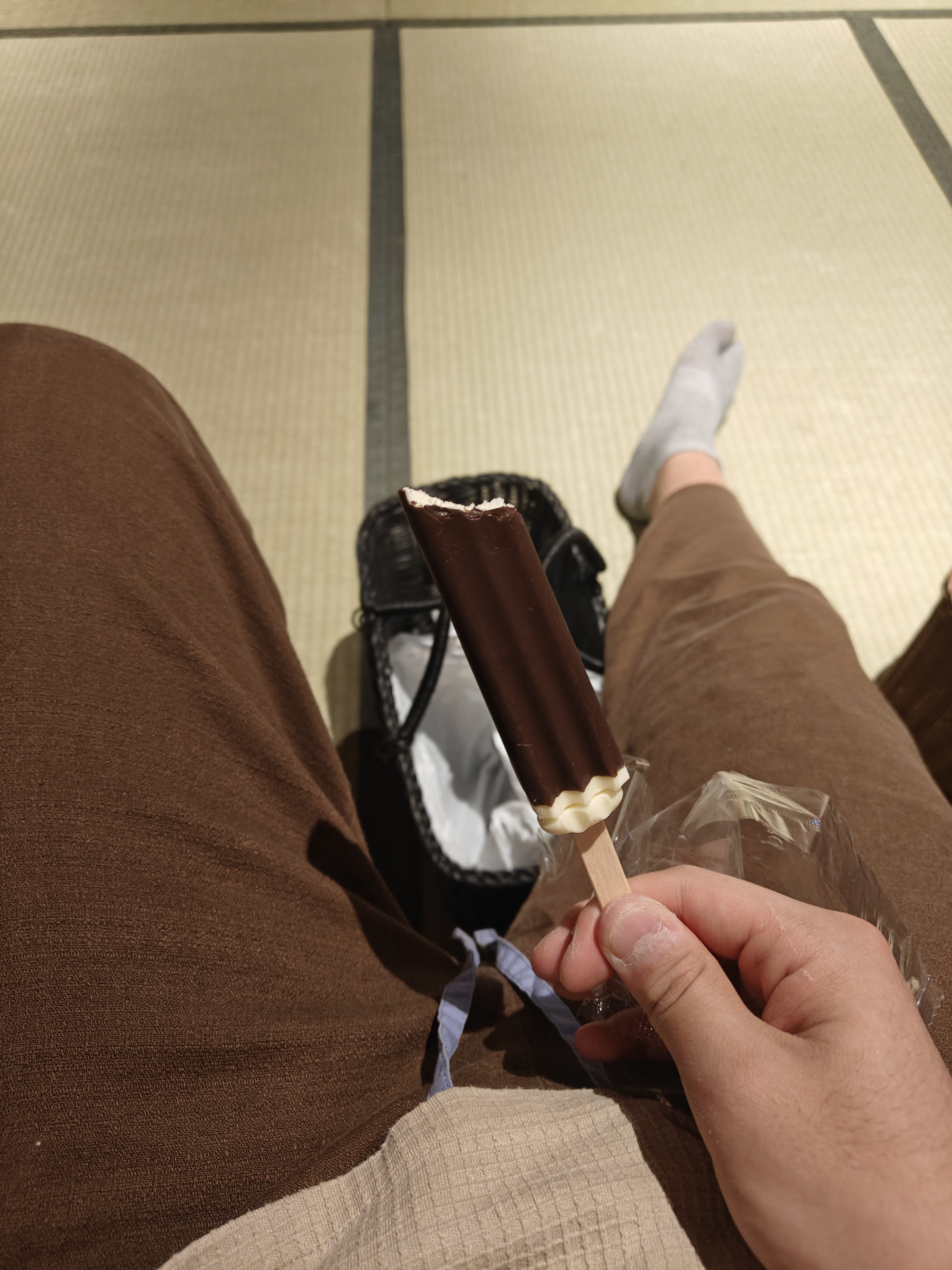
In the afternoon, checked into the Nara Onsen Hotel, which is about 200 meters from Nara Station—very convenient. The hotel’s rooms are all tatami, requiring shoes to be removed (they provide split-toe socks). The highlight is the natural hot spring large bath “Yoshino Sakura no Yu,” open from 3 p.m. to 10 a.m. the next day. I heard the breakfast here is excellent, so I added a 2500 yen breakfast.
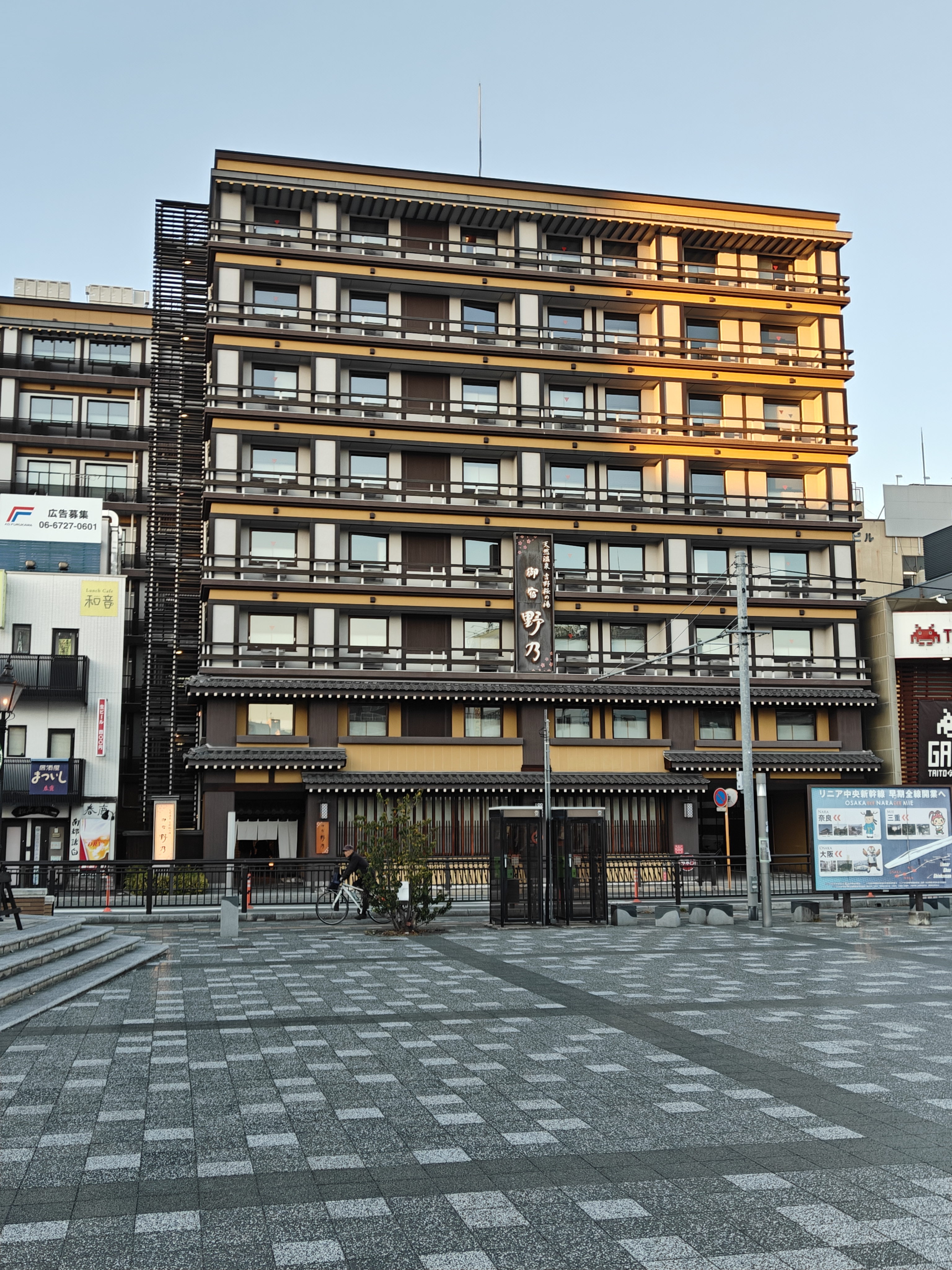
The hotel area is very well equipped—convenience stores, drugstores, JR station nearby, many good restaurants within walking distance. After resting until evening, we went to a nearby okonomiyaki restaurant (Suga-machi Okonomiyaki) for more Osaka-style pancakes. The place isn’t big, run by a kind old lady, seating only about four or five tables. Many locals and tourists from around the world dine here. The taste is good, and the price-performance ratio is high.
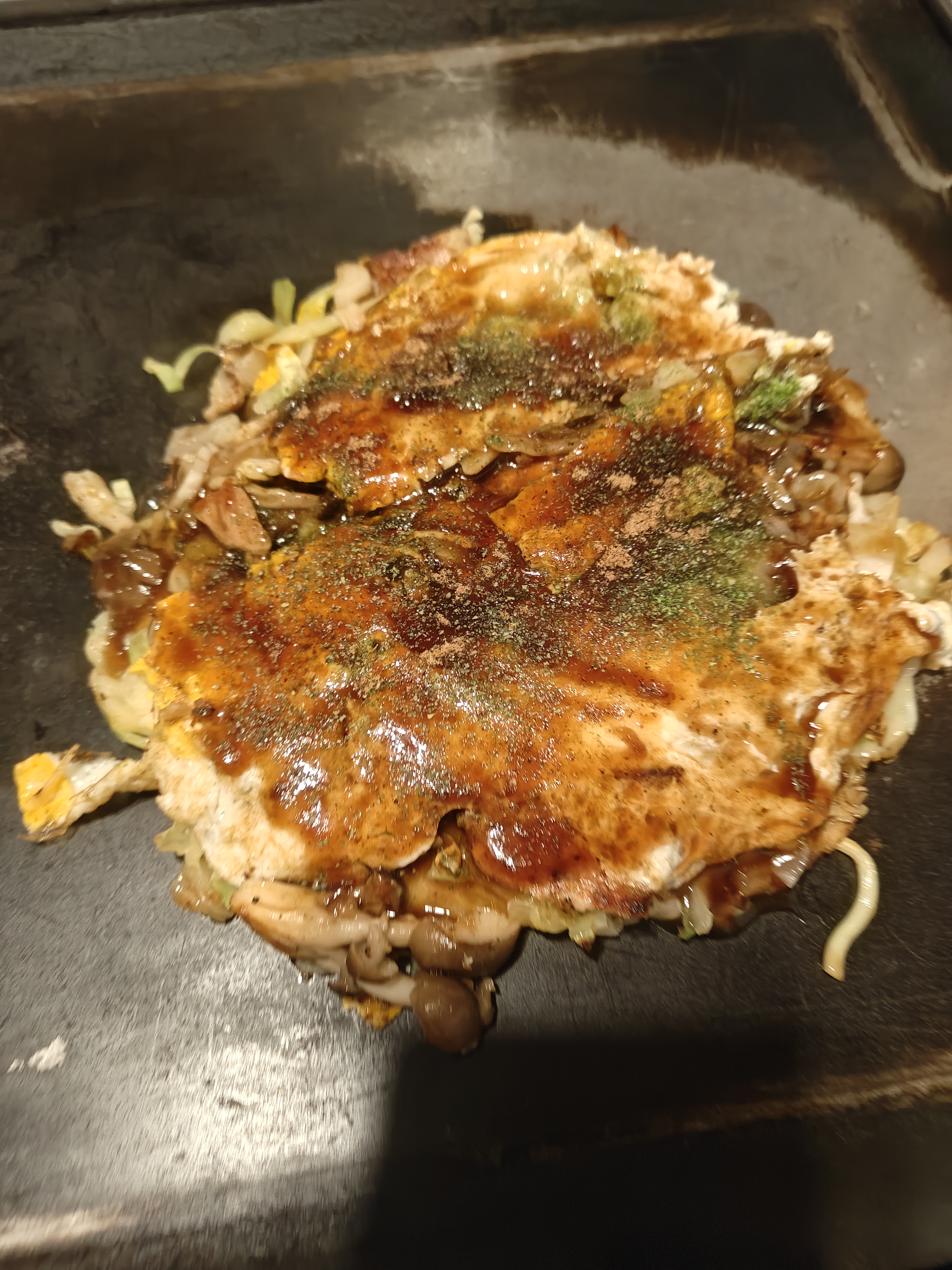
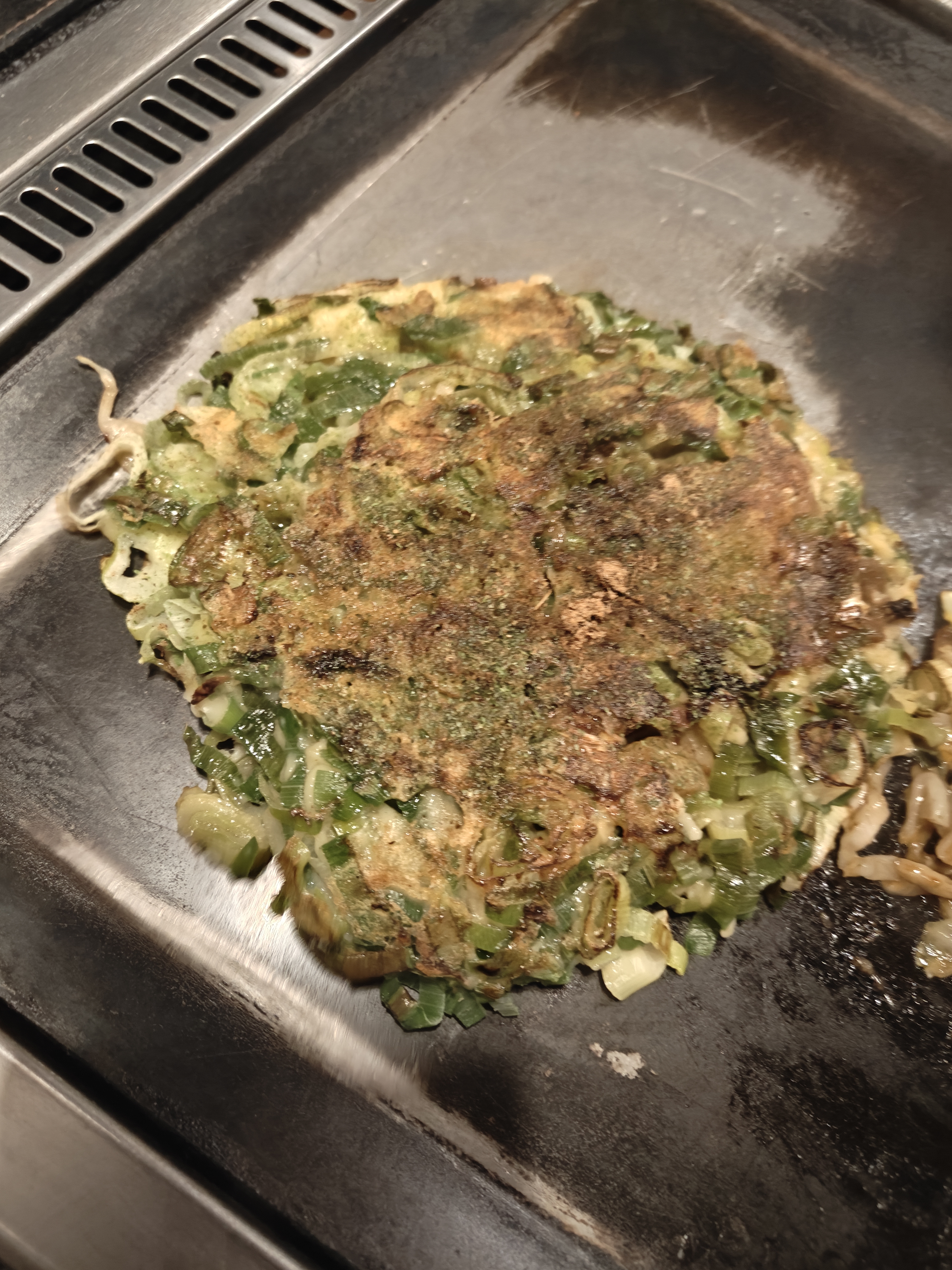
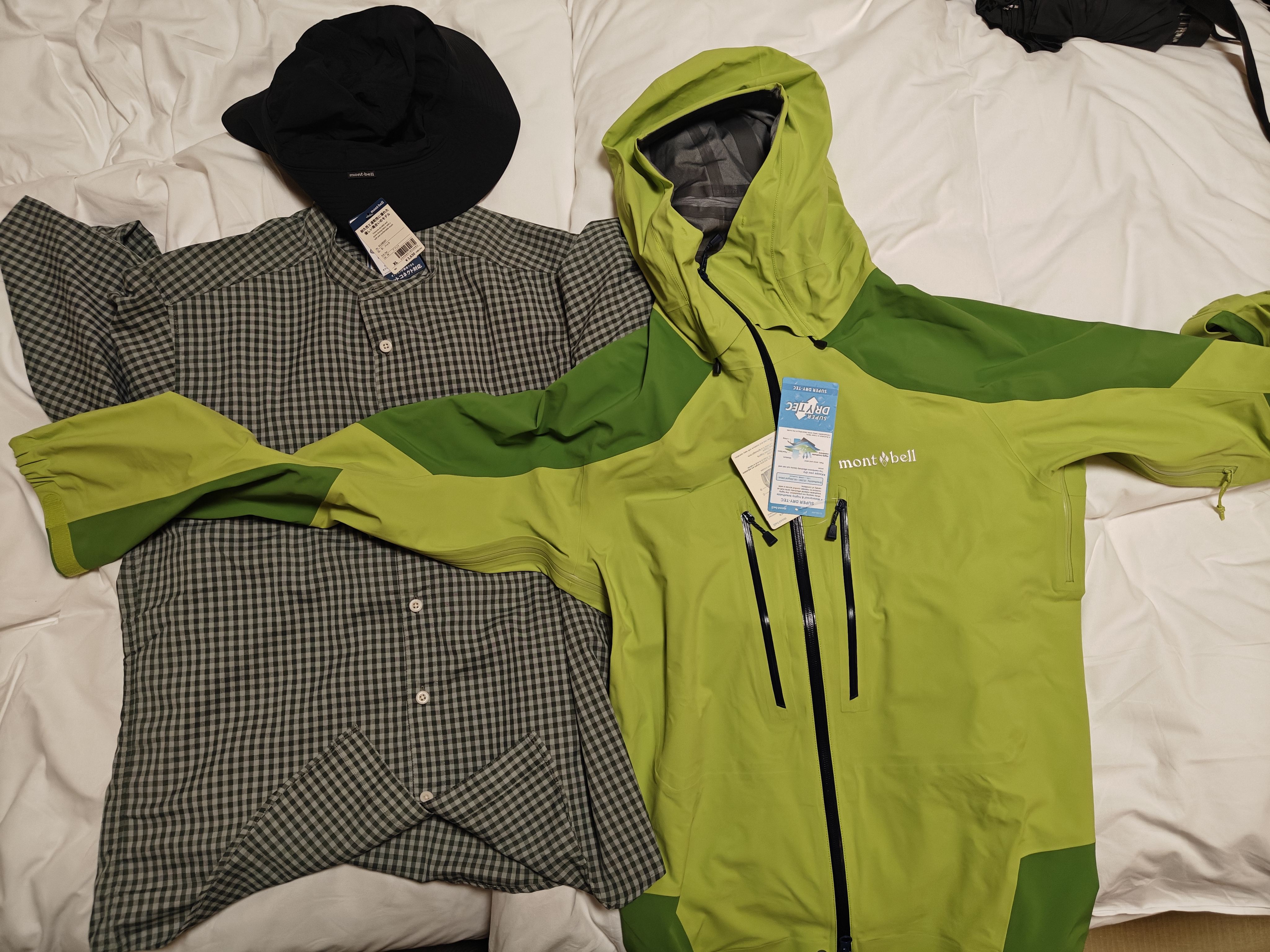
Then took bus 28 to Montbell in Nara. This Montbell is large, with discounts on some old models on the second floor (found a plaid shirt). Also bought a fisherman’s hat and a Stream Parka shell jacket (wallet cried). Although tax-free, there’s about a 3% extra fee. (No idea why Montbell doesn’t like to put English labels, had to struggle with katakana).
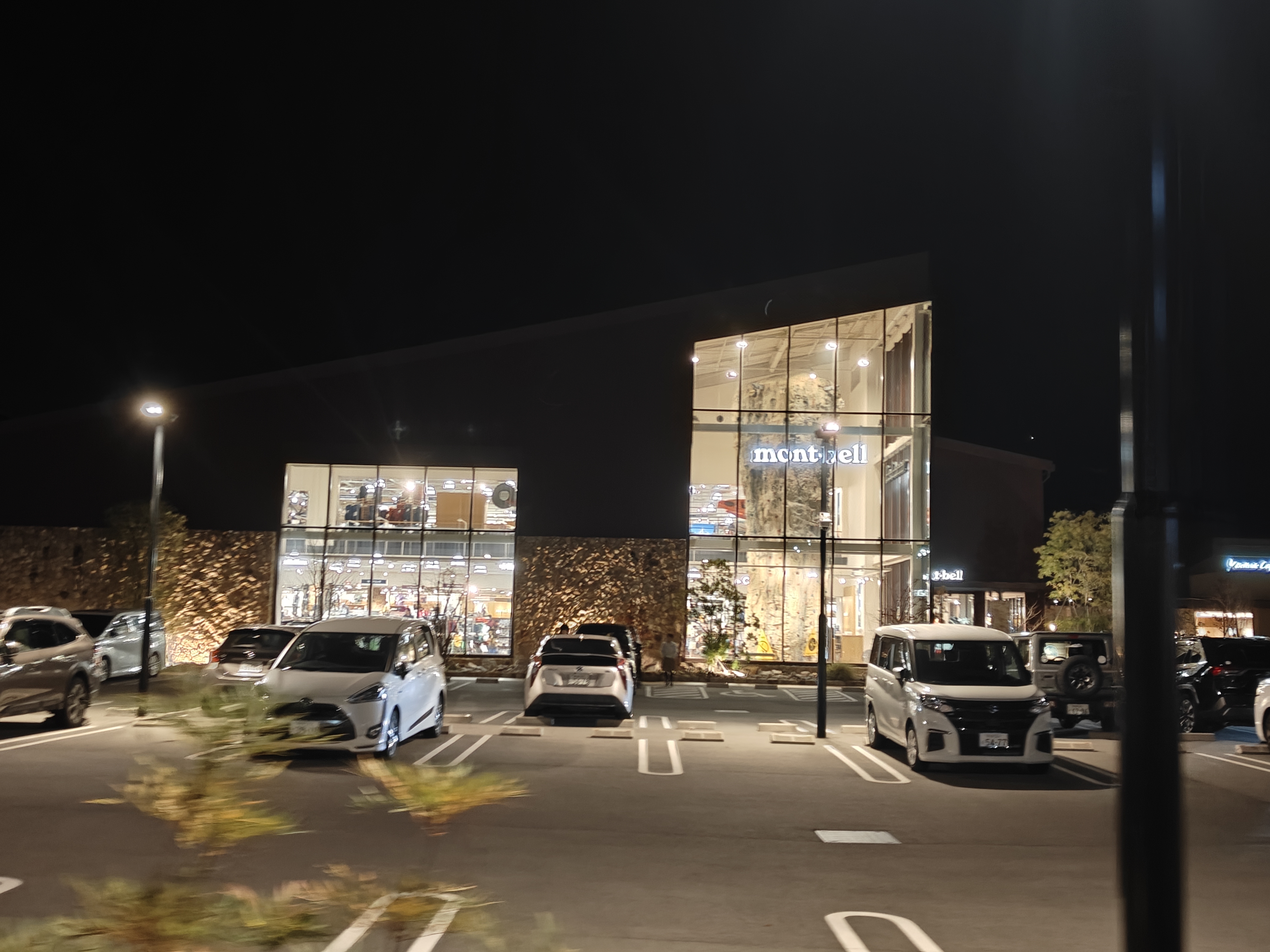
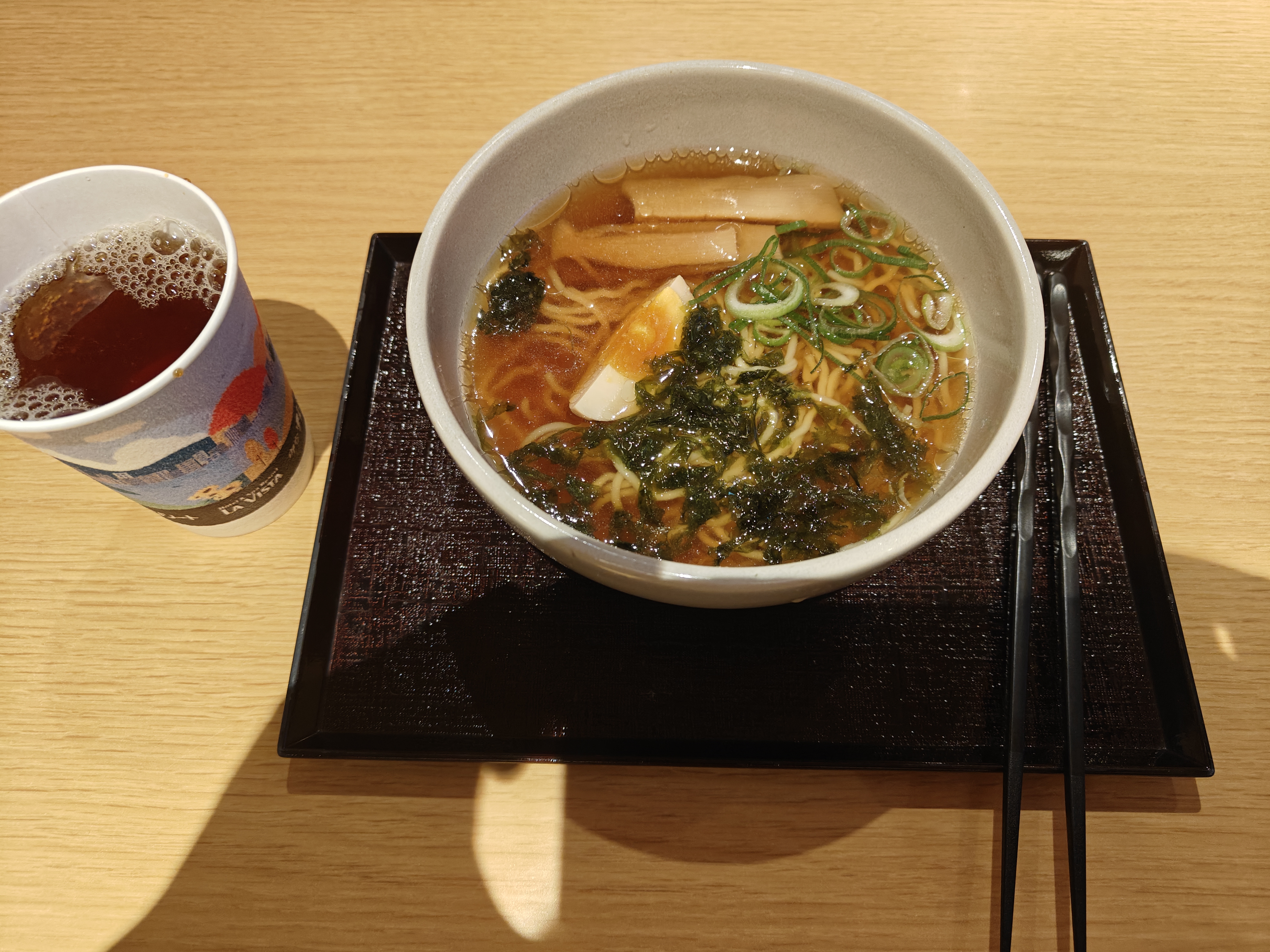
The bus back runs only every half hour, and it’s about a half-hour walk back to the hotel, so I chatted along the way and walked back to the city. The evening city was very quiet. After returning, of course, I enjoyed the hot spring and had some soy sauce ramen.
Day 6 - Nara
Although staying three nights in Nara, we only had one day to explore. The main route was around Todai-ji, Nara Park, and Kasuga Taisha, skipping the more distant Yakushiji and Hōryū-ji.
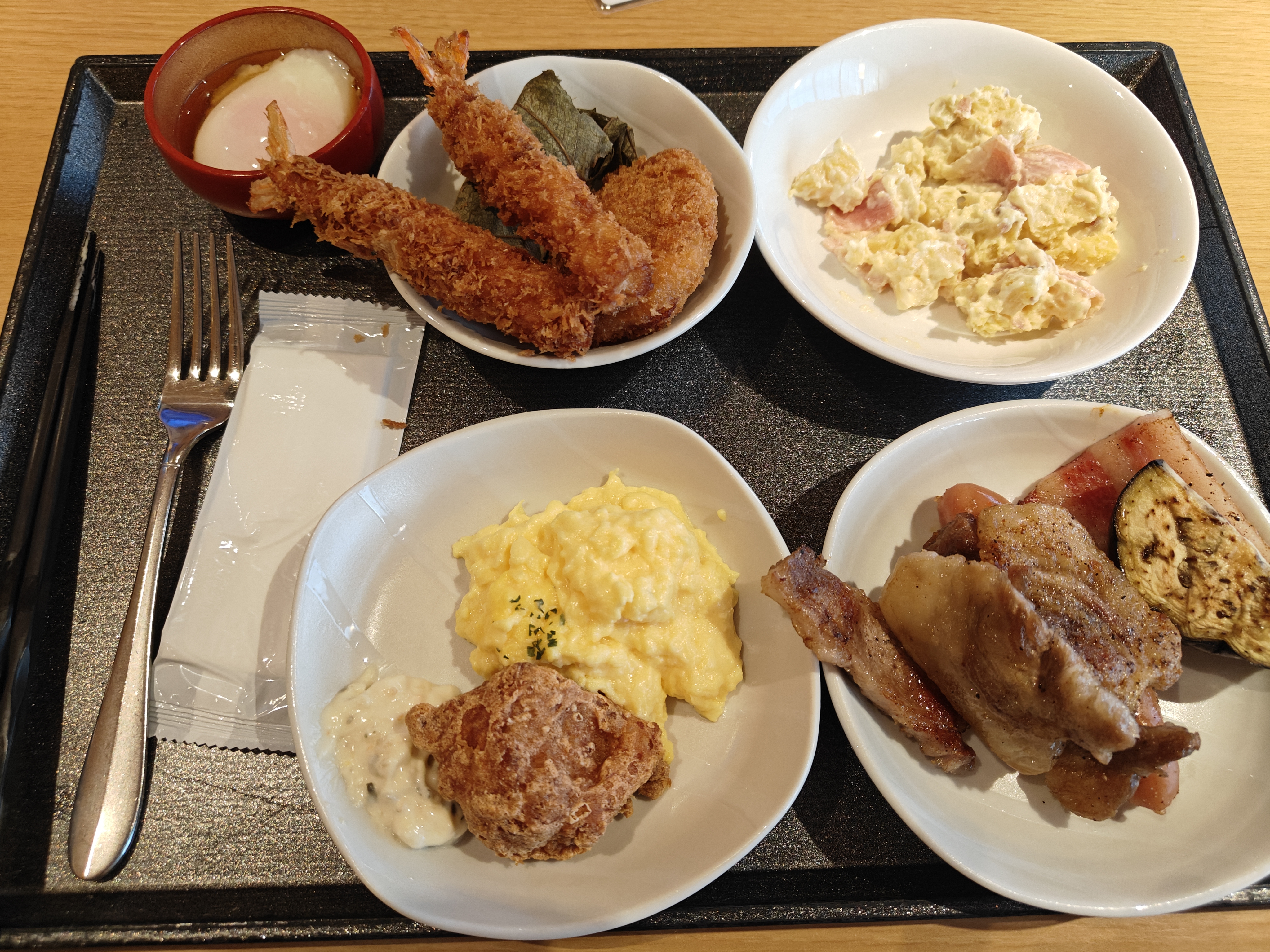
We first enjoyed a delicious breakfast (buffet style) at the hotel, then headed to Kōfuku-ji. From there, you can see more and more deer herds, and many places sell deer crackers for 200 yen per portion. But after being bitten by a stray cat in the dorm earlier this year and getting rabies shots, I was too scared to feed the deer all day, only gently touching their backs when others did.
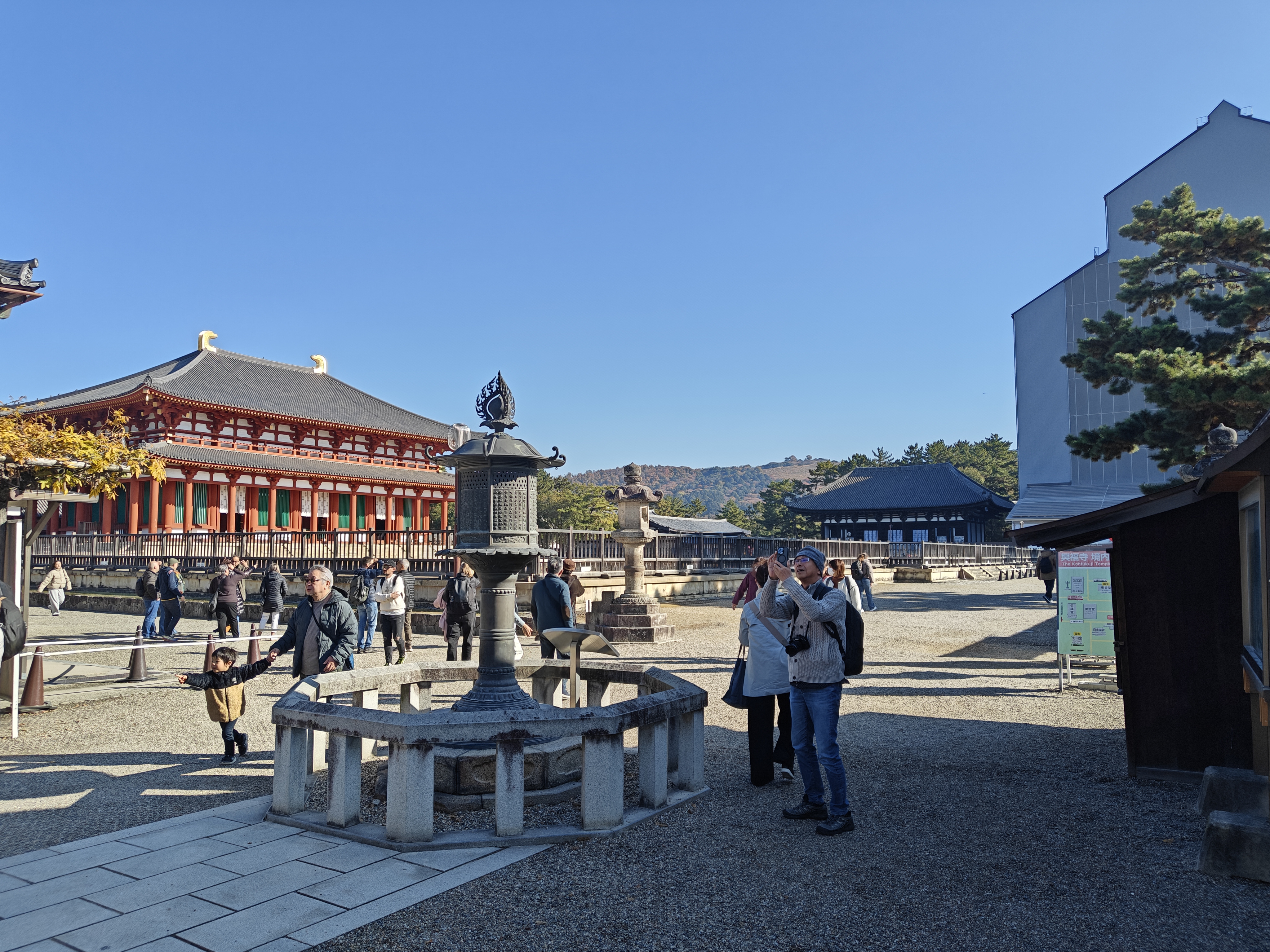
Then went to Todai-ji, where I met very cute little deer on the way. The exterior of Todai-ji looks very grand—worthy of being a UNESCO World Heritage site.
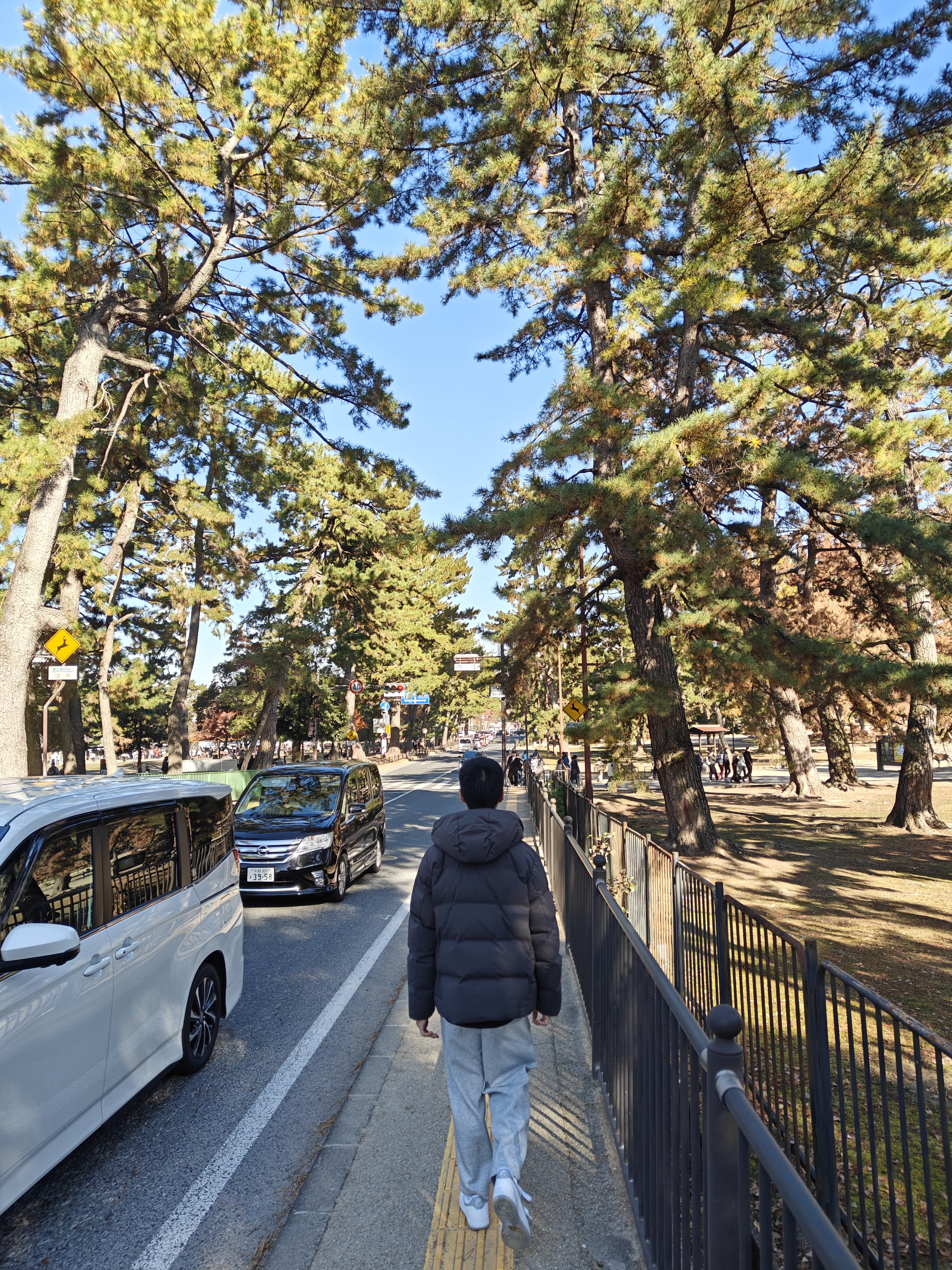
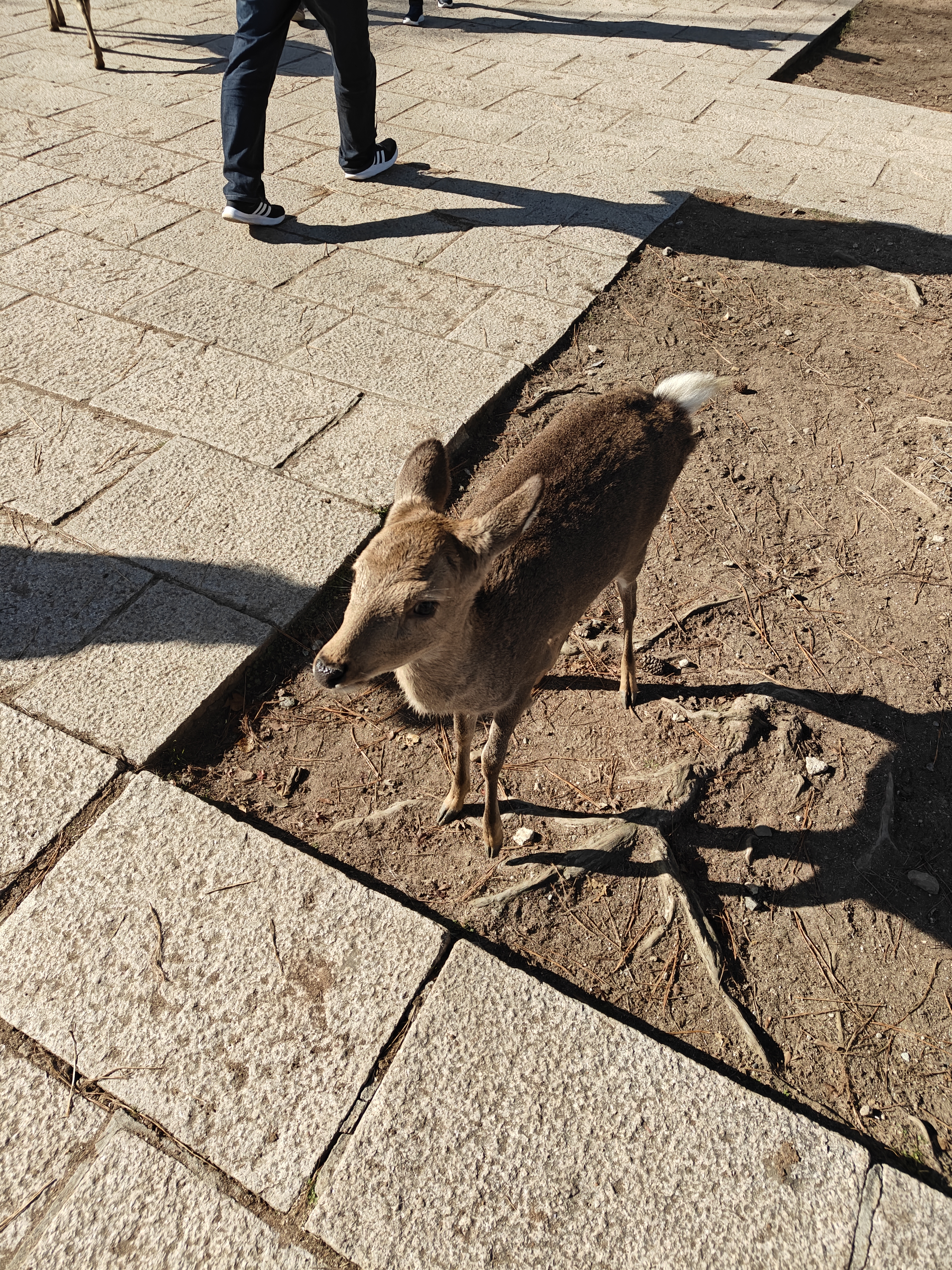
Throughout the day, I saw many elementary and middle school groups visiting for educational tours. I envy them from the bottom of my heart—my school days only involved studying.
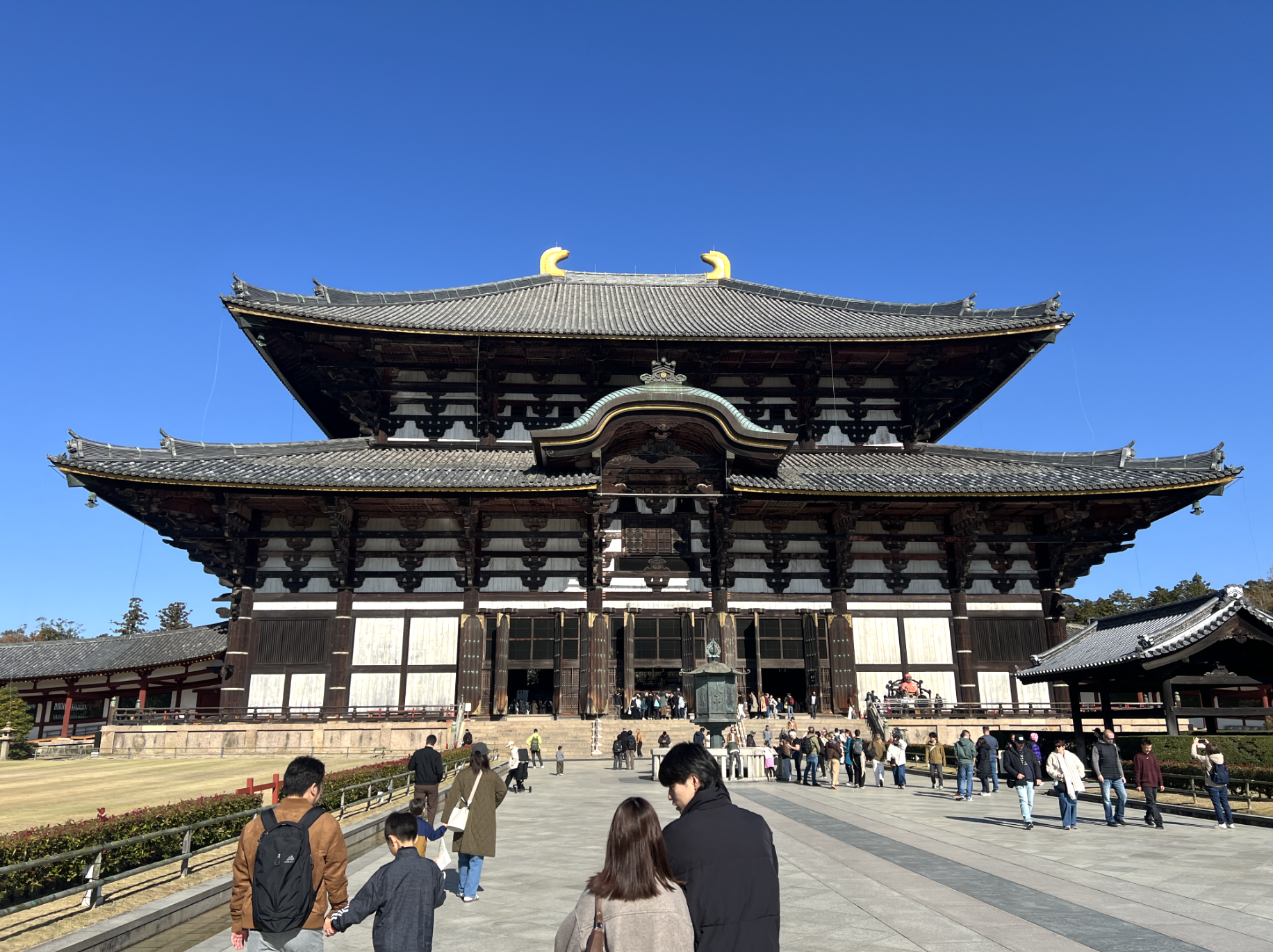
Leaving Todai-ji, we crossed Nara Park and planned to visit Kasuga Taisha. Since there weren’t many dining options nearby, we had a simple tempura udon at Mizutani Chaya on the hillside, which was straightforward but tasty. Kasuga Taisha is very beautiful, but no photos allowed inside, so I can only say it’s very impressive.
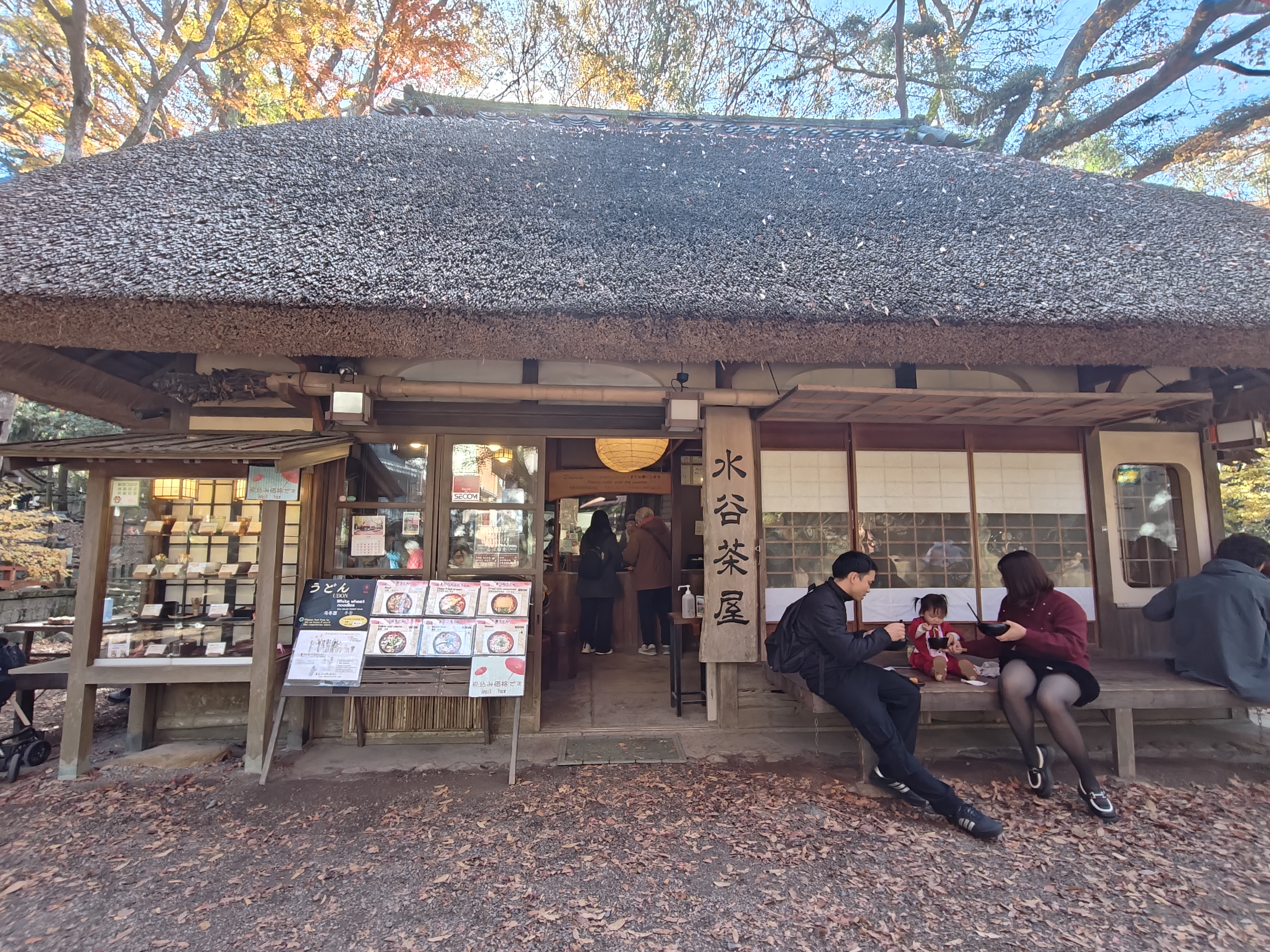
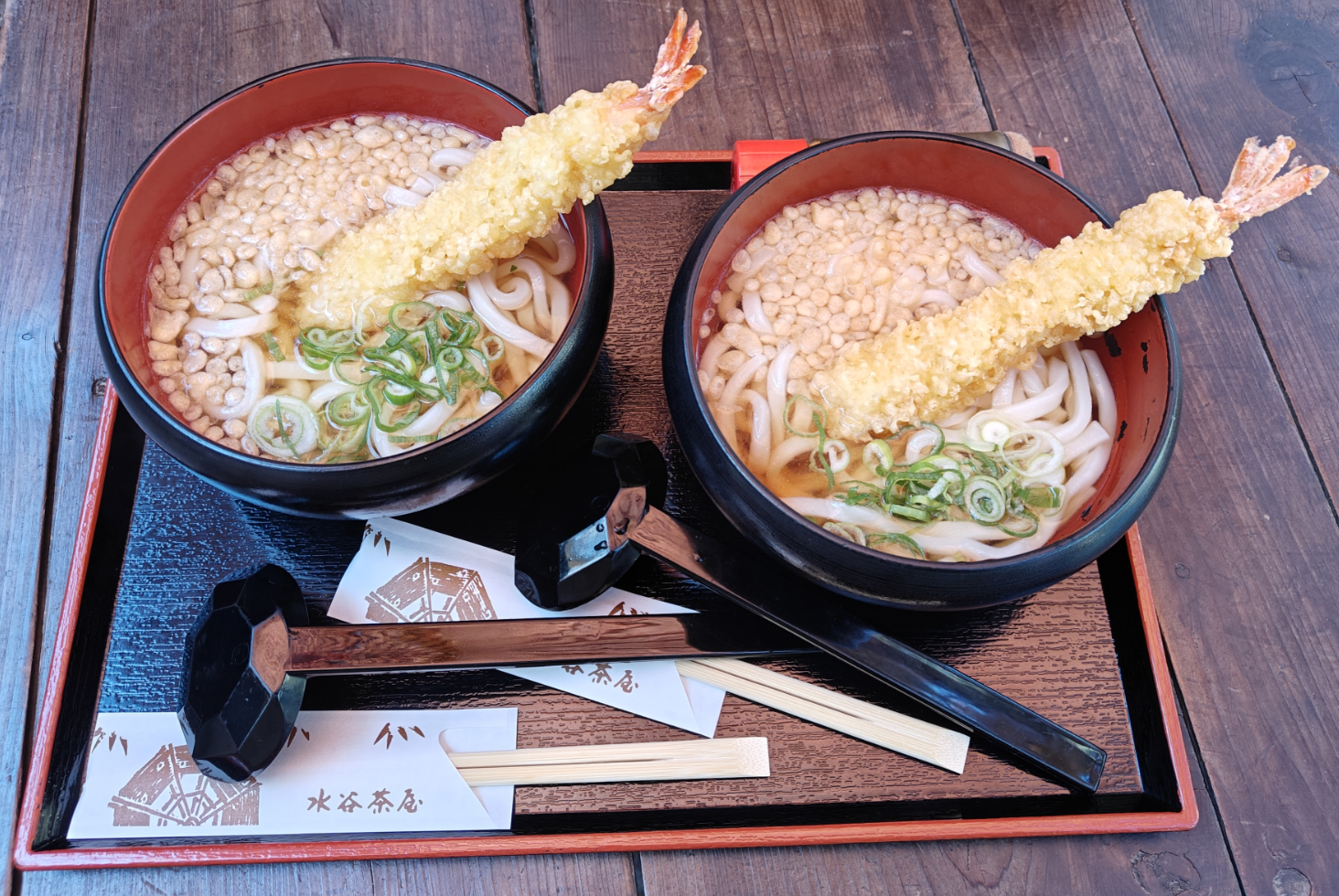
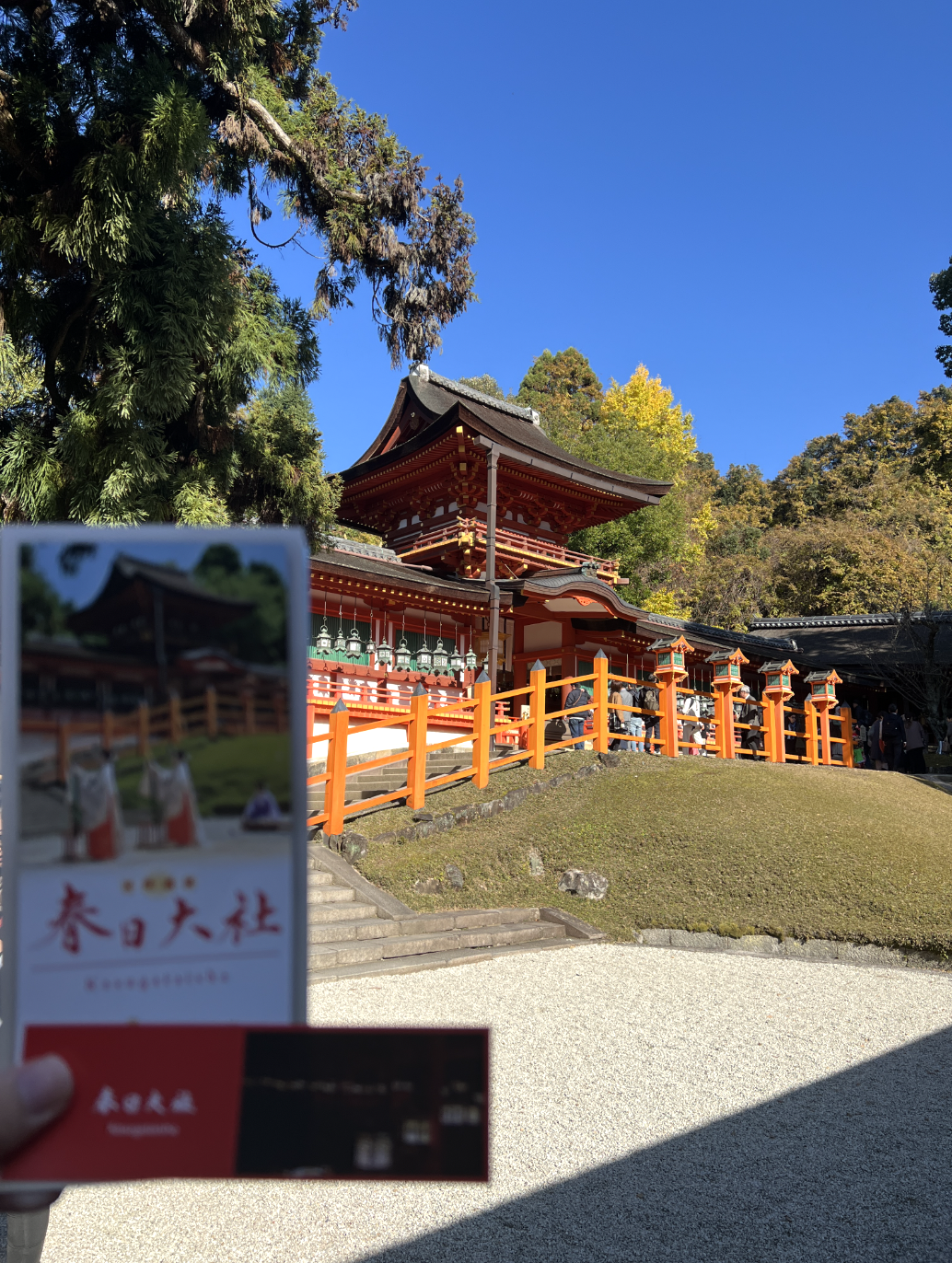
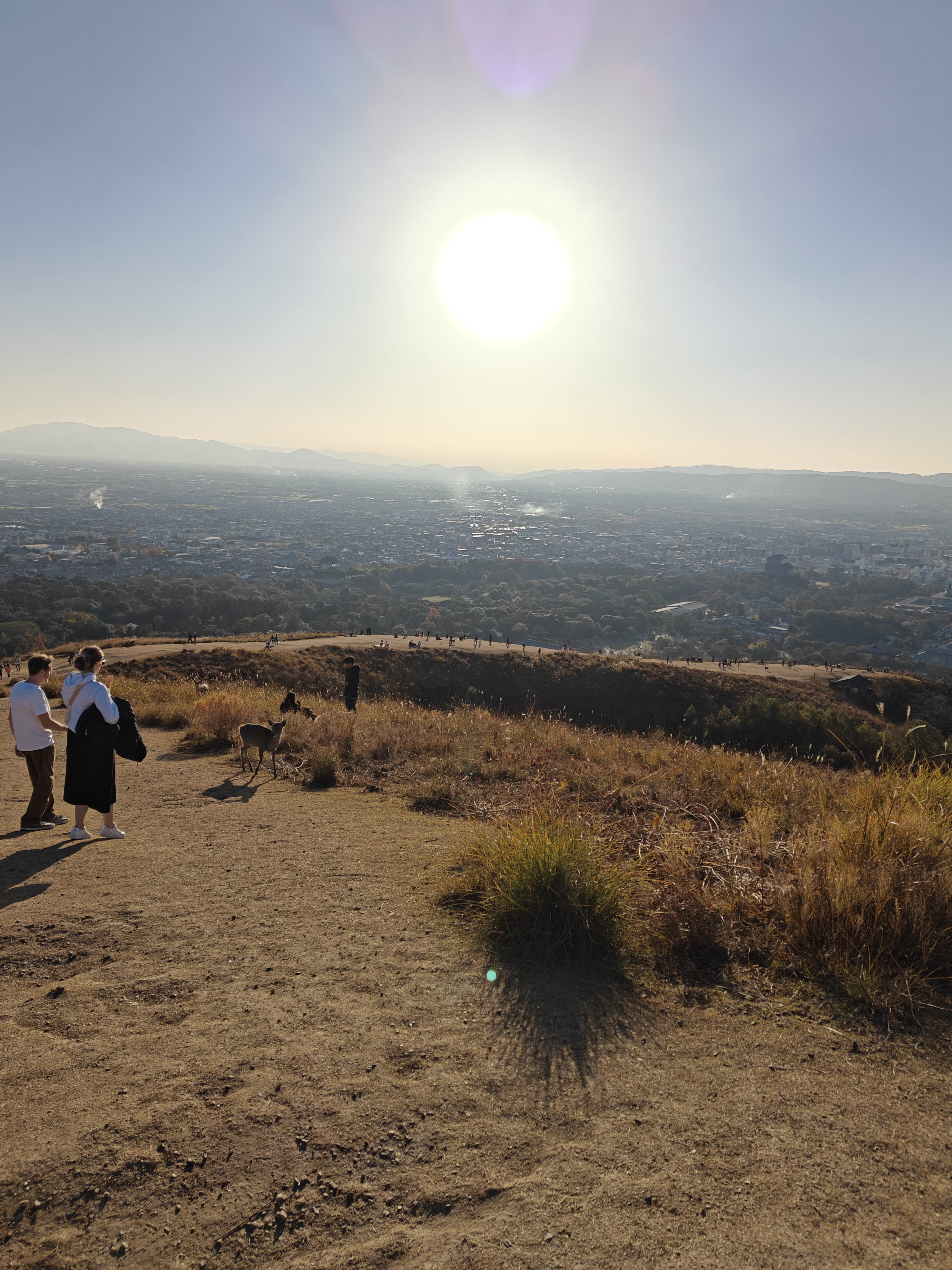
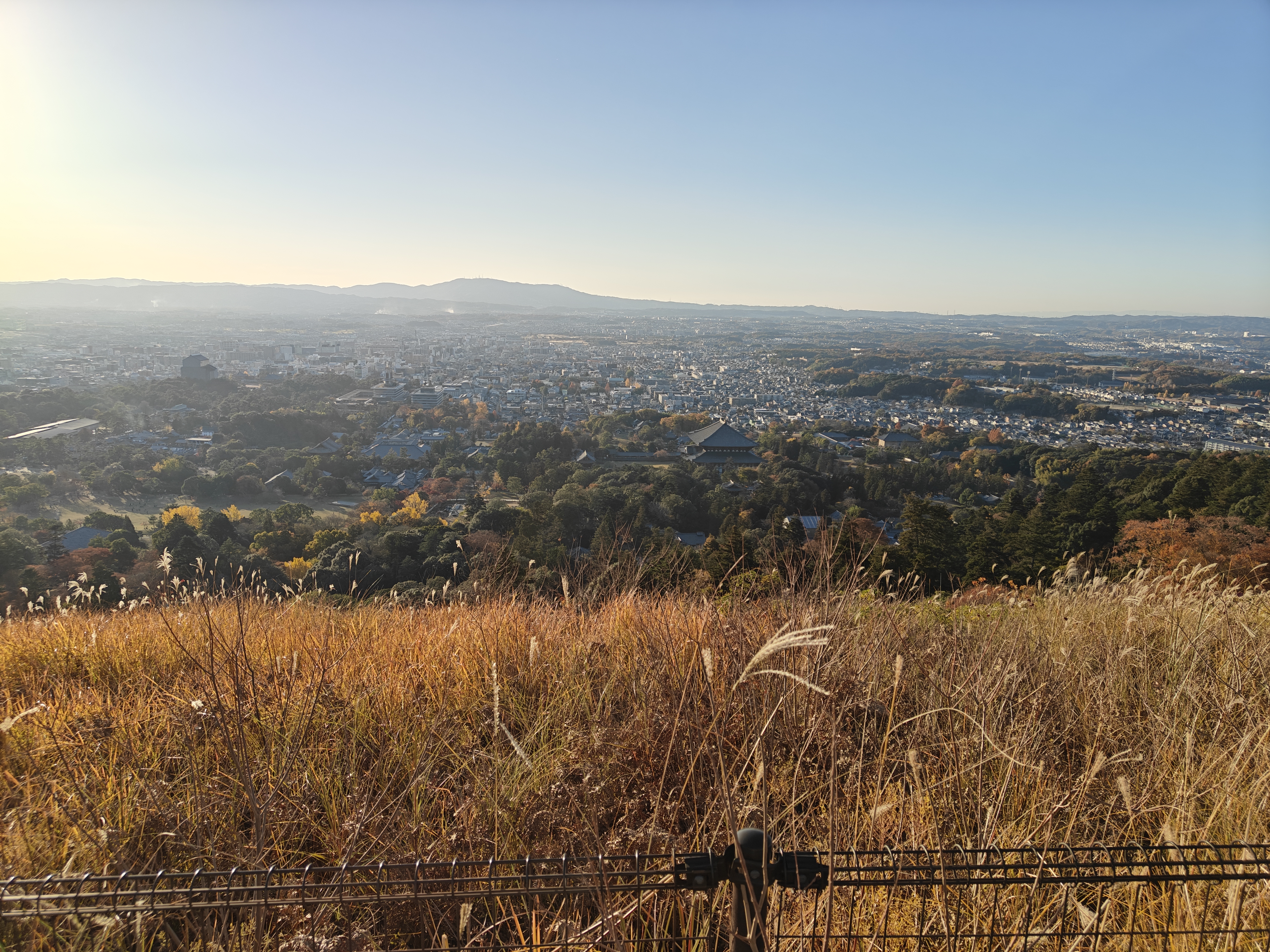
Then we went to Wakakusa-yama. I thought it was just a small hill, but unexpectedly, I got caught in a strenuous climb. Finally, I reached the top after a tough effort, and the view was quite nice.
Every year on the fourth Saturday of January, there’s a Wakamusa-yama fire festival. During that time, the mountain is closed.
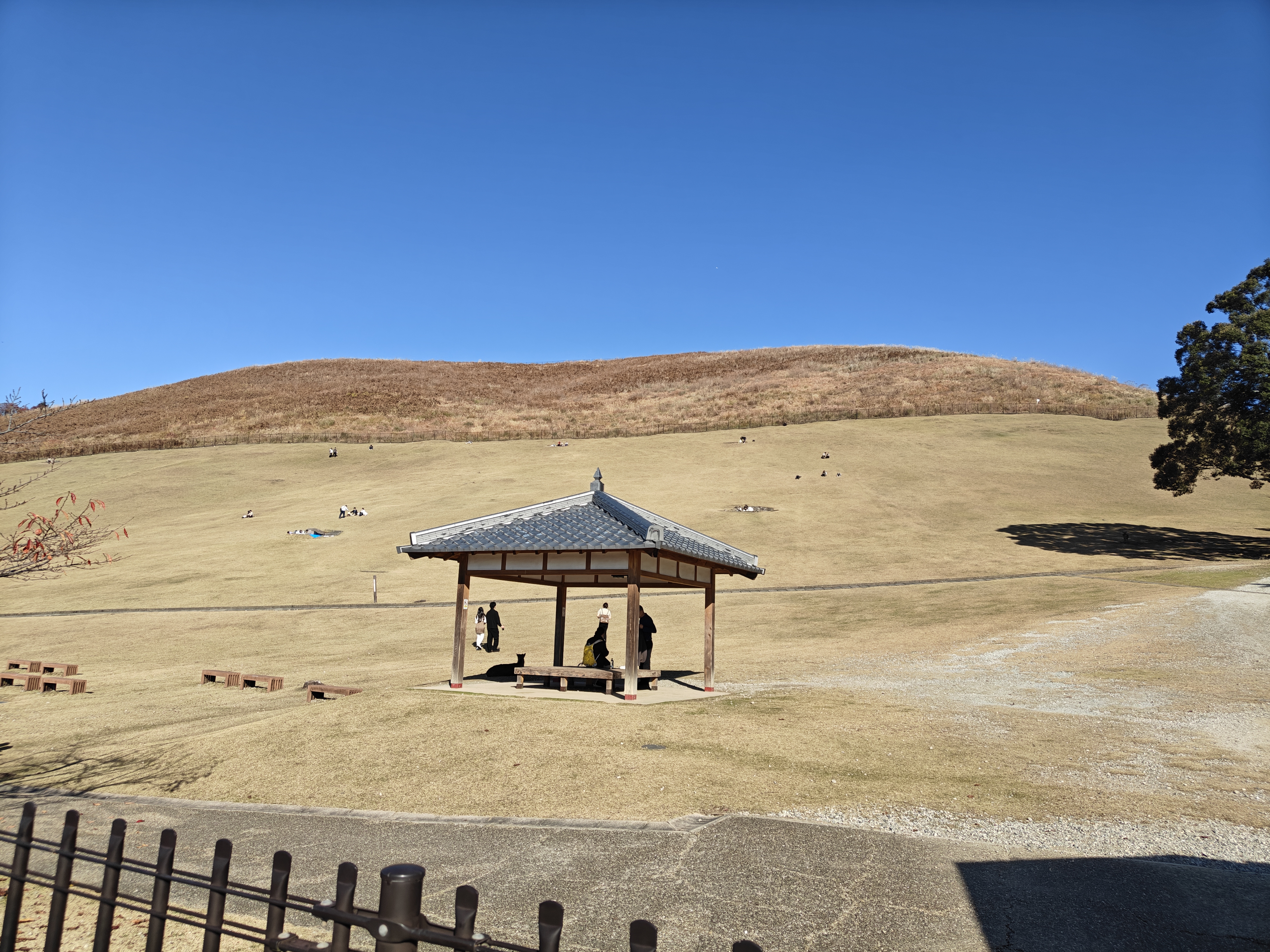
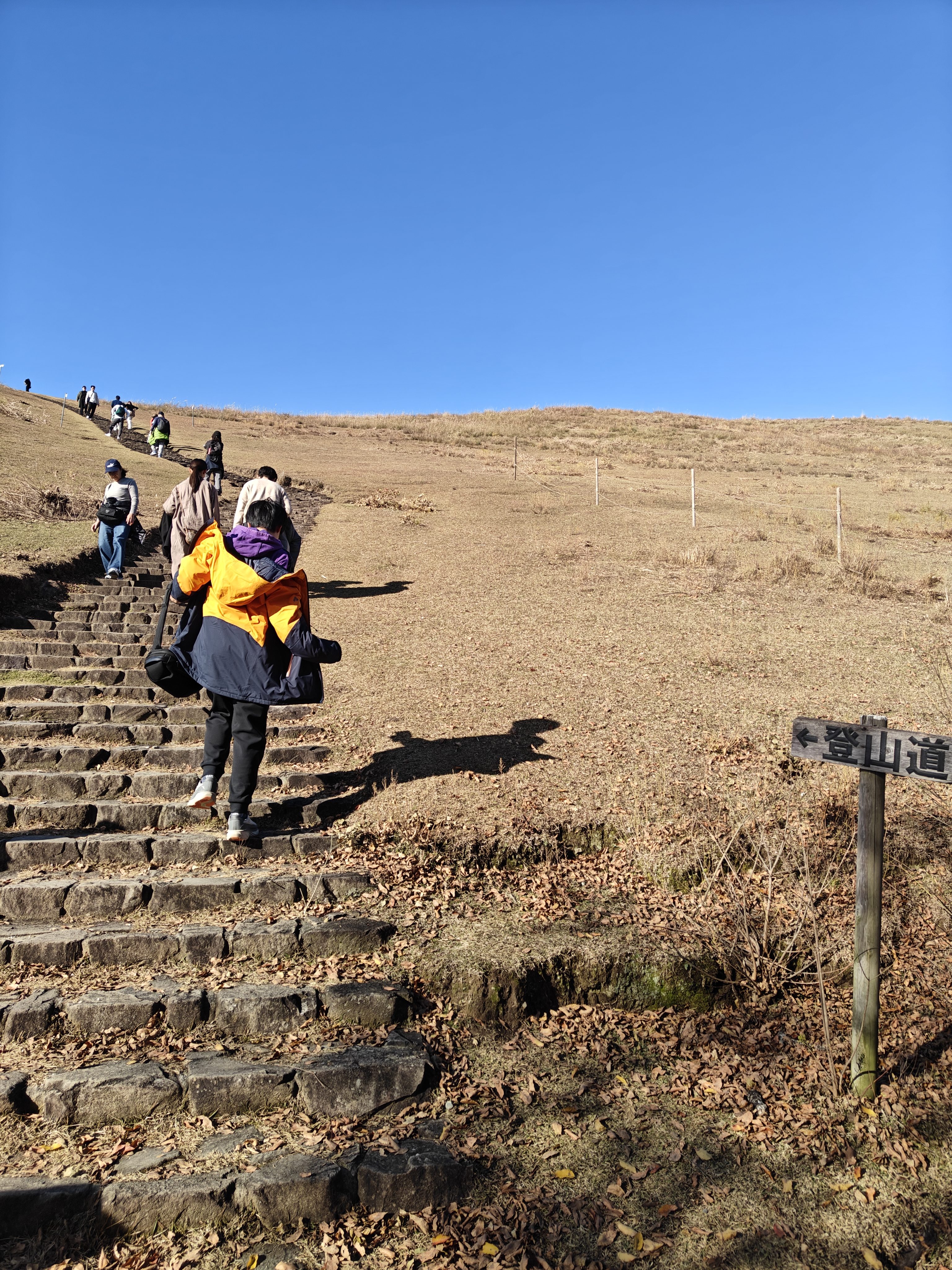
Originally, I wanted to wait for sunset here, but it was two hours away, so I couldn’t wait and descended early. The path from Kasuga Taisha to Ichinomiyamichi is very quiet, perhaps with a hint of Zen.
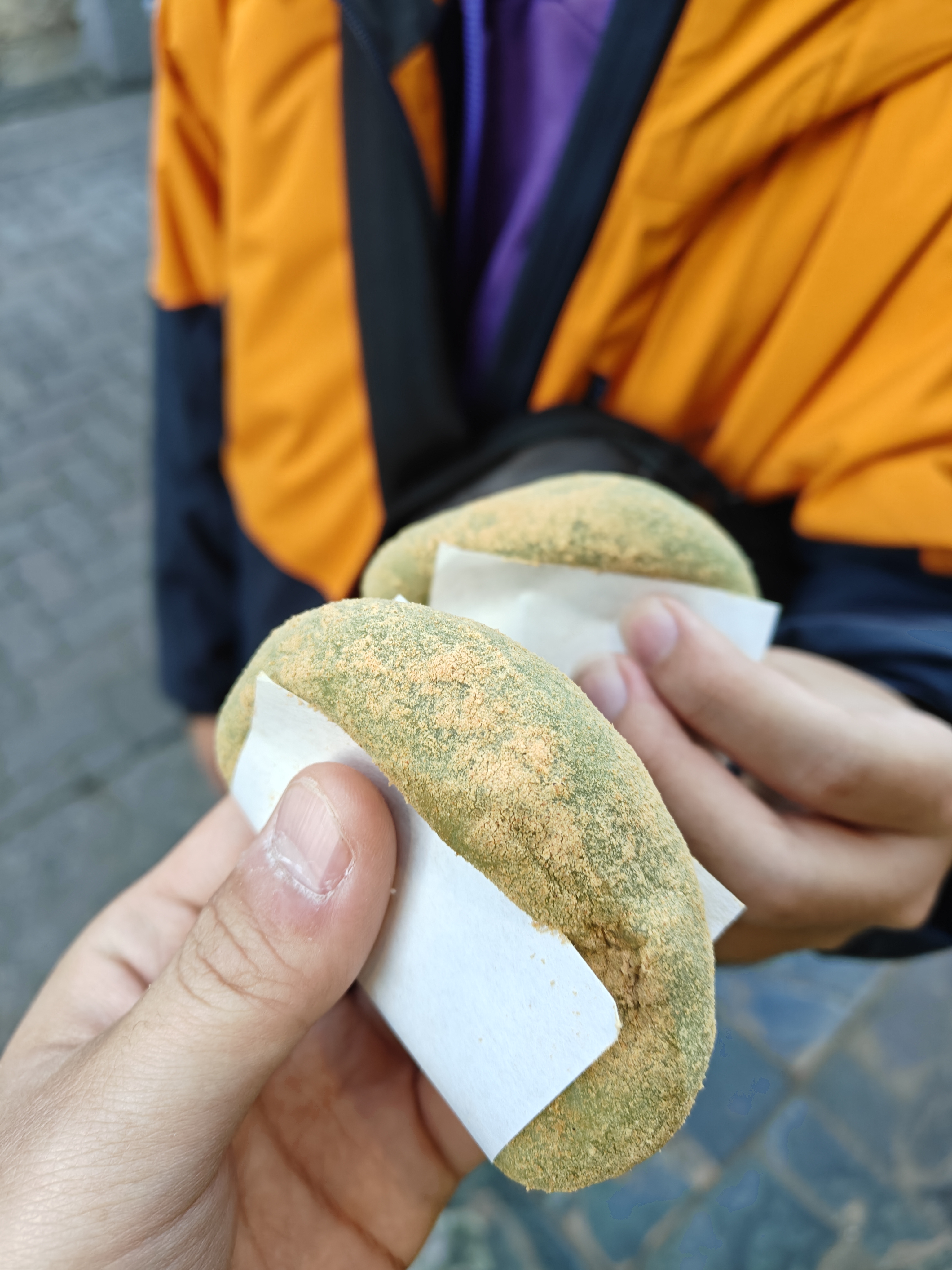
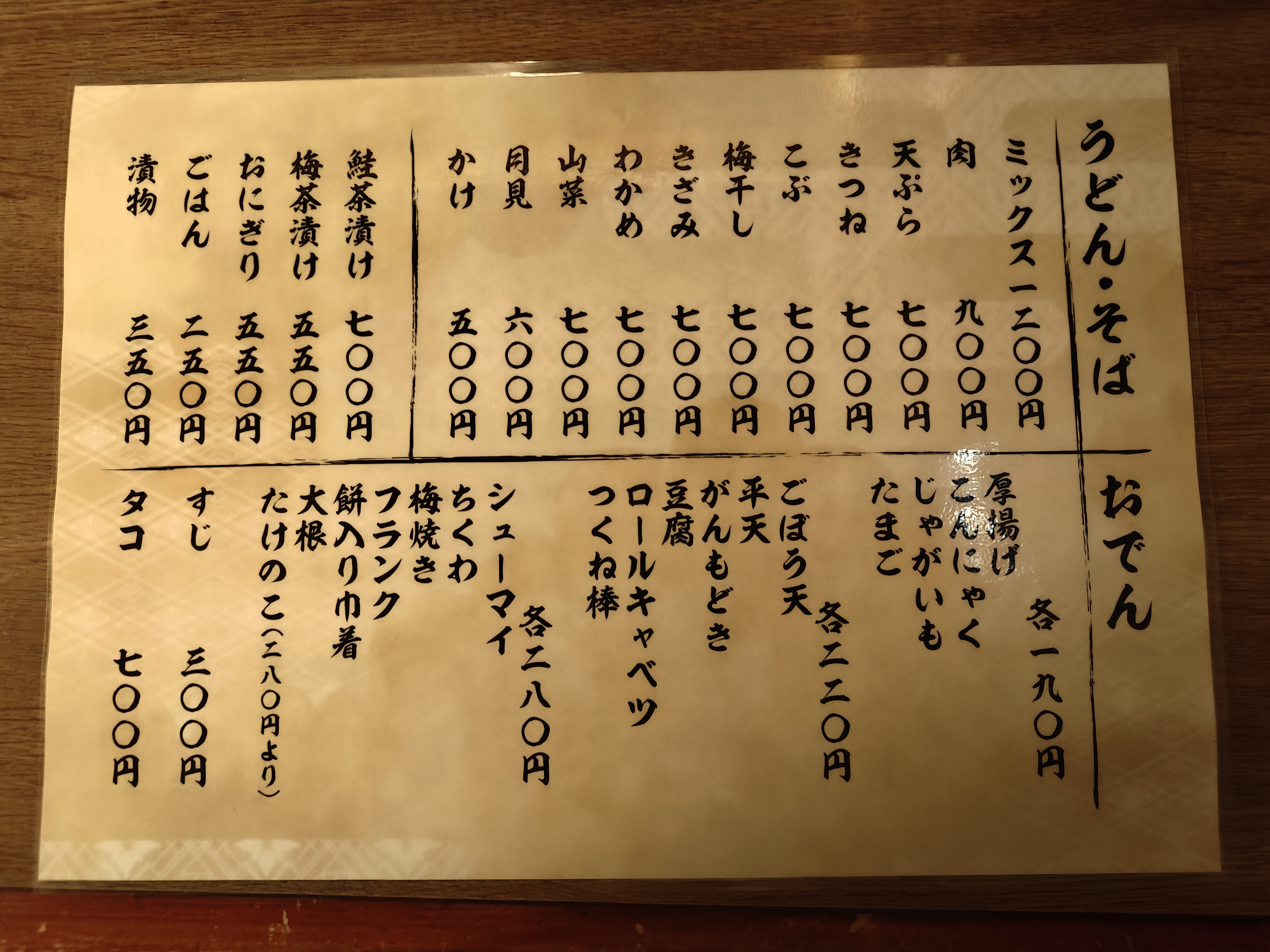
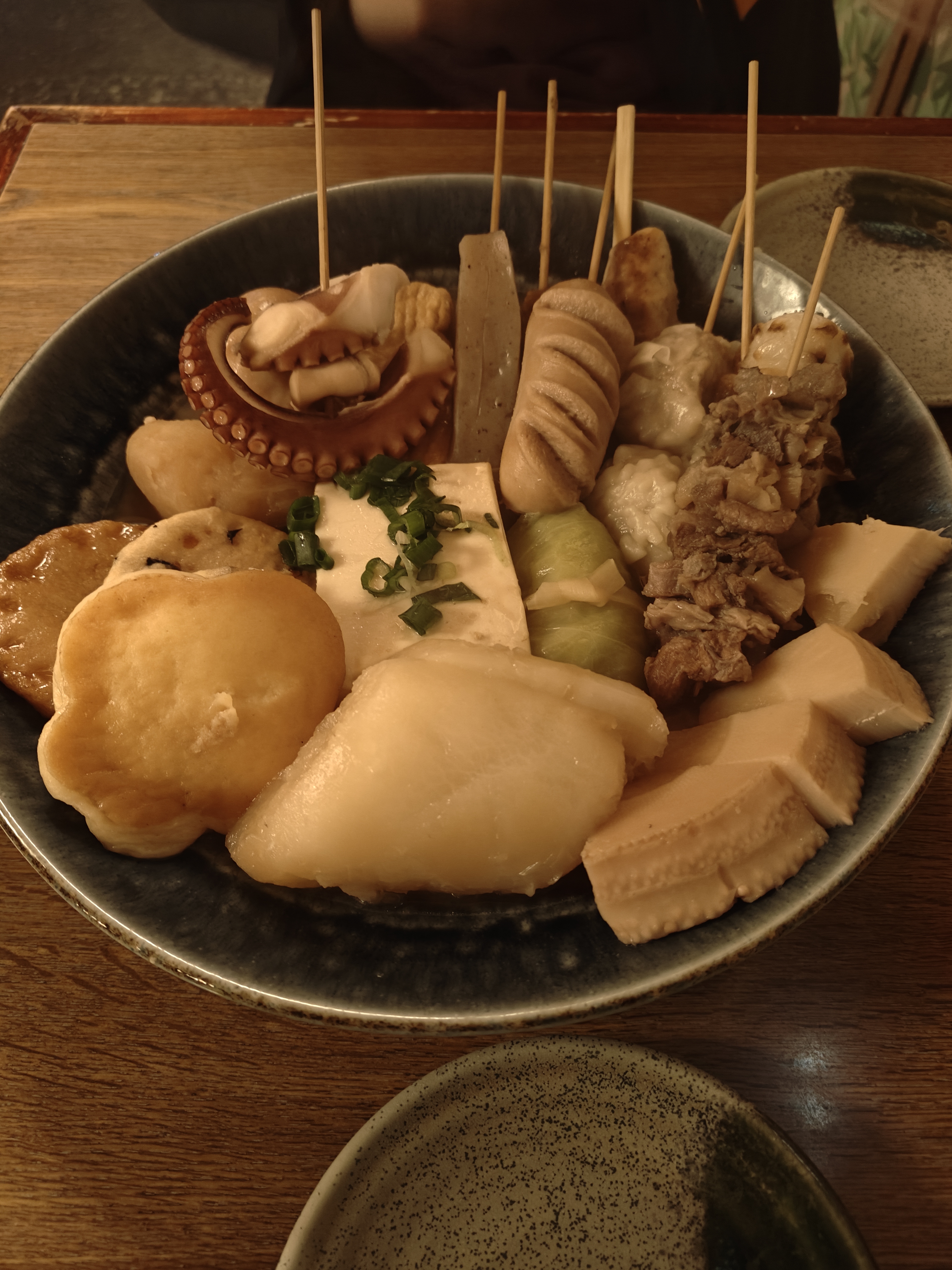
After descending, I hurried to Nakatanido to buy the famous matcha mochi, which only opened in the morning but wasn’t open when I passed earlier. In the evening, I went to Takenoya for oden. This shop is more famous than I thought, usually requiring reservations, but I was lucky to get a seat without one. The menu was hard to understand, so I ordered everything from the bottom row—somewhat expensive, but the taste was okay, decent overall. Before returning to the hotel, I bought some rice balls with tofu skin, salmon, and a Tianjin rice bowl at Lawson. The instant Tianjin rice was terrible.
Day 7 - Kyoto
The original plan was to visit Fushimi Inari Taisha in the morning, then go to Uji in the afternoon, buy souvenirs, enjoy matcha afternoon tea, and admire the Uji River. But halfway through, I felt unwell, so after visiting Fushimi Inari, I parted ways with my friend and took the Kintetsu Line back to Nara.
Taking the JR Nara Line to Inari Station, I finally saw the sacred place in the anime—Fushimi Inari Taisha! When I arrived at the main hall, a ceremony was happening—I didn’t know what it was, but it looked very solemn and sacred.
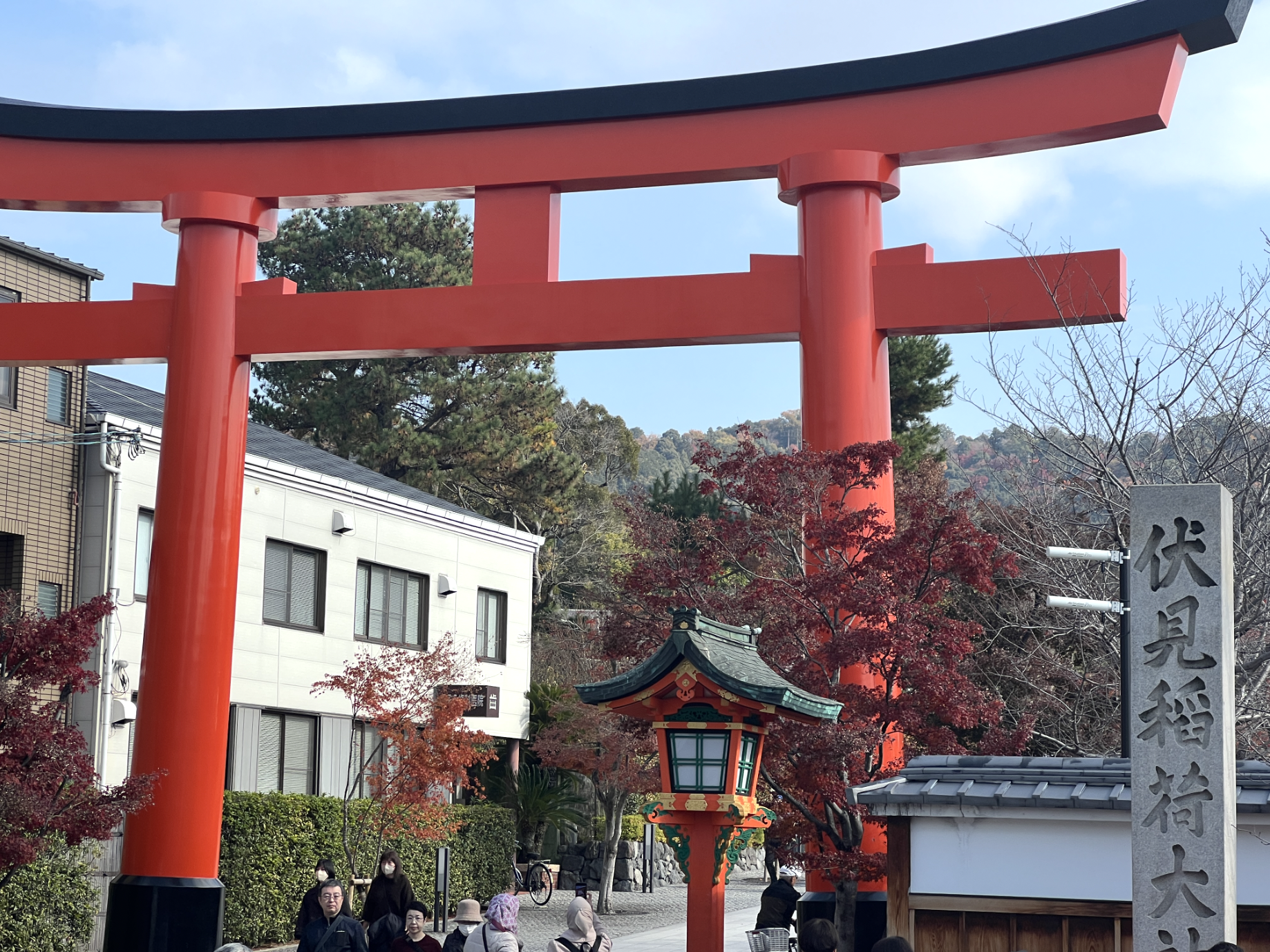
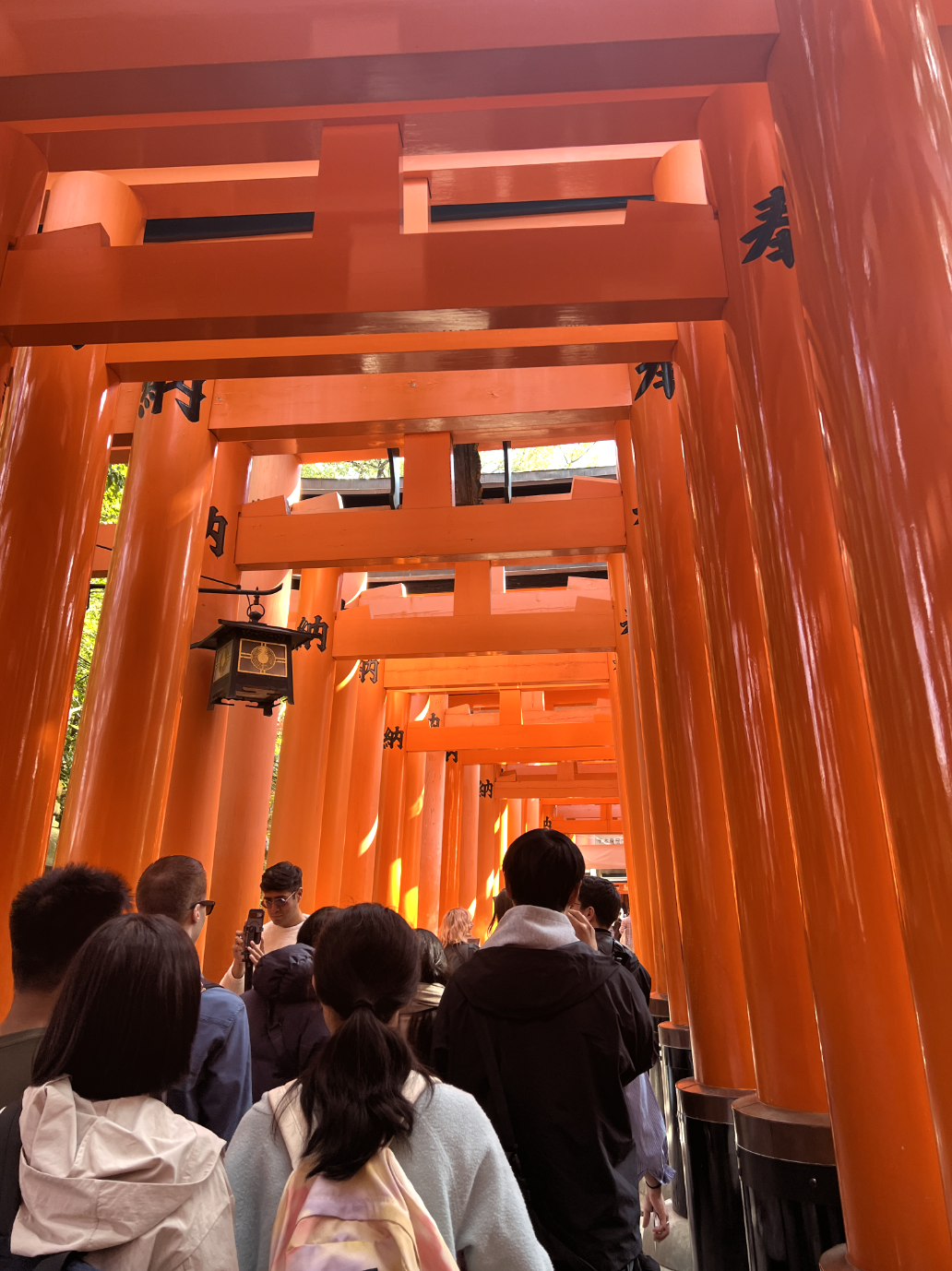
Fushimi Inari Taisha is the head shrine of over 30,000 Inari shrines, located at the foot of Mount Inari. Naturally, I had to climb the mountain again—so tiring! But I really admire how people built so many torii gates on the mountain.
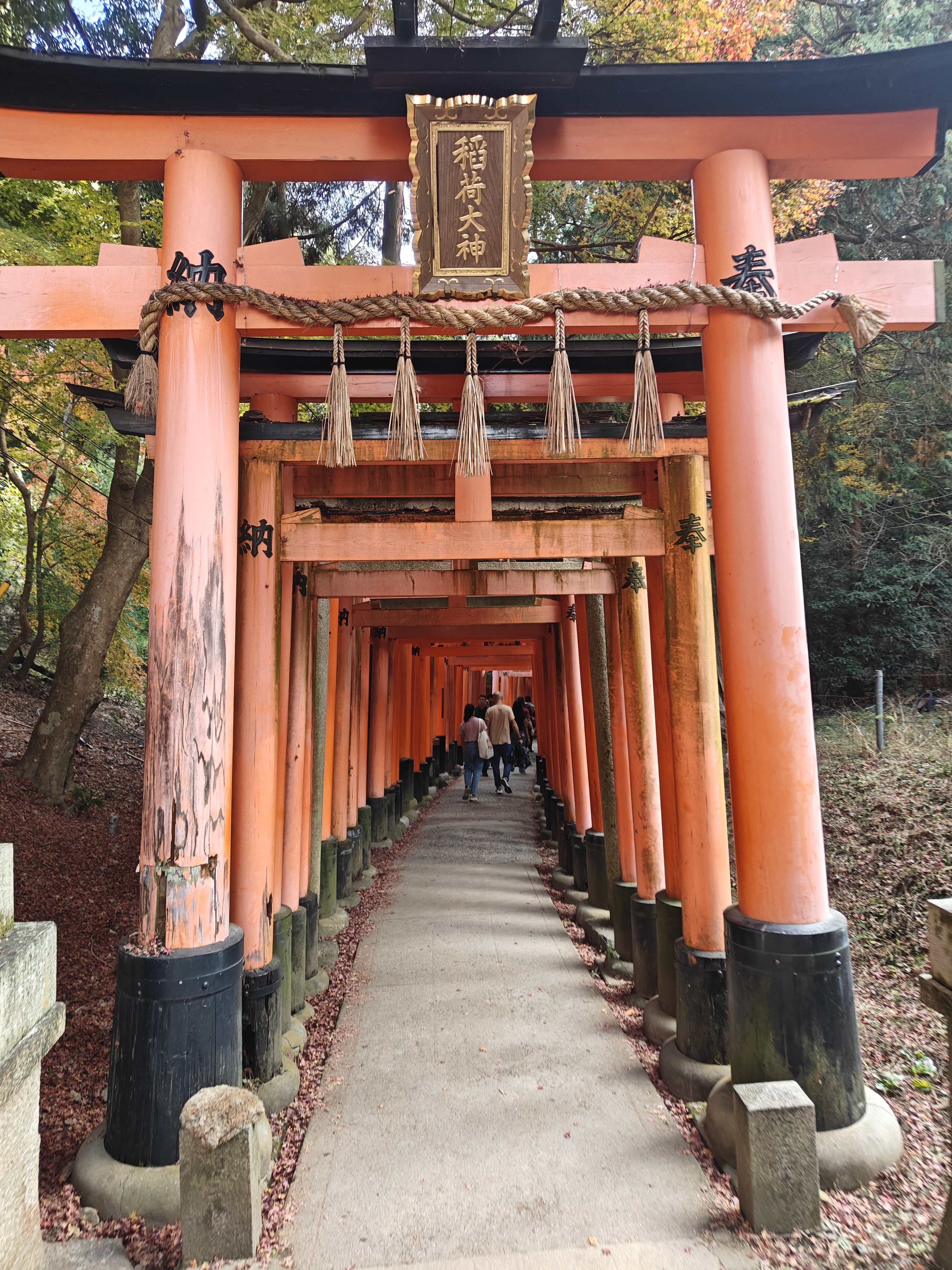
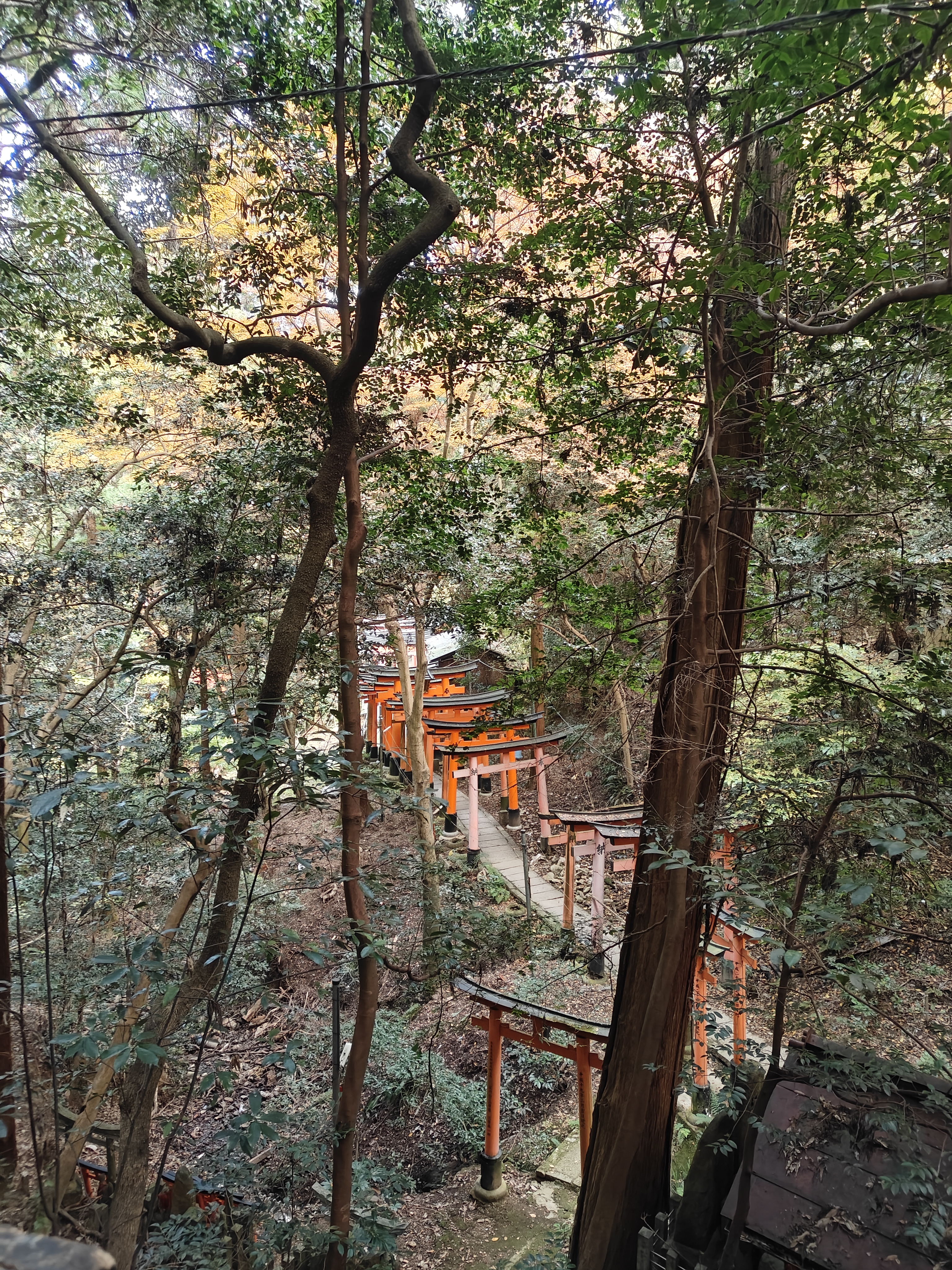
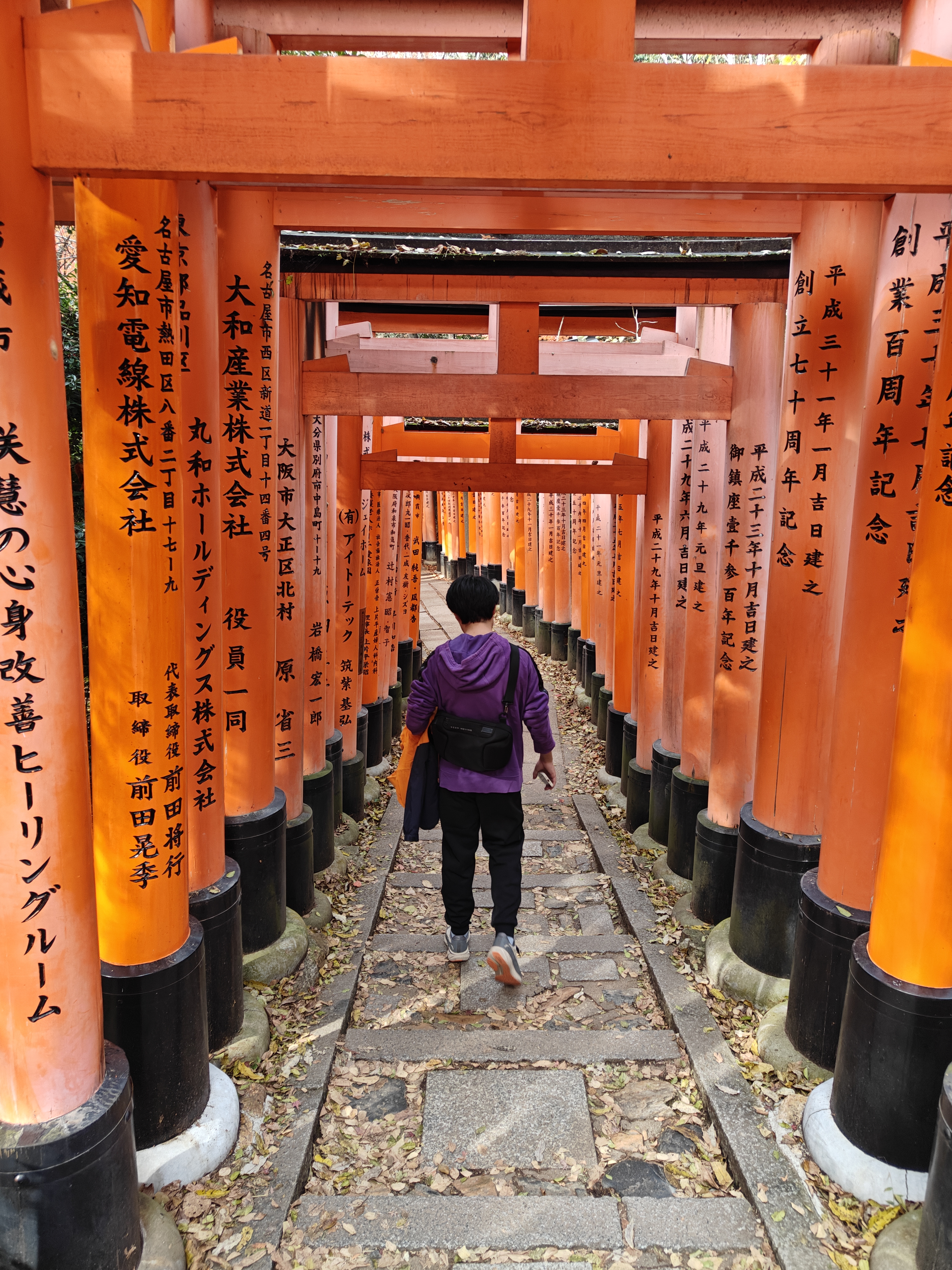
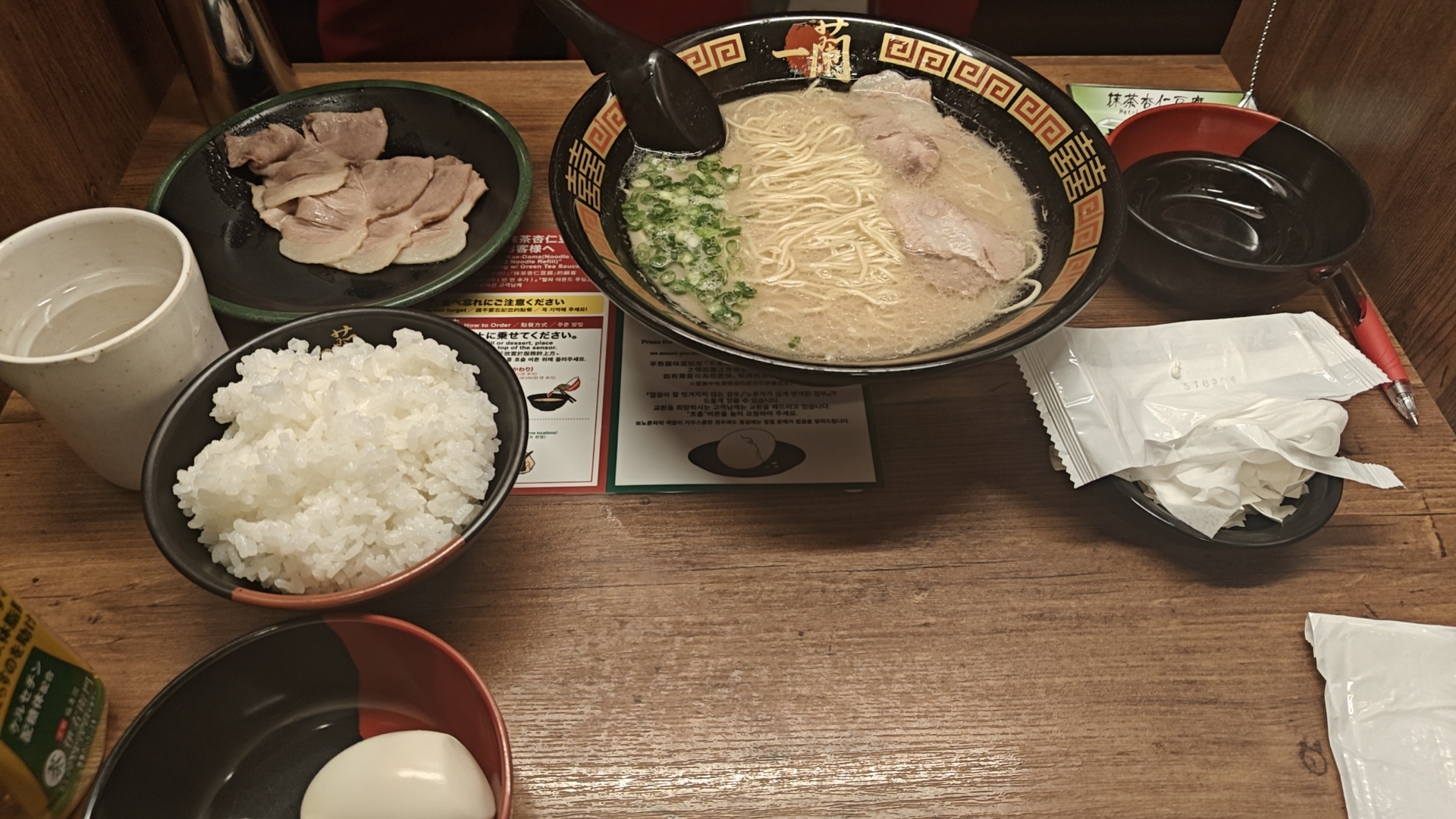
Descending from Inari Mountain, I already felt some discomfort. In the afternoon, I probably didn’t have the energy to explore Uji, so I bought souvenirs at Kyoto Station’s PLUSTA (note: this shop is not tax-free). Then, I went to Ichiran Ramen (Ukyō Branch) for another bowl before heading back to Nara.
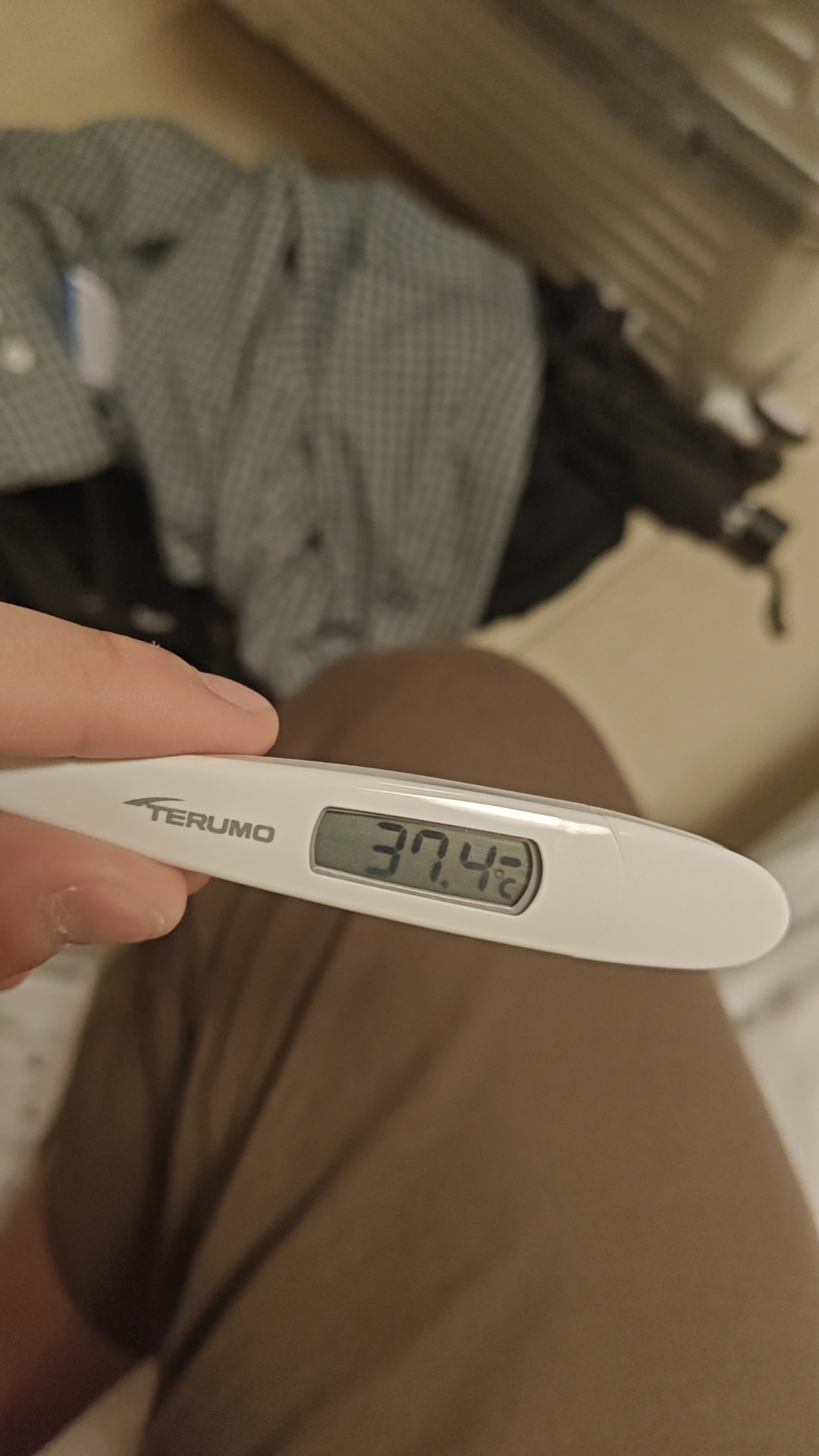
Worried about developing a high fever the next day and missing the flight, I bought a digital thermometer (around 2700 yen, with a drop of blood). Should have brought it with my carry-on—thought I wouldn’t need it.
Day 8 - Osaka
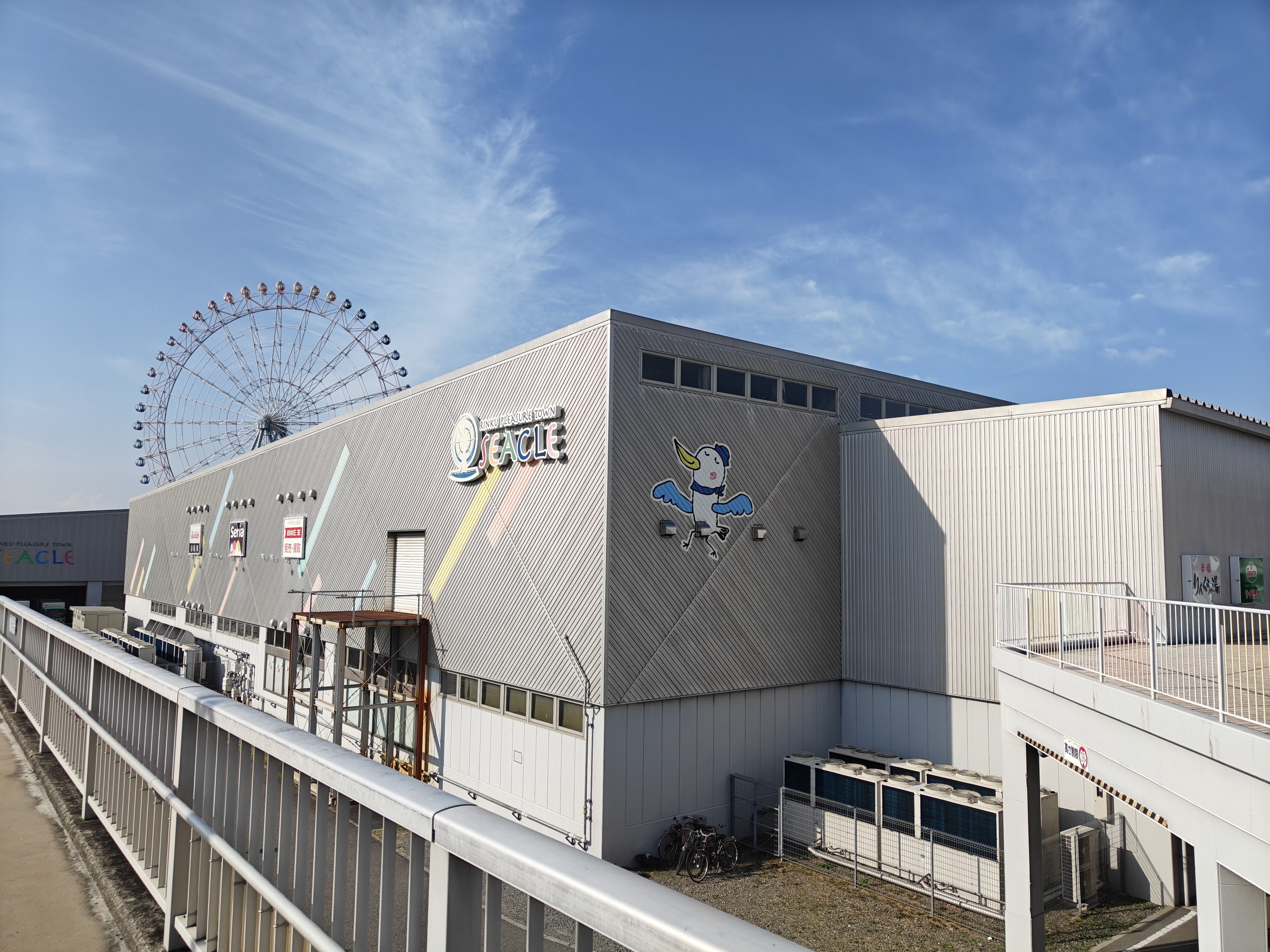
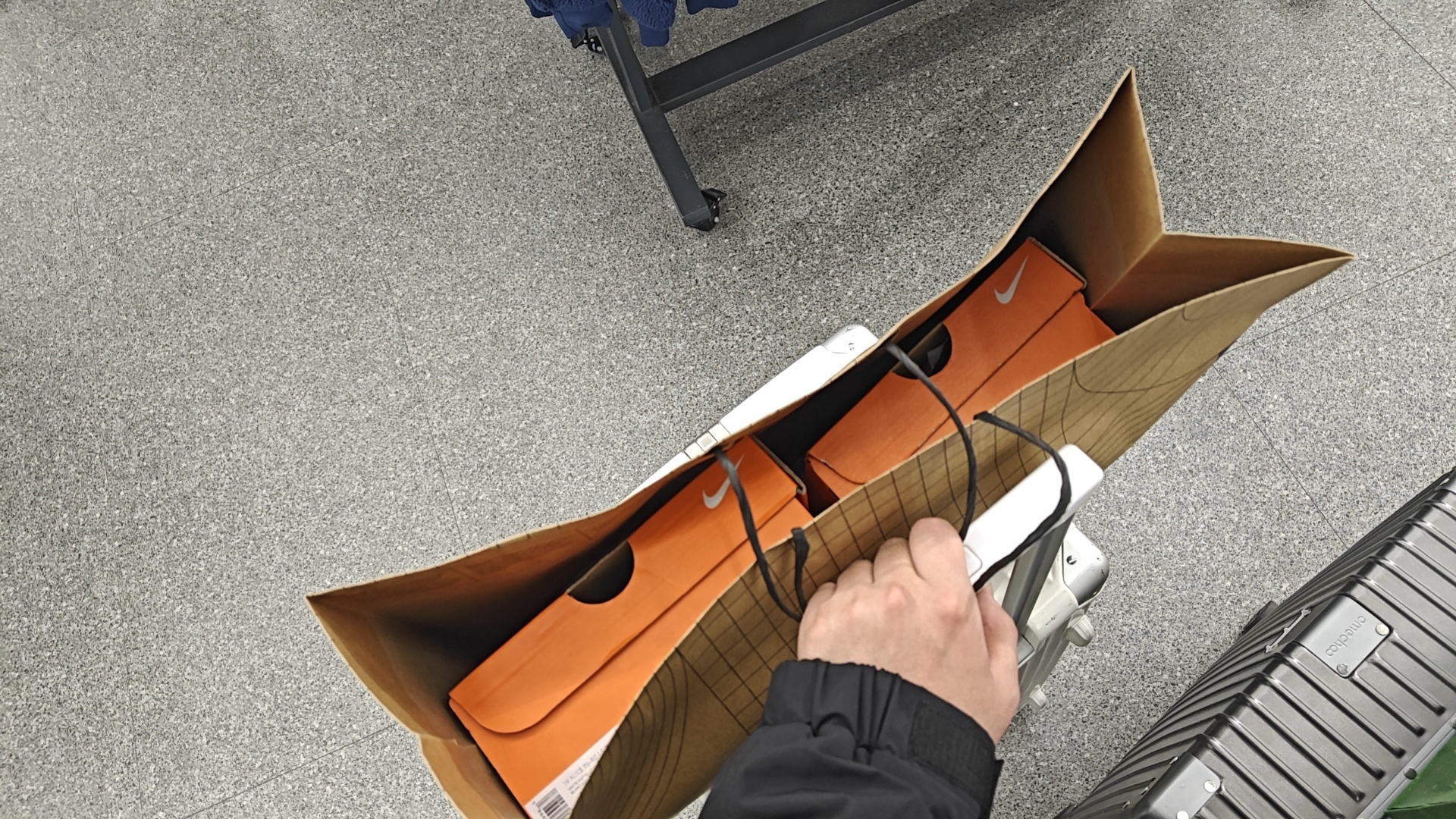
Travel day! After checking out, we carried our luggage and took the Yamato route / Osaka Loop Line to Shin-Imamiya, then transferred to the Nankai Line towards Kansai Airport. The flight was at 2 p.m., so we planned to get off at Rinku Town and visit the outlet mall. Although most sports brands here are not tax-free, prices are very favorable compared to China, so I bought a few pairs as souvenirs. Limited time, so no leisurely visit to Rinku’s Shirayuki Beach—had to rush to the airport.
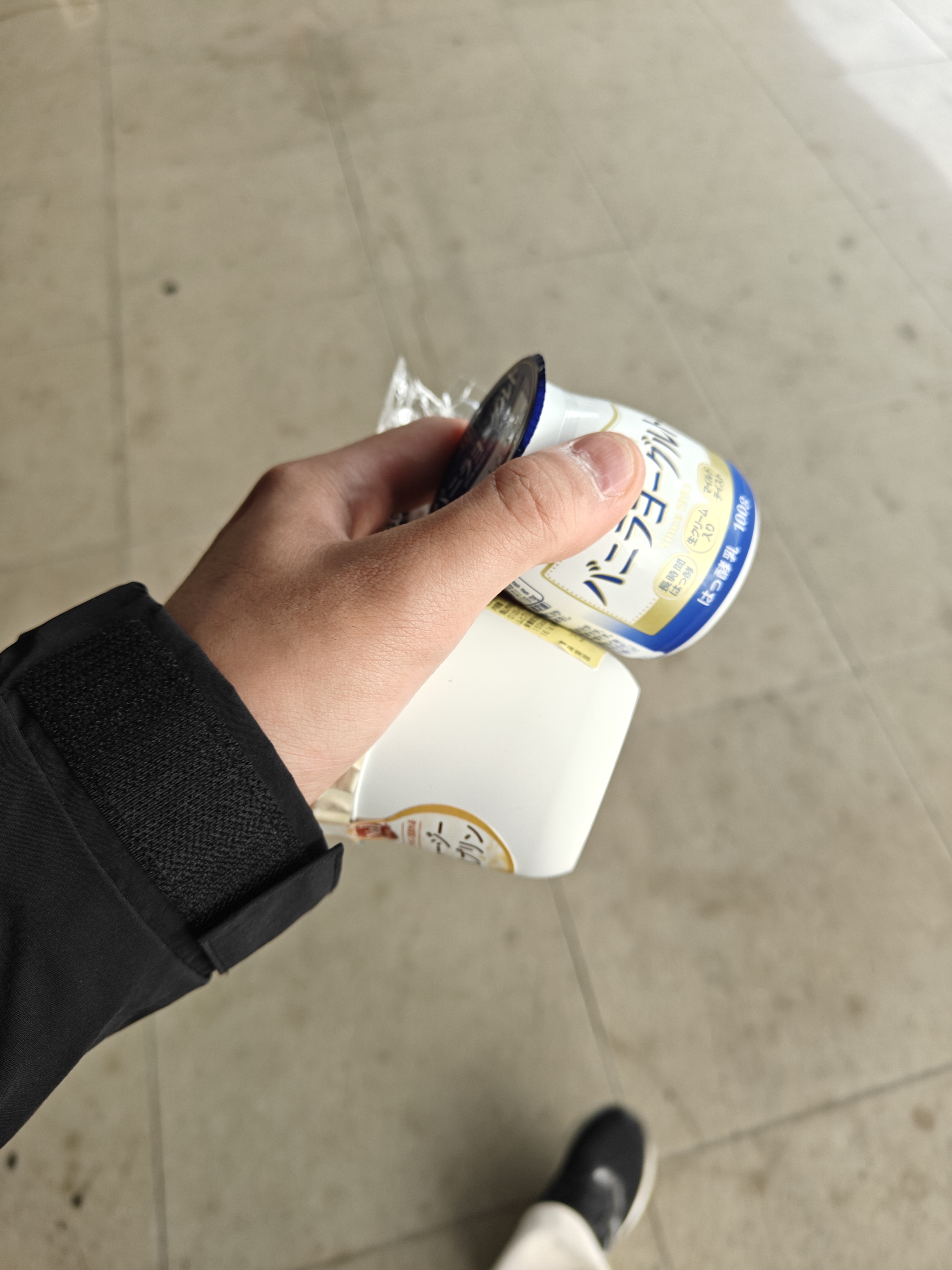
Finally, bought a very delicious pudding from 7-Eleven at the airport to bring back for my sister. Perfect ending to the Kansai trip—
Epilogue
So tired! Sorting photos, reminiscing about the trip, and writing this blog took several days. This Kansai trip was truly enjoyable. During the journey, I recorded many first-person footage (about 200GB) with Action cameras. When I have time, I’ll select and organize them to upload in a suitable way.
Main shooting devices: OnePlus Ace 3, DJI Action 5 Pro
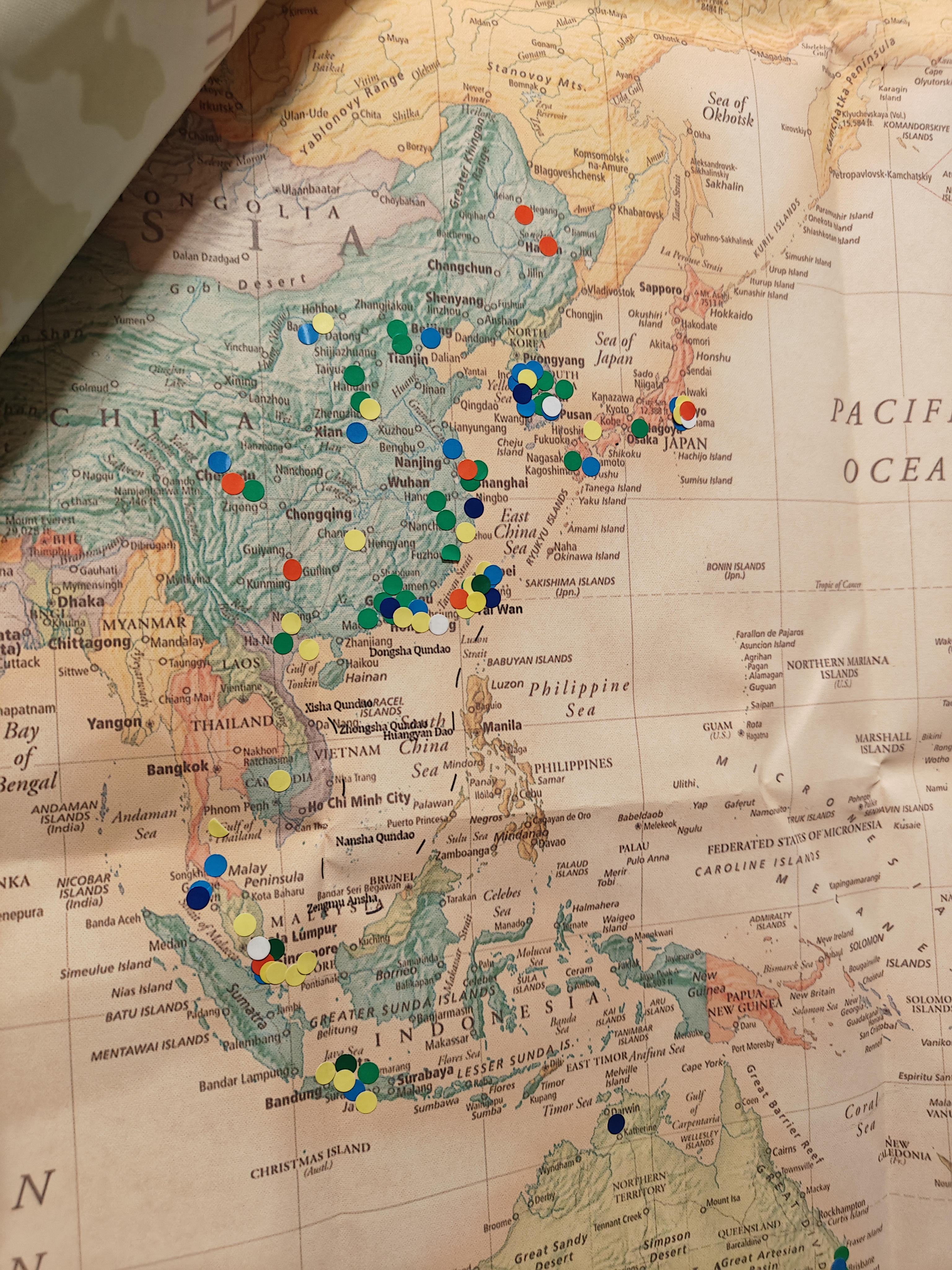
Travel planning map: Google Map - Kansai (the planning map made before the trip, marking planned or potential destinations)